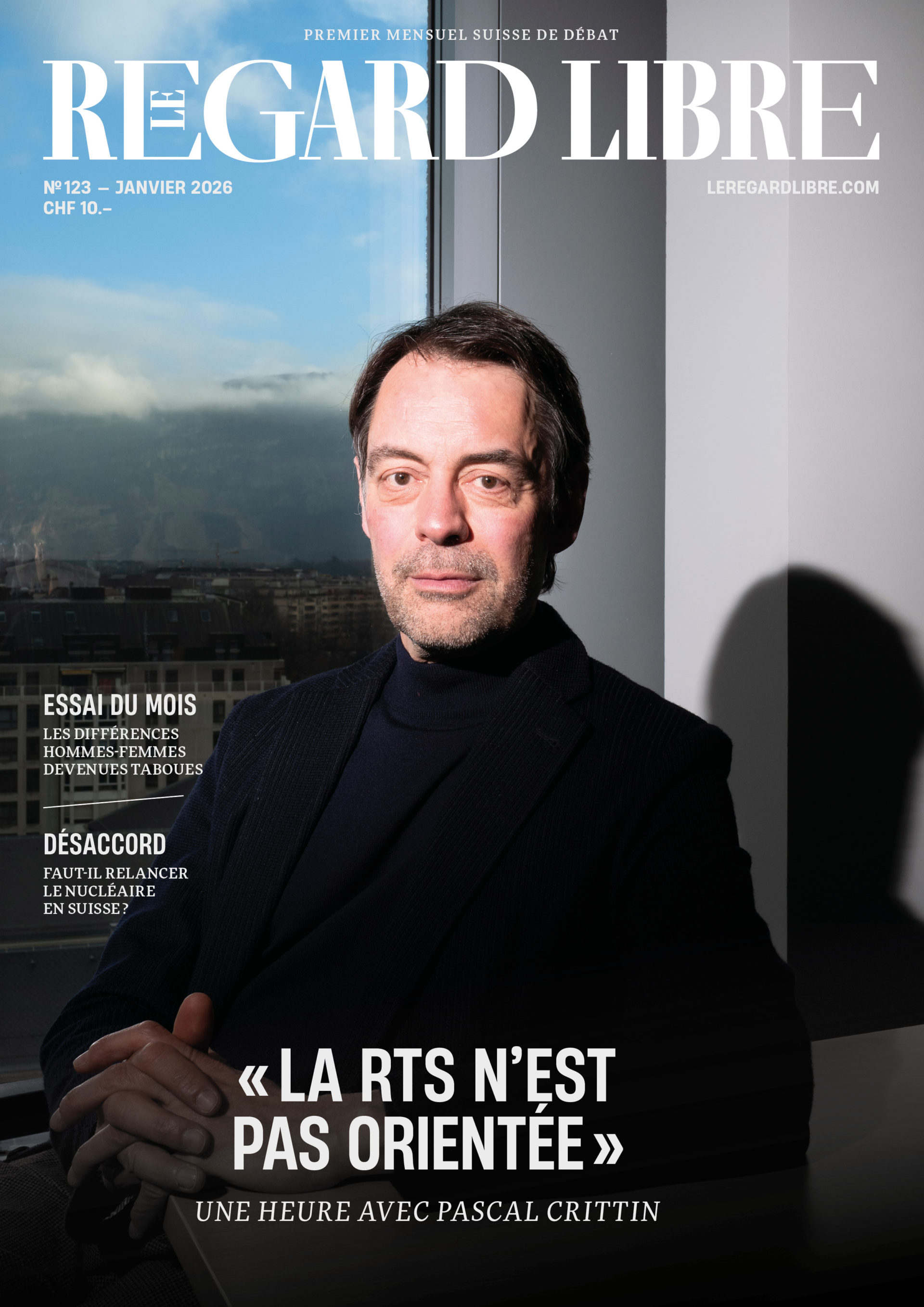




«Beauty and the Beast» or innocent militancy
Cinema Wednesdays - Loris S. Musumeci
«Can we ever find happiness without freedom?»
Once upon a time, in a noble region of France, there lived a young prince who lived on excess and revelry. One evening, an old woman came to his door seeking shelter for the night. She offered him a rose for his hospitality, but the prince, selfish and cantankerous, mockingly refused her. The poor lady warned the handsome boy not to be fooled by appearances, only to be rebuffed again. She was transformed from an ugly woman into a fairy bathed in light. On his knees, the prince tried to find forgiveness. All in vain. But it was too late. The castle sank under a terrible spell, leaving its servants as animated objects and the prince as a monstrous creature.
Only the mutual love of woman and beast could break the spell before the magic rose wilted. Otherwise, the victims of the spell would be doomed forever. Time passed, and the cursed prince grew ever more desperate, for «who could ever learn to love a beast?»
What child of the Disney generation wasn't filled with awe and passion at this delightful prologue? Beauty and the Beast. The tale remains the same as that of the 1991 animated film of the same name. Belle's father has fallen incongruously into the clutches of the Beast during a business trip. Out of love for her ailing elder, Belle offers herself up as a prisoner of the castle in his stead. A difficult and unusual cohabitation between a young dreamer thirsting for freedom and a creature damned by its former wickedness.
Bill Condon's latest directorial effort hardly deserves to be called an interpretation, so much so does it apply a «copy-paste» process to its big sister, the fruit of the same successful company. The omnipresent music remains the same, the dialogues vary little by little, and so do the choreographies. And even when we go from Disney's pen-and-paper drawings to the flesh-and-blood acting, the changes are of little consequence. The fantasy genre sums up the use of special effects, which are now only born of digital technology. Computers have done most of the work; it's a habit at the service of an image verging on the real.
There are, however, some minor additions to the original plot. We know a lot more about the genealogy of the two protagonists: one lost her mother as a child, the other had a cruel king for a father. Family psychology therapy oblige! The spatio-temporal setting is also well established: 18th-century France.ème. It may seem trivial to say, but such a context makes for some clumsy filmmaking. Undoubtedly deliberate, and rather comical at Condon's expense.
When one of the very first scenes opens, the spectator finds himself in the joyous ballroom: make-up à la Louis XIV, gowns that couldn't be more pompous, breathtaking scenery. What really catches the astonished eye is the singer hosting the party: she's black. Not to be racist, far from it, but were there many black women at court in the 18th century?ème century? Of course, this element doesn't detract from the story. Except that it is repeated for several characters: the priest of Villeneuve, the small village where Belle and her father live, is also very dark-skinned for a European. Diversity? A lesson in tolerance? Who knows? In any case, the point didn't provoke controversy. Happily.
However, the press was full of praise for LeFou's (Josh Gad) homosexuality. Unheard of at Disney, they say. While this led to censorship or an increase in the film's recommended age in a few countries, LGBT advocates were delighted. From the «chouchou» the character throws at Gaston, whom he assists, to the male arms he falls into lovingly at the end of the film, the activism could have afforded a little more if it really wanted to give something to react to. Also, one of the villagers finally feels free when he dresses as a girl in a short sequence close to the conclusion.
The process almost goes beyond the thick borders of the artificial. It's good to have a mission when you're an artist, but it's better not to have one if it's going to look like a hair on your head. In the end, it's all quite innocent.
Still, one side of the director's commitment worked well. This is Belle's feminism. More present than in the cartoon, it takes on an interesting dimension insofar as it accompanies the heroine throughout her journey. And the performance of the sublime Emma Watson, more beautiful than ever in her role, can only help.
Set design, Beauty and the Beast gives himself a whimsical Burton look that suits him. The music, simply enchanting, also suits the story. Alan Menken deservedly won Oscars for best composition and best original song.
All in all, despite all the polemics and pointless exaltations, the film is a real crowd-pleaser. Girls accompanied by mom or dad already see themselves as princesses - but feminists to boot: thank you, Emma! - and the old boys are still hoping to find a Belle.
«Who could ever learn to love a beast?»
Write to the author : loris.musumeci@leregardlibre.com
Photo credit: © fr.web.img6.acsta.net
Vous aimerez aussi

 French
  German
  English
Laisser un commentaire