






«La Maison»: in the Netflix ocean, art is lost pearls
Cinema Wednesdays - Jordi Gabioud
La Maison, new an animated film from the talents of Nexus Studios, was released in the silence that accompanies most Netflix productions. This silence generally testifies to the lukewarm nature of these works, whose primary aim is to boost the platform's catalog figures. With La Maison, we must announce it immediately: this silence is a lie! Immerse yourself in this disturbing comic-horrific triptych and let its strange aesthetics haunt your mind.
2018 saw the publication of Netflix, behind the scenes of a (r)evolution by journalist Capucine Cousin, in which she drew a telling picture of the giant with feet of clay. Indeed, while Netflix remains the leading streaming platform, competition is beginning to make itself felt. Franchise hosting will become increasingly difficult to negotiate as contracts come to an end and each production company is able to reclaim its assets. Netflix's youth is then its main handicap: a limited infrastructure, a less established situation and, above all, a very limited catalog that needs to be developed. It is against this backdrop of various buyouts and productions that Netflix maintains its momentum. And while it often feels like a bit of a filler, a few discreet gems sometimes emerge from this policy. La Maison is this pearl.
With or without children, the house is a tomb
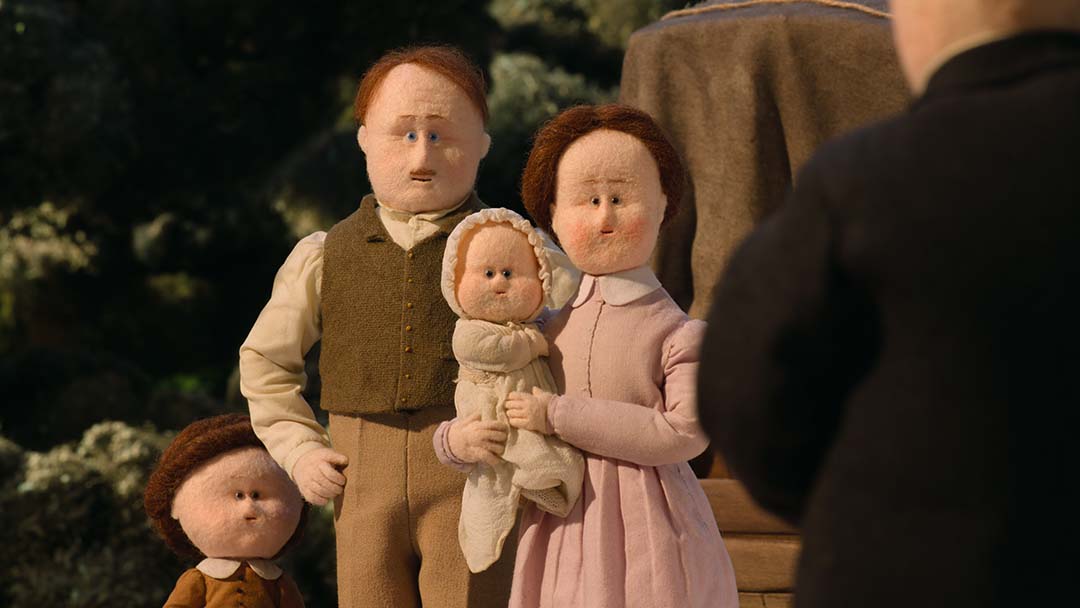
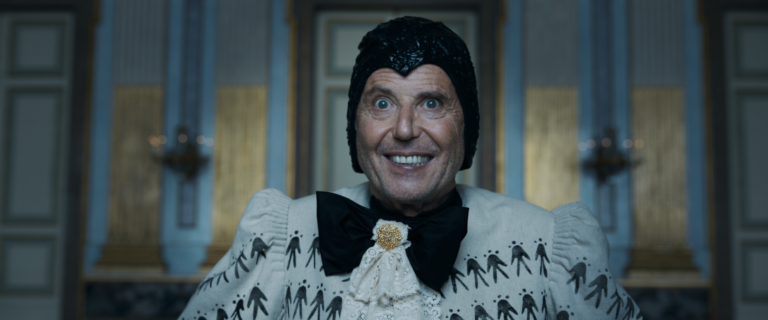
La Maison is an animated triptych developed around the eponymous theme. The first part tells the story of a poor family who, after making a pact with a strange architect, find themselves moving into a labyrinthine house that develops a strange fascination for the new arrivals. The second follows an anthropomorphic rat looking to resell a property, but struggling to do so against an incessant invasion of insects that soon becomes an invasion of shameless visitors. The last tells the story of an owner desperately trying to revive the attractiveness of her home, the last submerged island in a terrible flood.
Read also | The GrudgeWhat's the point of horror movies?
As we all know, the home is the ultimate place of protection. Modern American horror has had fun contaminating this last bastion. This is the driving force behind the oppressive atmosphere in each of the three parts of our film. The first takes a sympathetic role-reversal approach to the home: it's no longer the family that organizes its habitat according to its tastes, but the house itself that shapes the family according to its will. The second, and most stunning part, mixes Kafka with the «Home Invasion» genre. Here, the protective house is taken over, only to be slowly ransacked by its visitors, who literally become parasites. Finally, the concluding section continues the destruction of the house until it imposes a definitive choice on its owner: leave it or decay with it. Each story approaches the subject from a different angle, but always with the filter of the uncanny, a term that, here, will not be overused.
Engraving the unconscious image by image
In addition to the theme, the three works are united by the homogeneity of their excellent soundtracks and undeniable visual qualities. In fact, it's hard to fault the digital sets when the characters are animated in stop-motion: the facticity being assumed, we enjoy contemplating the result of a very successful marriage. In this respect, the first part is the most striking. Featuring cotton dolls, it conjures up a childlike imagination intertwined with a strangeness that gradually mutates into anguish. Like the dolls they are, our characters find themselves increasingly manipulated by this mysterious architect, who has the good taste to remain invisible until the end (and perhaps he should have remained so).
The iconography deployed over the course of an hour and a half does not fail to engrave a few disturbing and poetic images in our memory. And of the project's few shortcomings, this is perhaps its main one: technical demonstration can sometimes take precedence over narrative interest. This is particularly true of the third installment, which is certainly visually pleasing, but loses itself in a classicism made all the more glaring when compared to what came before. It would also have been possible to better link these three stories around one and the same dwelling through three different eras, as the synopsis nevertheless sells. This would have lessened the sensation of witnessing, at times, less a film than a talent mock-up.
But it would be a shame to miss out on so much fun for so little! La Maison takes great care to extirpate your anxieties and carry you away in his universe, which is dark without being heavy, offbeat without being confusing. Three strange stories cohabit under the same roof and, like his cotton dolls, will fascinate you enough to take great pleasure in being manhandled.
Write to the author: jordi.gabioud@leregardlibre.com


Vous aimerez aussi


 French
  German
  English
Laisser un commentaire