




«Le cœur en braille» or the end-of-year failure
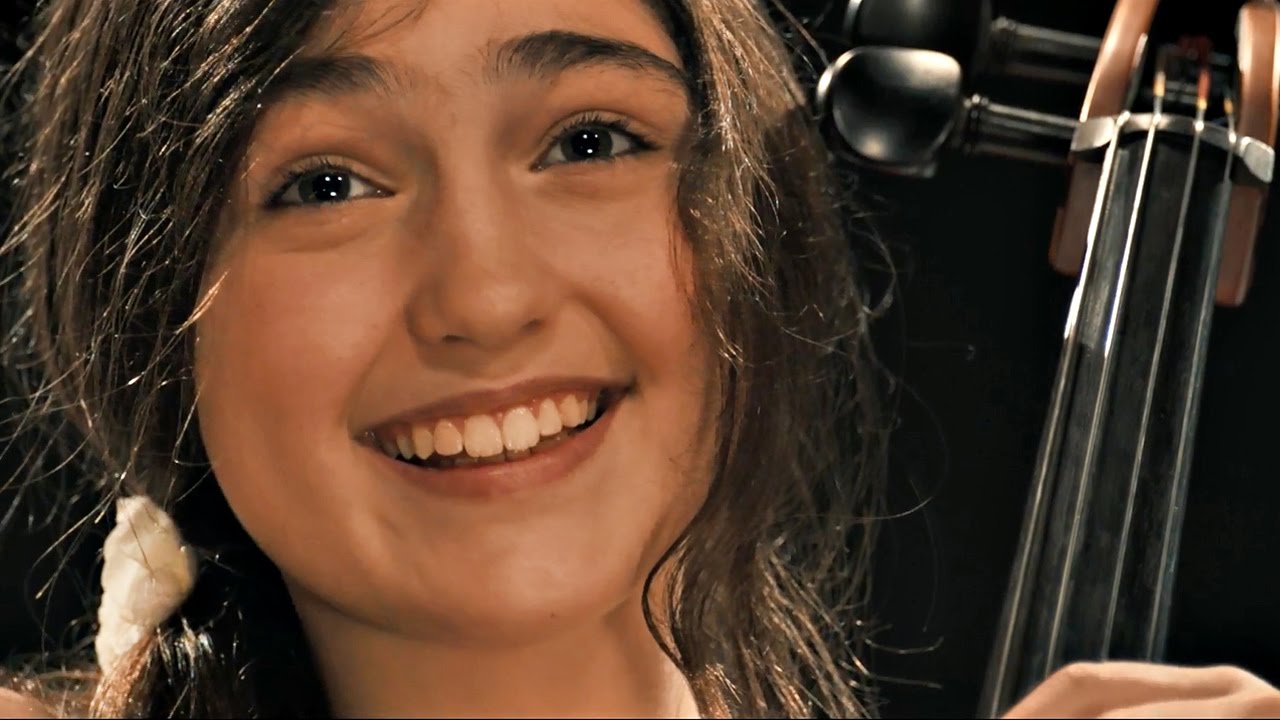
Alix Vaillot as Marie
Marie (played by Alix Vaillot) is a young girl suffering from an eye disease that is gradually causing her to lose her sight. Victor (played by Jean-Stan du Pac), a classmate, is in love with her, even if he's slow to admit it. He doesn't have a problem with his eyesight, but rather suffers from his inability to get good grades. Victor and Marie begin a friendship, then a love affair, with her tutoring him and him helping her to hide her illness so that she can take part in the competition she's been dreaming of: a cello audition.
The story promises to be gripping, and is based on a novel. But the film, which has been on our screens since today, has so many flaws that it's heartbreaking. The direction is flawed, and that's something we can all agree on. Le Monde, Télérama and most other media, to which can be added Le Regard Libre.
First of all, the film's antagonisms are far too pronounced: a rich, intelligent girl falls in love with a poor dunce. Michel Boujenah's work also focuses too much on children and their innocence. All the adults, except perhaps the ophthalmologist, come across as uninteresting people who don't understand «real life»: music and love. Marie's father, played by Charles Berling, is the prototype of these imbecilic adults. Despite these questionable artistic choices, the film could have met the requirements of contemporary cinephiles...
Yes, but... Whether we look at the screenplay or the music, whether we consider the drama of the film or the performance of the actors, we have to admit that we're dealing with pure insipidity. The melodies? Sweet, not gentle. The dialogue? Simple, not simple. The acting? Over-acted, not over-talented. It all seems to add up to a kind of French comedy-drama complacency, as if the genre could stand on its own two feet and never question itself.
The result is a disappointment, for the simple reason that the themes addressed (progressive blindness, friendship, first love) are highly fascinating subjects that could be explored in a thousand and one artistic ways. Instead of exploring the relationship between blindness and music, for example, the film consists of platitudes such as: «You can tell a woman is in love by the look in her eyes». However, the very end saves what remains to be saved: The heart in braille holds a final scene, a real one, that moves and grips. All in all, it's an avoidable film.
Write to the author: jonas.follonier@leregardlibre.com

You'll also like


 French
  German
  English
Leave a comment