




Richard Jewell: Clint Eastwood's new fat hero
Cinema Wednesdays - Antoine Bernhard
Age seems to have no effect on him. Clint Eastwood returns again and again with his traditional annual film. This time, he focuses on the story of Richard Jewell. An unremarkable man, the archetypal fallen hero, cast into Hell by an unscrupulous media-political machine. Clint Eastwood says: «Richard Jewell's story interested me because he was a normal, everyday man. He was never prosecuted, but he was widely persecuted.»
Read also: With The Mule, Clint Eastwood has nothing left to prove
To get to grips with the film, it's worth looking at the protagonist's intriguing personality. A former member of the forces, Richard Jewell is intellectually somewhat limited. He's driven by an unfailing goodwill that unfortunately leads him into sometimes bizarre attitudes in his quest to regain a role in law enforcement. With his innocent naiveté, he embodies the infantile figure par excellence: one who dreams of becoming a policeman, but whose tragic overzealousness fuels the FBI's suspicions.
Heroes of a moment
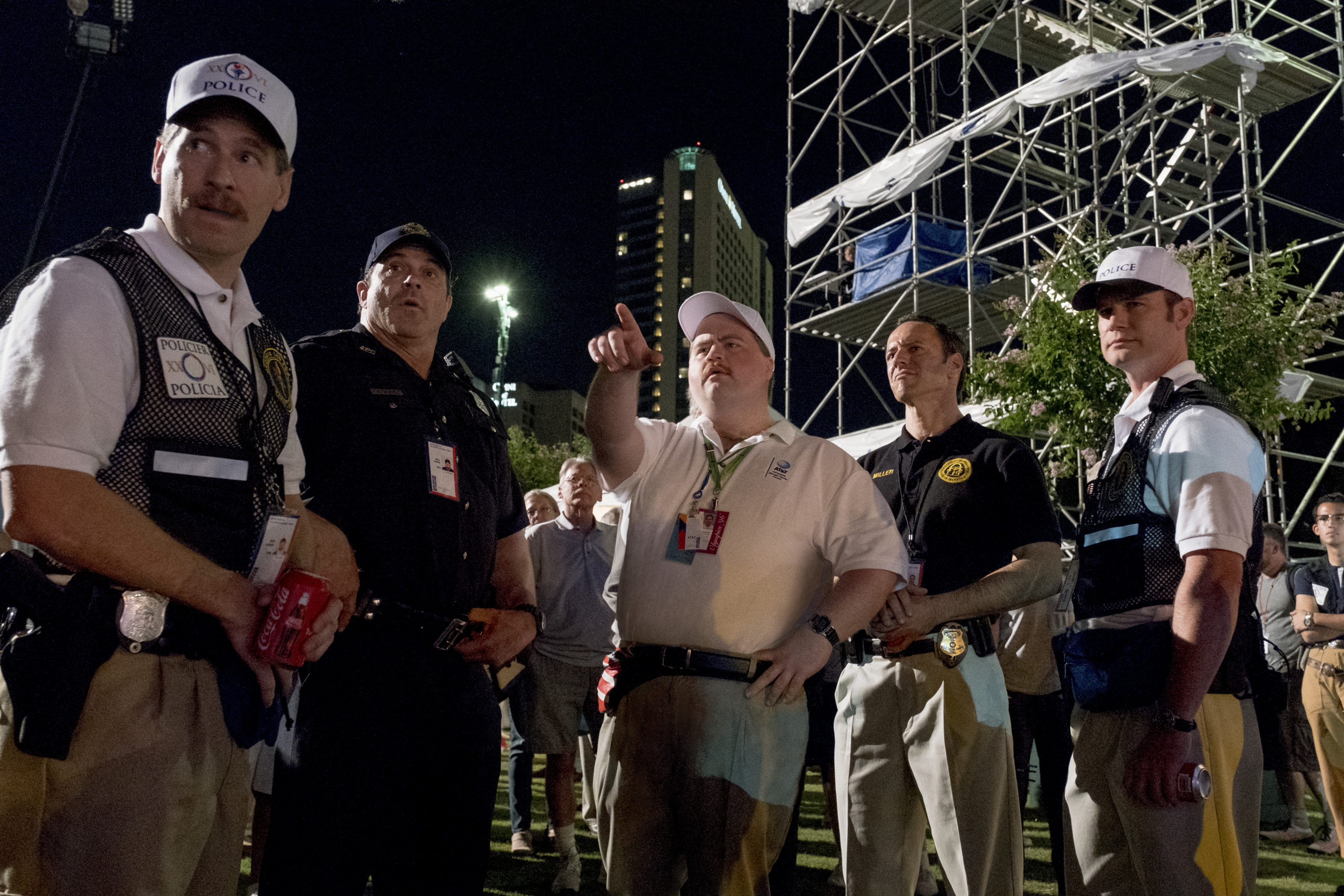
July 27, 1996. A homemade bomb explodes in the Olympic Park at the Atlanta Games. The park was under heavy police surveillance. The explosion injured a hundred people and killed two. The blast should have killed many more, but an ordinary security guard spotted a suspicious bag and raised the alarm in time. The evacuation had already begun. Who was this unknown security guard? At first, he remained anonymous. But the media soon discovered his identity: Richard Jewell.
He is celebrated as a savior, a hero. The FBI investigation is bogged down, and a culprit is needed. Jewell is suspected. In spite of himself, he fits the perfect profile of the recognition-seeking bomber - just like the pyromaniac firefighter. Information leaks out. The press seizes on it. Jewell becomes public enemy number one. He is watched, lynched, harassed; his life becomes a living hell. He is cleared eighty-eight days later, for lack of evidence.
Clint Eastwood directs this new biopic with great finesse. The historical reality of the Jewell case and the fiction are harmoniously interwoven. The pacing and cinematography are remarkable. Despite the film's two-hour running time and a few clumsinesses, the director once again illustrates his total mastery of the seventh art, and signs off with an interesting film from start to finish. Of particular note is the soundtrack by Arturo Sandoval - a famous trumpeter - which even provides an excuse not to leave the theater before the end credits roll.
The media in question
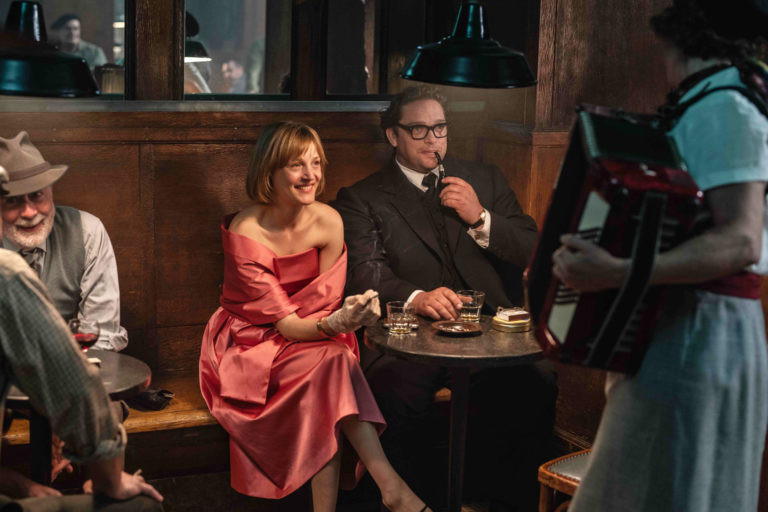
Could it simply be a film? American-style? The story of a «good guy» facing his «evil» tormentors? Certainly not. More than a simple narrative, Clint Eastwood ferociously denounces the media, which is at the root of the colossal scope of the Jewell affair. Of particular note is the almost cartoonish presence of Kathy Scruggs, a journalist willing to sell her body for a scoop.
The media wield immense power. The Jewell affair shows how they can shape reality at will. How destructive the almost bloodthirsty greed of journalists can be. How the desire to make a splash - and consequently to make money - ravages everything in its path, ignoring respect or human dignity. This is because the media lack the courage to rise above the vile needs of the crowd who, to quench their frenzied thirst for catharsis, are constantly looking for their heroes or anti-heroes, to revere or to tear to shreds.
So the question arises. What is the role of the media? What do they do with their immense power? Can the press be content with a purgative role, according to fashions and trends? This question is more topical than ever...
Write to the author: antoine.bernhard@leregardlibre.com
Photo credit: © Warner Bros Entertainment

You'll also like


 French
  German
  English
Leave a comment