China, Taiwan, the New World Order: «Le Grand Continent» urges readers to move beyond Western illusions and consider the balance of power.
Mark Lilla is considered one of the leading contemporary historians of ideas. From the rise of identity politics to the limits of rationalism, this American scholar has spent several decades examining the intellectual forces shaping the West.
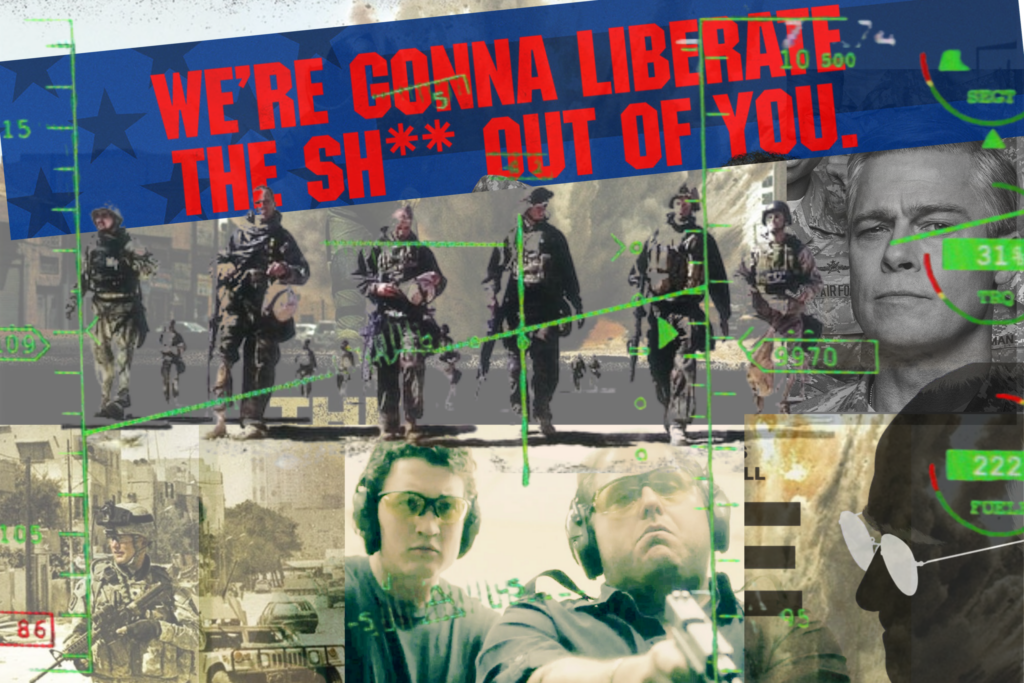
At a time when the U.S. military's «excursion» into Iran is making George W. Bush look like a lucid strategist, I can already see the next Hollywood political comedy.
In the shadow of Trumpism, an ideological nebula combining rejection of democracy and technological fascination is gaining visibility. In Les Lumières sombres, political scientist Arnaud Miranda deciphers this neo-reaction, still hazy but already influential.
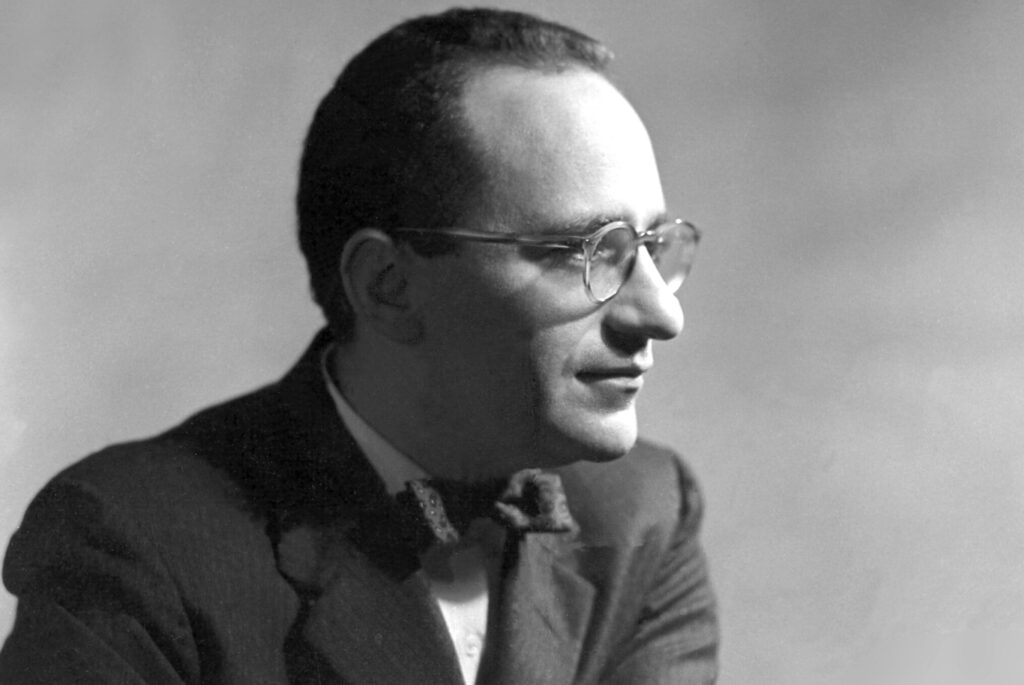
The American libertarian movement, led by Murray Rothbard, has moved away from dogmatic anti-statism to ally itself with the populist right. A trajectory that poses a central question for liberals: how far to ally oneself without denying oneself?
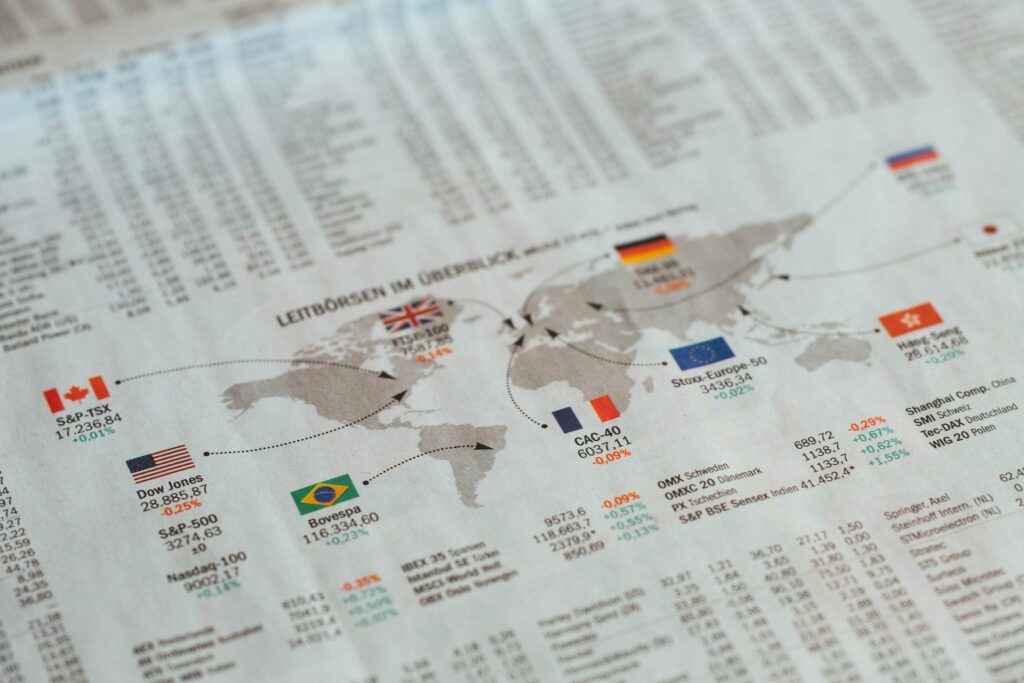
The intensification of trade after 1989 nurtured the idea of a world governed by cooperation. Today, geopolitical rivalries are overturning this belief and reshaping economic relations.
In his column, former Federal Councillor Pascal Couchepin shares a book that has left a lasting impression on him. This month, he explores the origins of the United States through Percival Everett's «James».
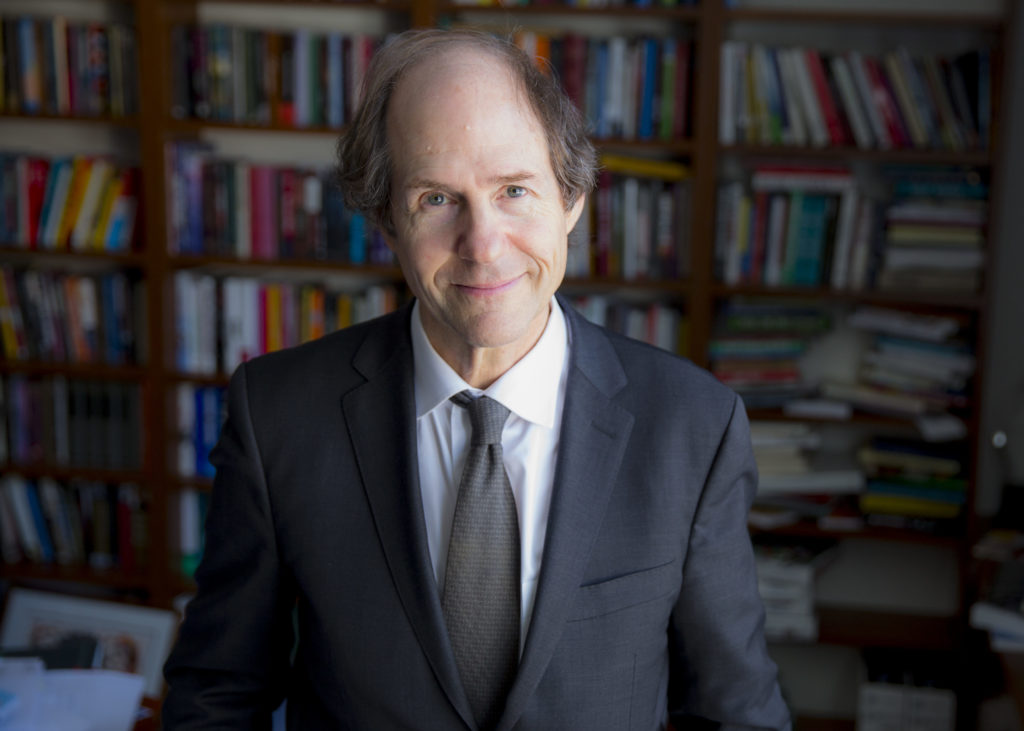
For many, liberalism remains a vague concept. In his new book, «On Liberalism», Cass Sunstein seeks to define it, while expressing his admiration for some of its most influential figures.
In Chicago, skyscrapers were born of an emergency: rebuilding after disaster and making every square meter a profitable investment. Today, Switzerland is facing its own housing crisis. Could the third-largest American metropolis serve as a model?




 French
 German
 English