




When the trees fall« depicts rural Ukraine»
Neuchâtel International Fantastic Film Festival (NIFFF) - Jonas Follonier
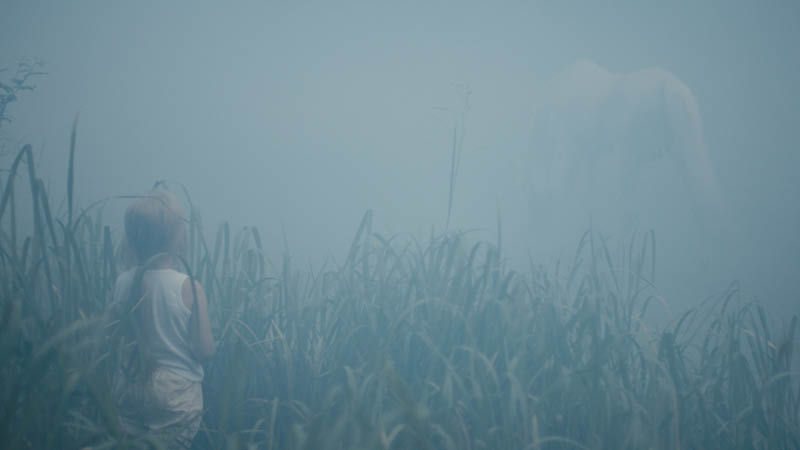
The film When the trees fall, presented in International Competition at NIFFF last week, opens in a forest, where we witness a love scene between Larysa, the main protagonist, and a thug she's fallen in love with. Larysa's cousin, a five-year-old girl, is left alone in the middle of the woods. Abandonment will be one of the film's central themes, if not the only one. the central theme. The context, meanwhile, is just as important: rural Ukraine, where it seems impossible for women to extricate themselves from their patriarchal daily lives.
The first feature film by Marysia Nikitiuk, who penned both the screenplay - which won the Best Eastern European Script award at Cannes in 2016 - and the direction, has the merit of showing this reality, of bringing this darkness to light. In fact, darkness and luminosity are an important part of the film's photography. Like the horse, which, like light, symbolizes freedom and emancipation. Darkness, on the other hand, accompanies authority, secrecy, rape, violence, crime and blood.
In spite of its melancholy realism, its social message, its blend of thriller and wonder, the tension it manages to convey and a convincing chase scene, When the trees fall is unlikely to be remembered. The reason? Its lack of rhythm, an easily avoidable plague that is becoming increasingly prevalent in contemporary auteur cinema. It's not enough to offer interesting content; you also have to ensure that the viewer doesn't yawn and endure so much unhappiness, ugliness and tears presented on screen.
[table id=27 /]
Write to the author : jonas.follonier@leregardlibre.com
Photo credit: © NIFFF

You'll also like





 French
  German
  English
Leave a comment