




«Silence»

Cinema Wednesdays - Loris S. Musumeci
«Spit on that cross and say your so-called Virgin Mary is a whore.»
1633. Pax Christi. Father Ferreira (Liam Neeson) is said to have apostasized. The young Jesuits, Rodrigues (Andrew Garfield) and Garupe (Adam Driver), can't accept it. How could their mentor, off to evangelize Japan, renounce his faith? It's time to go to the rescue.
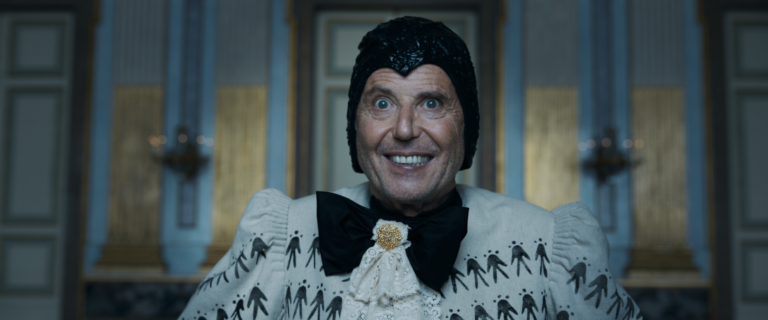
The two neo-missionaries set off for the Far East. An unknown, mysterious, hostile land. The reality of the place is worse than imagined. Rodrigues and Garupe are welcomed on the island by a small clandestine Christian community. They have to hide. The Grand Inquisitor crucifies all those called «Kiristan» who do not deny their religion with a blasphemous gesture. Worse still for the priests, the bearers of both lies and colonization.
In prudence and suffering, all is well. The two Portuguese monks discreetly officiate in small villages thirsting for Christ. Their missionary dream was shattered when the local authorities spotted them. The villages are raided. Deaths, imprisonment, apostasy. Japan will never become Christian, as we understand from the start of the film. But what of Ferreira, Rodrigues and Garupe? They gave their lives to the Church. To hell?
Scary existential dilemma in which Scorsese leads by Silence. Unbearable even for a spectator, whether a believer or not. This new cinematic drama is not about religion as such, but about a painful piece of history during which the hearts of men are violated. Conscience scorned.
Morality turns to turmoil. Is life more important than the simple promise of life, the act of faith? Is it still right to die rather than apostatize? And become an accomplice to execution? «Their suffering is the price of your glory», says a Japanese inquisitor to Rodrigues.
If missionaries had not ventured into Buddhist lands, there would have been no persecution of converts. And what would remain of the price of proclaiming the Truth - or that which claims to be the Truth?
These questions, which germinate in an overwhelming multitude, are supported with excellence by a work that is decidedly poly-artistic. Painting occupies a prominent place. From the spiritual luminosity of a Caravaggio brush, to El Greco's Jesus face, to a contemporary's subtle black stain on a white background. In addition, the camera's full plunge offers the vertigo of the film's philosophical dilemmas. At the recent Oscars, the award for Best Cinematography was rightly bestowed on this work. The image is celebrated, at the same bell as the skilful and beautiful sound manoeuvres.
Voices, music and silence punctuate the tragic story of these Portuguese priests in Japan. Christ speaks gravely, the pious faithful pray intensely, and then nothingness. Bodies burn and no sound accompanies the shocking scene. God's silence. Silence.
Despite his meticulous work, Scorsese doesn't reach everyone. The theme is too heavy; the repetitions are successively drunk, whistling, sawn off from the excessively abundant spectacle.
At the same time, however, the heaviness of the film provokes a particular infatuation. Catharsis«, in its most modern form, has a direct impact on the cinephile. Revolted or convinced, they certainly don't leave the theater unscathed by this complex, mystical epic.
«It was in the silence that I heard your voice.»
Write to the author : loris.musumeci@leregardlibre.com
Photo credit: CineSeries-mag
You'll also like

 French
  German
  English
Leave a comment