



«The Power of the Dog: a flower among wolves
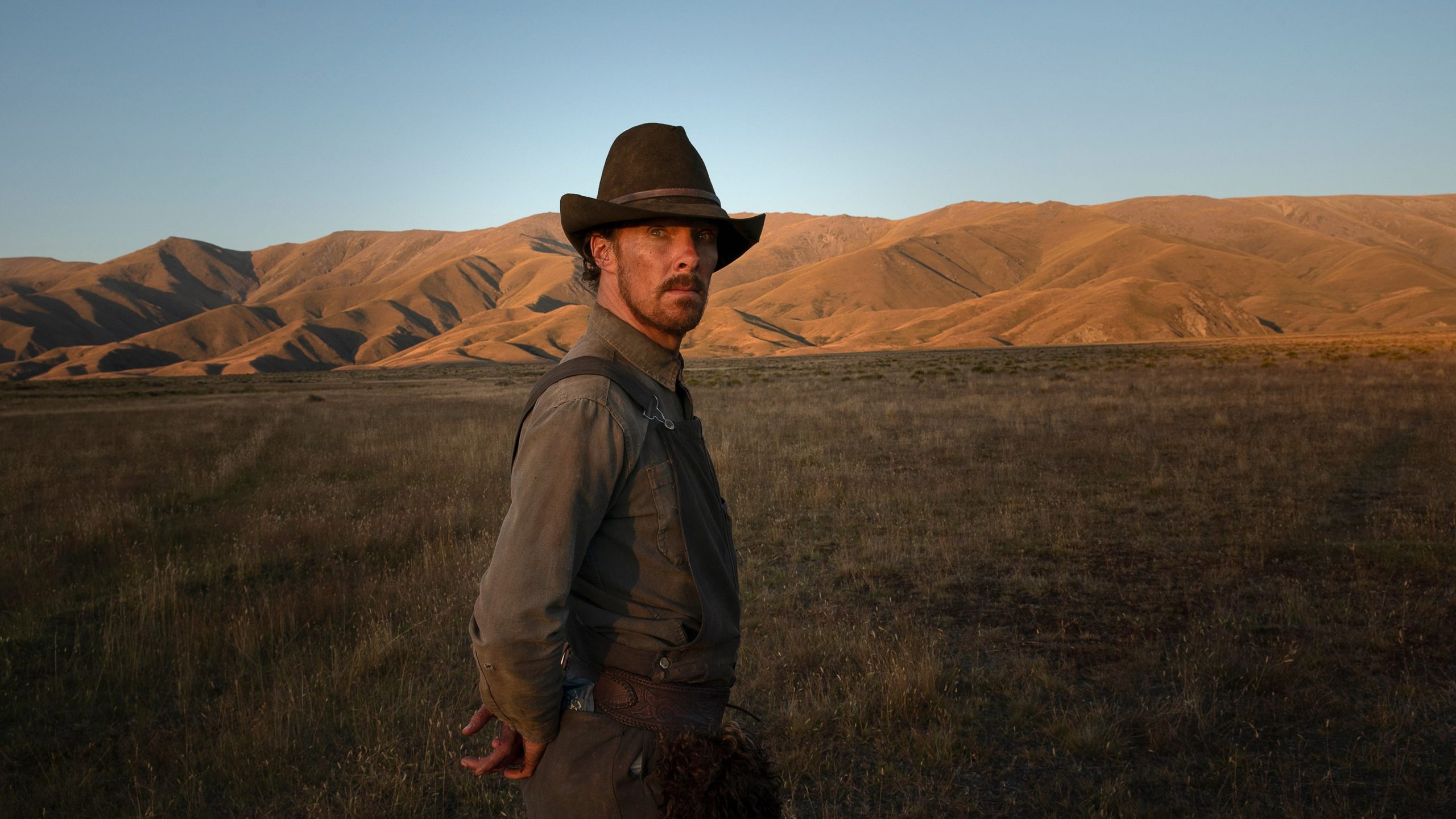
Cinema Wednesdays - Kelly Lambiel
After a 12-year absence from the cinema, Jane Campion's The Power of the Dog, a critically acclaimed comeback. Silver Lion for Best Director at the Venice Film Festival 2021, it is by playing with the codes of the western that, many years after The piano lesson and Portrait of a woman, she penetrates the male psyche for the first time. A territory she had intended to be hostile and hostile, yet sublimated by her gaze.
The wind blows hard across the great plains of Montana. It rushes through the hills, making the shrubs quiver. At the same time, it revives the discomfort of a deafening calm and the no less irritating discomfort of repeated noises. A slamming door, a creaking window, a continuous roar that evokes nothing. It recalls both the constant weight of emptiness, of a solitude heavy to bear, and that of a stifling presence that disturbs. In this corner, the earth is not arid, but it seems dry, or rather, parched, like the hearts of the people who inhabit it.
An oppressive in camera setting
In Phil's (Benedict Cumberbatch) magnificent, open-air prison, time has stood still for over twenty years, since the disappearance of Bronco Henry, his master thinker. Nostalgic for an era he cherishes but which is now gone, he denies others the right to move forward. First, his brother George (Jesse Plemons), with whom he has everything in common. Then his new wife, Rose (Kirsten Dunst), whom he despises at first sight. And finally, to Peter (Kodi Smit-McPhee), her son, who embodies everything Phil can't stand.
Over the course of the film's five chapters, the viewer watches helplessly as Rose, a newcomer to the ranch, slowly withers and drinks away her malaise. Watching his world crumble, Phil, as the sadistic and taciturn master of the house, takes pleasure in exerting cruel psychological violence on the woman who, for him, is the catalyst of this situation. Pitiless, he takes advantage of the young man's summer vacations to take Peter under his wing and make him, he thinks, his disciple, much to his mother's despair.
A world of men
In The power of the dog, Campion uses all the clichés that have made the virile western genre so successful, to give it a more subtle, aesthetic treatment. This approach, while not entirely innovative, nonetheless allows us to question a subject that is often relegated to a secondary position: masculinity, its definition and its representations. From the first glance, the stakes of the relationship that will unite Phil and Peter seem, in all likelihood, clear: one will assume the role of the castrating male, while the other will embody the very opposite, namely sensitivity and fragility.
It's a Manichaeism made up of appearances, because as we explore their stories further, delving deeper into Phil's domineering personality and Peter's at first sight submissive one, we come to understand that the boundaries are thinner than they seem, and above all poorly defined. What makes a man a man? What are the threats to the social construction of masculinity? And how can we be or become a man in a world that offers liberticidal and frustrating dichotomous models of identification?
A delicate realization
These questions, already present in Thomas Savage's novelized autobiography of the same name, from which Jane Campion drew her inspiration, are skilfully brought to life by the director. The director enjoys playing with symbols, scattering here and there clues that are imperceptible at first glance, but which end up making sense and imbuing the story with just the right amount of drama and fatality. A case in point is the metaphor of flowers - threaded throughout the film - fragile and strong at the same time, whether made of paper, petals or flesh and blood.
Read also | Hostiles, the greatest western of our century
The director gives the leading role to nature, which also plays a protagonist role in the book, acting as both threat and accomplice. Form accompanies content, and the landscape, aided by music that is often dissonant and disquieting, recounts the dryness and brutality of the dominant, and the solitude and vulnerability of the dominated. But isn't it said that a dog that bites doesn't show its teeth?
Write to the author: [email protected]

Photo credit: © Kirsty Griffin Netflix
You'll also like

 French
  German
  English
Leave a comment