



«La Route»: the endless road

Cinema Wednesdays - Special edition: The coronaretrospective of anticipation cinema - Fanny Agostino
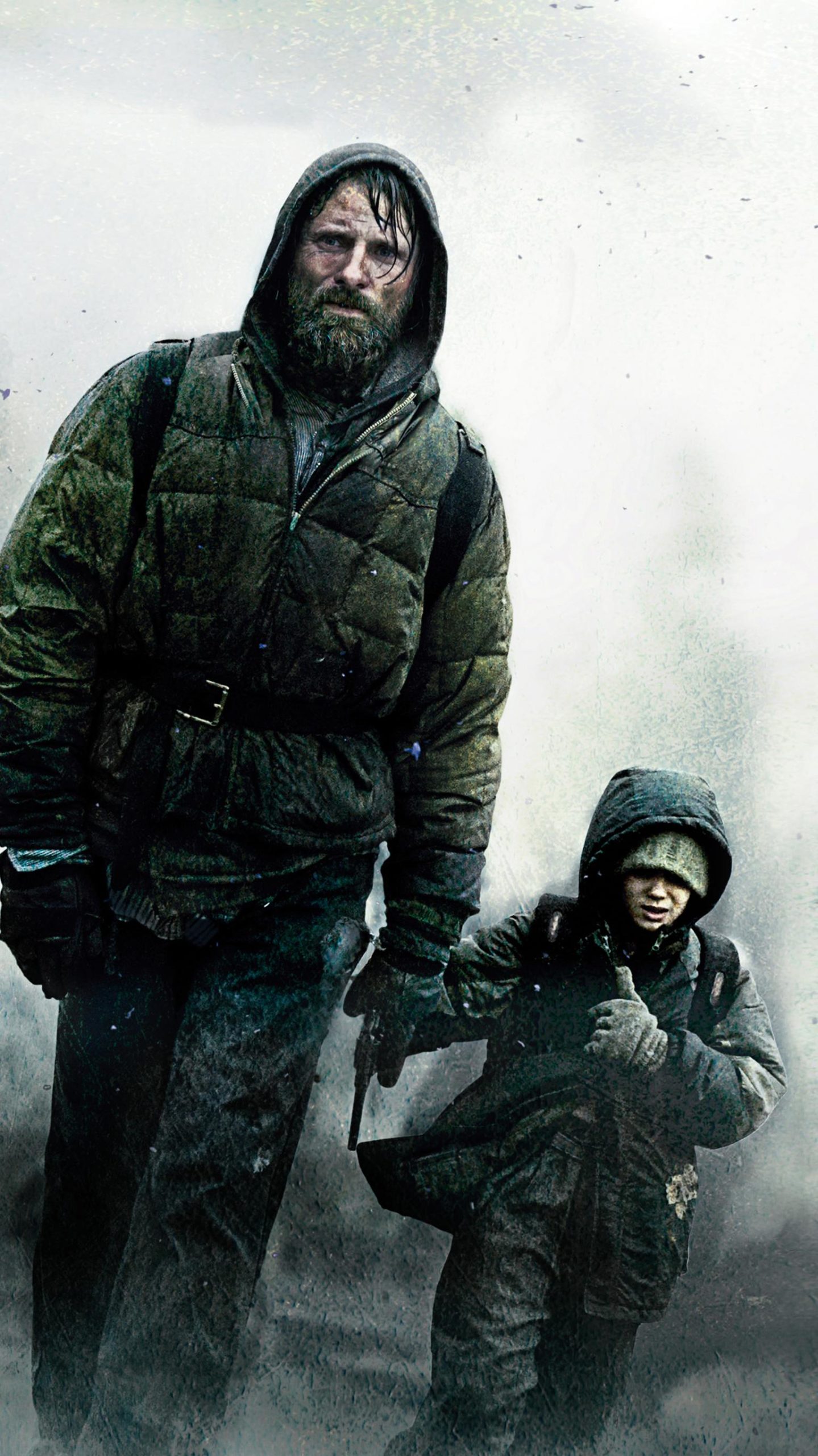
Adaptation of the novel by Cormac McCarthy, La Route follows the tragic destiny of a father and son. A destiny guided by a daily flight as the world is reduced to a vast wasteland, devastated by a natural disaster. In filth and dust, under constant threat from other survivors. To live above all, to reach the South and a future.
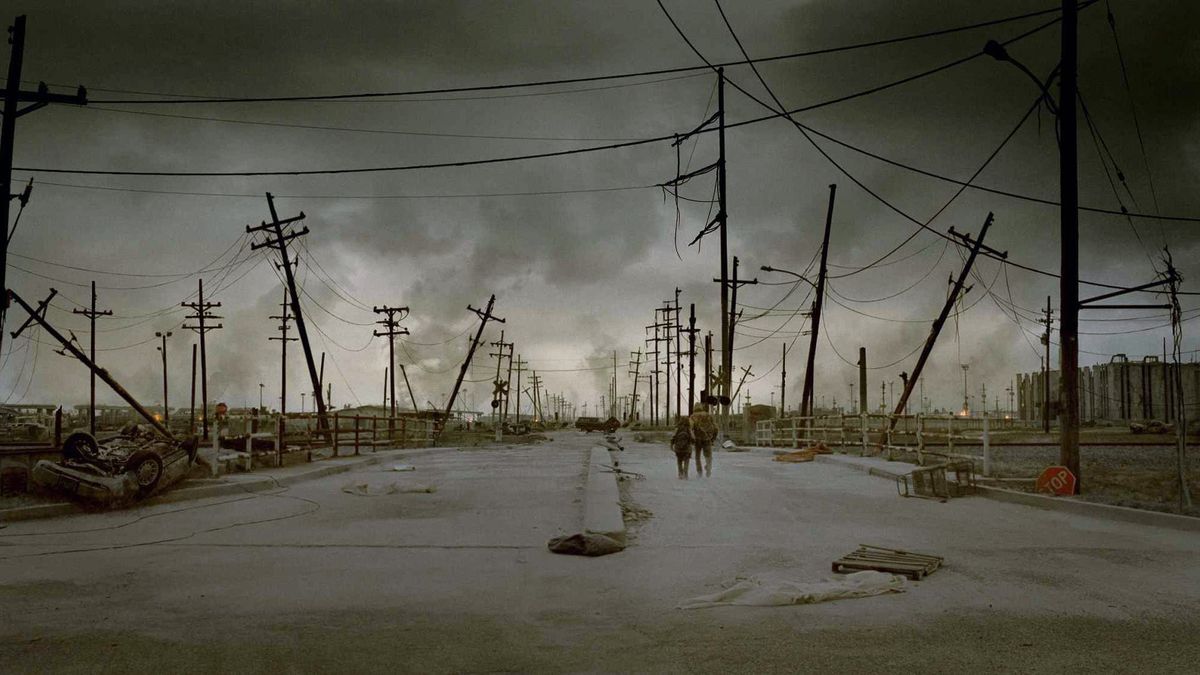
When the low, heavy sky weighs down like a lid. The famous line from Spleen Baudelaire perfectly captures the atmosphere of this ravaged universe. Lightless greyness, a land depopulated of its animal and plant species, bitter cold and constant gusts of wind. A nightmare of every moment. A nightmare for the viewer too, as the immense landscapes, from industrial zone to forest, plunge us into a doldrums from which we won't escape until the end of the film. In contrast, the flashbacks - the film's great facility - reveal the keys to life before and the consequences of these events.
Where Do We Go Now But Nowhere
The only clue to the catastrophe is the human footprint on the environment. In La Route, information is given in dribs and drabs. It's not so much a question of creating suspense by retaining the essential elements of the story - such as the names of the father and son - as it is of shedding the superfluous and retaining only the essential.
An essential governed by survival: food, shelter for the night, starting over. The dialogues are short and sufficient, à la Beckett. The slightest effort must be restrained to stay alive. «Keep the fire alive», as Viggo Mortensen dictates, while most men and women have resigned themselves to dying rather than surviving without hope.
A father-son relationship
A Manichean representation of the world, too: the bad guys on one side, the good guys on the other, explains the father to his offspring. Born into this broken world, the child played by Kodi Smit-McPhee wonders about this world and its purpose, and confronts his father's memories of Christmas parties and the discovery of a soda. A gulf opens up between two generations, two ways of existing. Questions also emerge: should we refuse cannibalism to survive, help our fellow man when he needs it, resist or give in to the impulse to hate and revenge? The film also features an excellent soundtrack by Nick Cave and Warren Ellis. Discreet but distilled to the film's key sequences, it contributes to the desolate atmosphere without overdoing it.
With its sequences bordering on the unbearable, La Route projects a violent world that is no longer a world. The images are not only violent on a physical level, but also on a moral one, because they show decadence pushed to the extreme: survival of bodies and beings to the detriment of Humanity. If the ending is somewhat disappointing, La Route will not disappoint true fans of survival films.
Write to the author: fanny.agostino@leregardlibre.com
Photo credit: © 2929 Productions

You'll also like




 French
  German
  English
Leave a comment