



Put the executioners in front of the camera
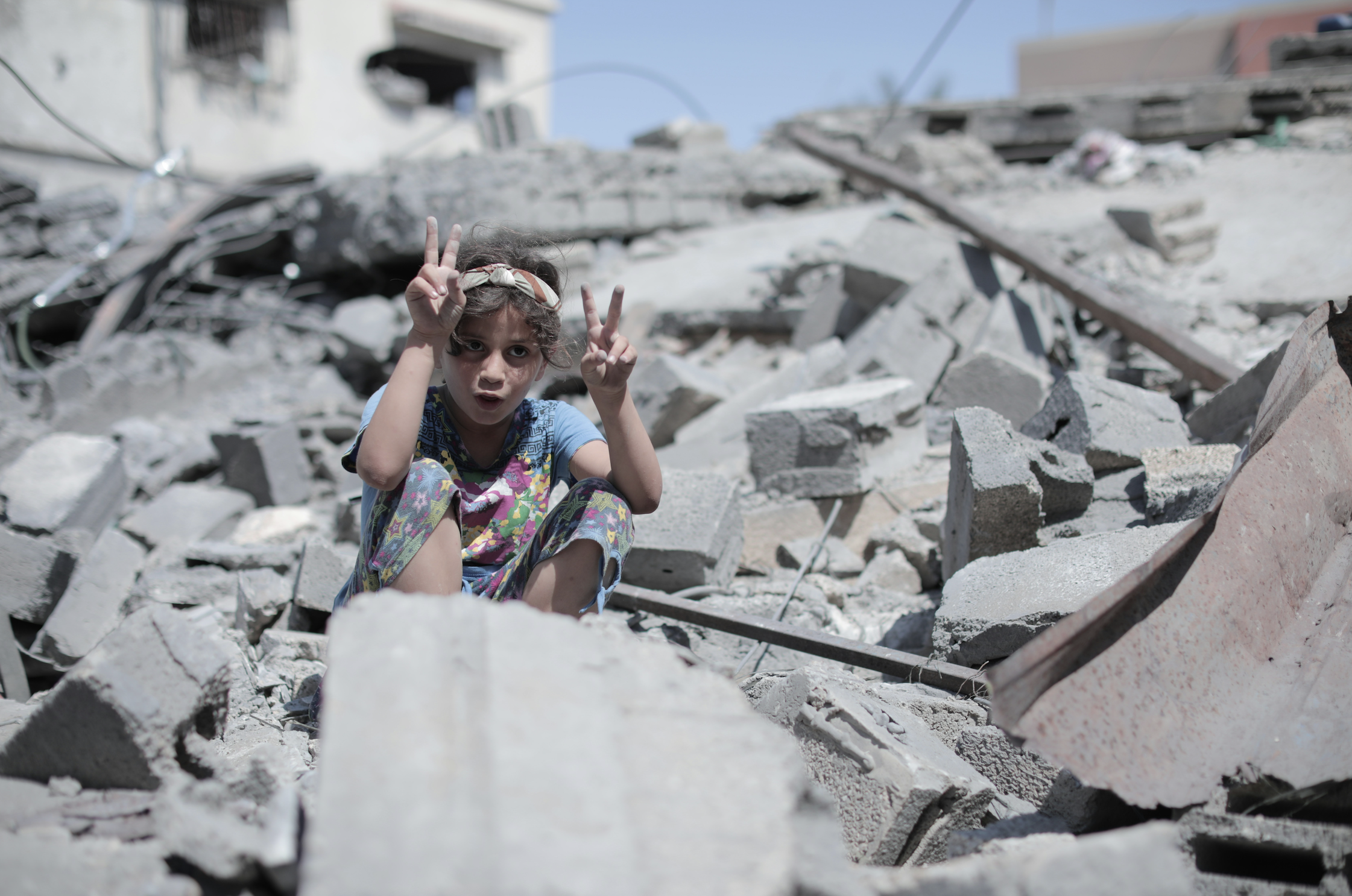
According to estimates by the United Nations (UNOSAT) and the Palestinian Central Bureau of Statistics (PCBS), approximately 82 % of the buildings in the Gaza Strip have been damaged or destroyed. Photo: Mohammed Ibrahim via Unsplash
Are perpetrators of mass crimes suitable subjects for a documentary? Rachel Szor and Yuval Abraham’s new film, *Naza*, answers this question in the affirmative, deeply moving both domestic and international audiences in the process.
When *Le Chagrin et la Pitié* was released in 1971, novelist Michel Mohrt was scathing on the France Inter program *Le Masque et la Plume*, lambasting a film «that is a lie from beginning to end, that is petty, that is base, that is a civil war film.» The documentary—a portrait of Clermont-Ferrand during the Occupation, from 1940 to 1944—does indeed challenge the Gaullist certainty of a France that was unanimously part of the Resistance, by interviewing collaborators, those who denounced Jews, Vichy supporters, German soldiers, and even a former member of the Charlemagne Division.
Jean-Paul Sartre would denounce a film that «ignores the masses, attacks the Resistance, and whitewashes the c
This content is reserved for our subscribers.

You'll also like


 French
 German
 English