

Saturday's Netflix & chill - Loris S. Musumeci
The new Netflix series, Freud, is as successful as it is reprehensible. The success comes from the numbers: since its release last March, the series has remained in the Top 10 for highest viewer ratings. The blame comes from the critical reception: a production on the borderline of a puppet show, which on the one hand teaches nothing about psychoanalysis, and on the other depicts a Sigmund a thousand miles away from the figure much - perhaps too much - idolized in intellectual circles. Success and blame go hand in hand, all in coherence. Both can be legitimately explained. Take a look.
Eight episodes in a first season that surprises both positively and negatively. Negative because biographical. Positive because fictional. Thank you, Doctor... we'll explain: what was badly perceived, and not frankly appreciated, was the freedom taken in portraying Freud. Nevertheless, biopic The director felt compelled to betray, without totally betraying. When you watch a series called «Freud», what do you want? You want dream analysis, the Oedipus complex, a cigar to suck on - making the connection you're thinking of - sexual allusions at every turn and everything in between. bells and whistles.
The problem is that the director, who is more concerned with fiction than memory - and that's not necessarily a bad thing - allows the plot to progress at will, until she remembers that the series in question is called «Freud» after all. Then, as the story moves from one extreme to the next, one character is forced to confess in a fit of hysteria that «I think I want to kill my father and sleep with my mother!» Tears in the audience, laughter in front of the screen. No, sorry, but it's ridiculous. And each of the eight episodes has its outtakes of the genre.
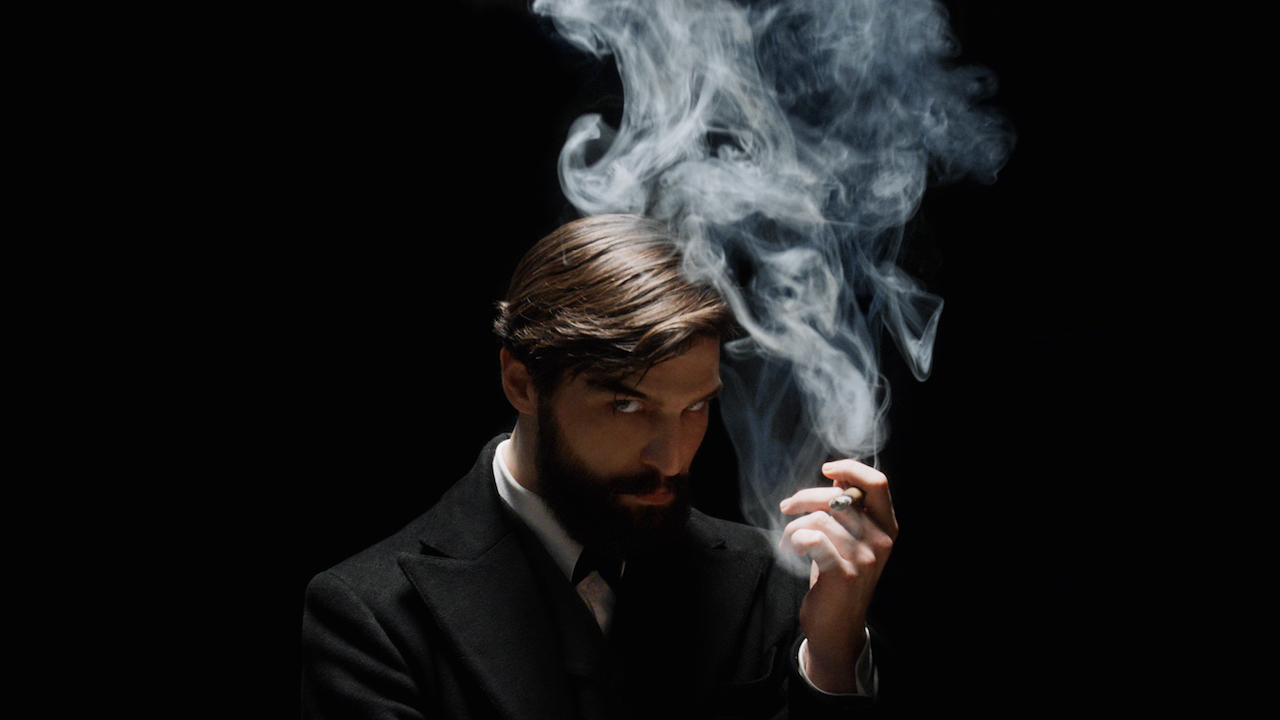
Positive because it's fictional, yes. Because it's well-constructed, despite the grotesque biographical background. Because with the excuse of a biopic, we're actually dealing with a thriller, both detective and psychological. Suspense, investigation, secrets, things left unsaid, impulses, violence, madness. Stories of family, confrontation and politics. Vienna at the end of the 19th centuryth, co-capital, with Budapest, of an Austro-Hungarian Empire that was more akin to the’austro than Hungarian, at least as far as power is concerned. Franz Joseph Ier, When the two monarchies joined forces in 1867, the Austrian emperor took care to shower the Hungarian nobility with privileges, but here again, the union is more akin to annexation. This Austro-Hungarian tension, very much present in the series, provides a politico-passionate background that manages to capture attention, interest and intrigue.
The most fictitious element, the one that succeeds best in the mise-en-scène and that made the Freudians howl, is the esotericism. There are sequences that are a little far-fetched. And a little boring, too. But the majority of the esoteric scenes - and they occupy a major place in the eight episodes - deserve the viewer's riveted eyes on the screen. They are forged in the establishment of a suspense that is, if not excellent, at least very strong. The staging, which sees blood-soaked bodies screaming, satanic rapes à la Rosemary's Baby, Demons possess souls, dark, suggestive dream frames. Gloomy songs, mental manipulations, shots that alternate between the slowness that sees anguish rising and the speed that creates shock.
The result, or the result of an in-depth look at this new work from Netflix: disappointment, but also guilty pleasure. The series really isn't very good, but that doesn't stop it from having some very good points, including the thriller aspect and the play with esotericism. Disappointment: we don't really find out much more about Freud afterwards. Freud, or psychoanalysis. Which is not to say that we can't won't know any better the master and his discipline. After a little excitement, thrills and reflection, we may stop here and move on to the next trendy series of the moment, just as we may delve deeper into this essential figure in the intellectual landscape of the 20th century.th century, whose influence continues to this day. Curiosity to dig deeper, to know more, to discover, and who knows, to come face to face with the dizzying revelations of our unconscious.
Write to the author: loris.musumeci@leregardlibre.com
Photo credits: © Netflix
 French
  German
  English