




When AI represents humanity's hope
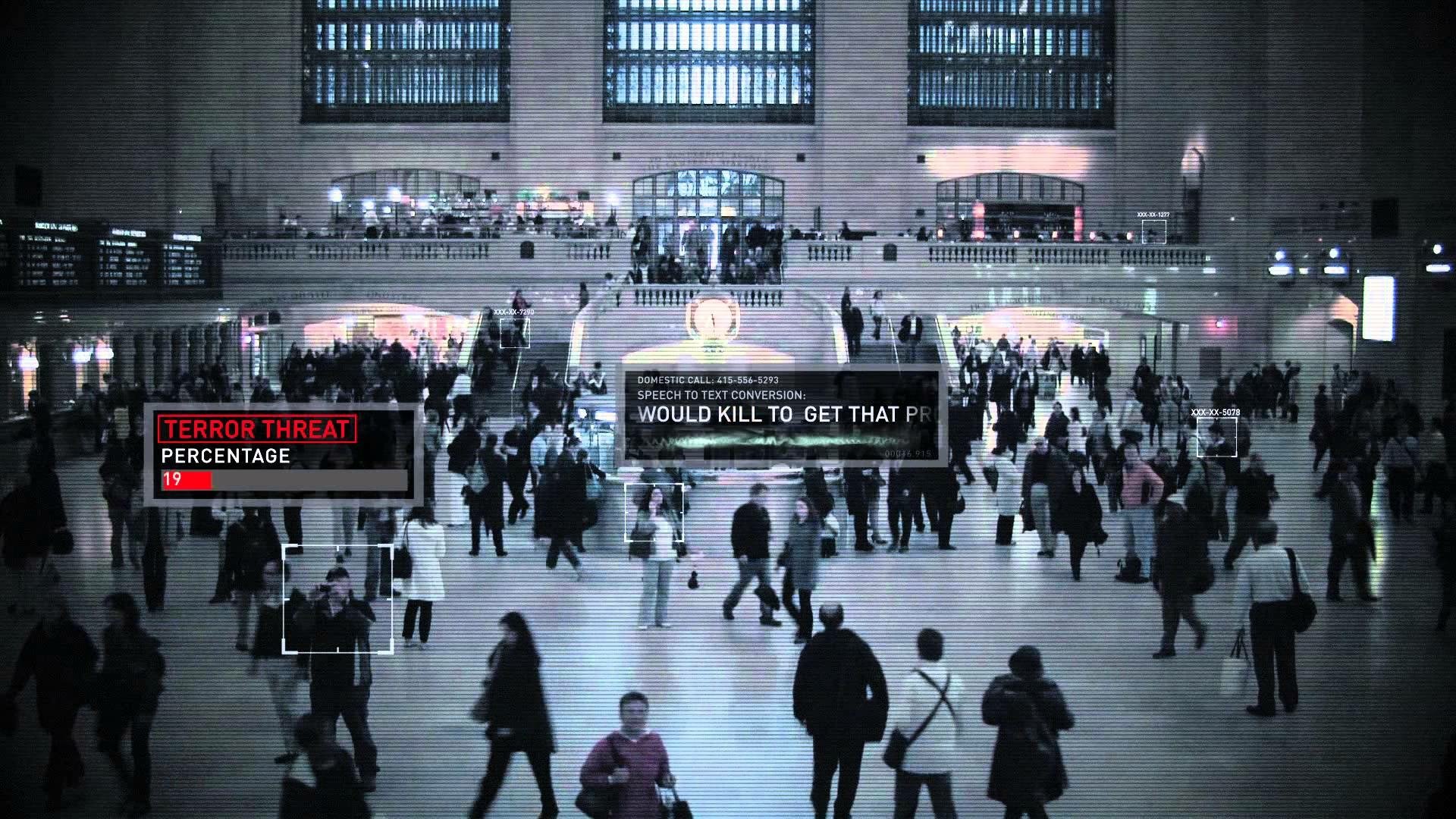
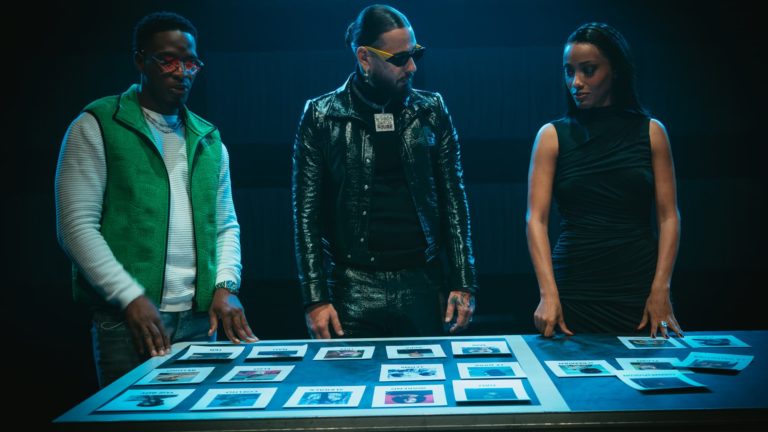
In the «Person of Interest» series, two artificial intelligences clash, one on the side of humanity, the other with the aim of controlling it. Credit: Bad Robot/Warner Bros
This month, I'm taking the opposite tack from my previous column, which saw artificial intelligence as a danger to cinema, by inviting you to rediscover a series in which AI plays the right role, for once.
In the latest issue of Regard Libre, I was opposed to artificial intelligence (AI) and skeptical of technical progress. Ever since Mary Shelley wrote Frankenstein on the shores of Lake Geneva in 1816-17, the fear of seeing human genius engender the entity that will lead to its own destruction is a leitmotif of fiction and cinema. Mary Shelley herself anchored herself in an age-old tradition, subtitling her novel «The Modern Prometheus»; in so doing, she took up the philosophical interpretation of the Greek myth that became widespread in the eighteenth century.th Prometheus symbolizes both mankind's legitimate rebellion against the Creator, and the disastrous hubris of believing oneself to be above Him, and seizing power beyond one's control.
Cinema, born in the industrial age, is full of works that deal with this theme: from Metropolis in 1927 and the adaptation of Frankenstein in 1929, it has transcended the ages, nourished as it has been by the science-fiction literature of authors such as Philip K. Dick, Arthur C. Clarke and Frank Herbert. Androids and supercomputers, artificial intelligences and bloodthirsty robots have populated our collective imagination: 2001: A Space Odyssey, Terminator, I Robot, Blade Runner, Dune, Matrix, Ex Machina, Westworld... All these classics contain the same Promethean warning: beware of those who think they are God!
Person of Interest
Recently, I rediscovered some old episodes of a series that has fallen somewhat into oblivion, but which deserves to be revisited: Person of Interest (2011-2016). Created by Jonathan Nolan, a prolific writer, director and producer who co-directed Westworld with his wife Lisa Joy, and has worked on almost all his brother Christopher's films, Person of Interest features Harold Finch, a computer genius who teams up with a former Central Intelligence Agency (CIA) henchman to save endangered people. They are assisted by an AI developed by Finch, «the Machine», capable of predicting when a crime will take place.
Over the course of the seasons, the two companions and their Machine face a second artificial intelligence, used by an unscrupulous multinational corporation to enslave the world.
The entire narrative arc of the series revolves around this epic antagonism, between the idealistic Dr. Frankenstein who hopes to control his Creature - either by confining it to the role of tool, or by infusing it with a humanity of its own - and the Dr. Frankensteins who want to unleash the monster's power for their own interests.
AI giants Sam Altman, Elon Musk and company hope to join this epic battle, each claiming to be the «good» Dr. Frankenstein, the Harold Finch of real life. I'll leave it to each of you to decide for yourself who is most credible in this role; for my part, I prefer to retain the mad optimism that transcends every episode of Person of Interest, the desperate idealism of its main characters, who persist in believing that, no matter how destructive humanity unleashes on the world, sometimes all it takes is a few profoundly good people to prevent the cataclysm.
Read also | AI, the new betrayal of cinema
The proof is that, despite the ups and downs of humanity, it's still here, and the fire that Prometheus stole from the gods hasn't yet scorched the Earth. And yet Frankenstein's monster already exists: it's called a nuclear bomb. We've been (over)living with it for 80 years. Perhaps it's naive to believe that the atom won't be our undoing one day. The fact remains that, faced with the risk of nuclear winter, courageous people have always been able to stop in time. Twice, men have stood up against the outbreak of nuclear war and saved the world, in 1963 during the Cuban missile crisis, and again in 1983.
Person of Interest gives hope, because it believes in the existence of these bulwarks against the excesses of technology – benevolent, courageous people. It may be argued that this is blindness, naiveté, and I'm sure I'll be warned not to confuse fiction with real life. But this is a warning that only comes into play when the film or series is optimistic; why should it only be acceptable to compare a work with reality when it paints a cold, despairing portrait of the future? Is it necessarily more intelligent and appropriate?
Every month, our film review Jocelyn Daloz explores the seventh art in its socio-historical context.
You have just read an open-access column from our print edition (Le Regard Libre N°122). Debates, analyses, cultural news: subscribe to support us and access all our content.
You'll also like

 French
  German
  English
Leave a comment