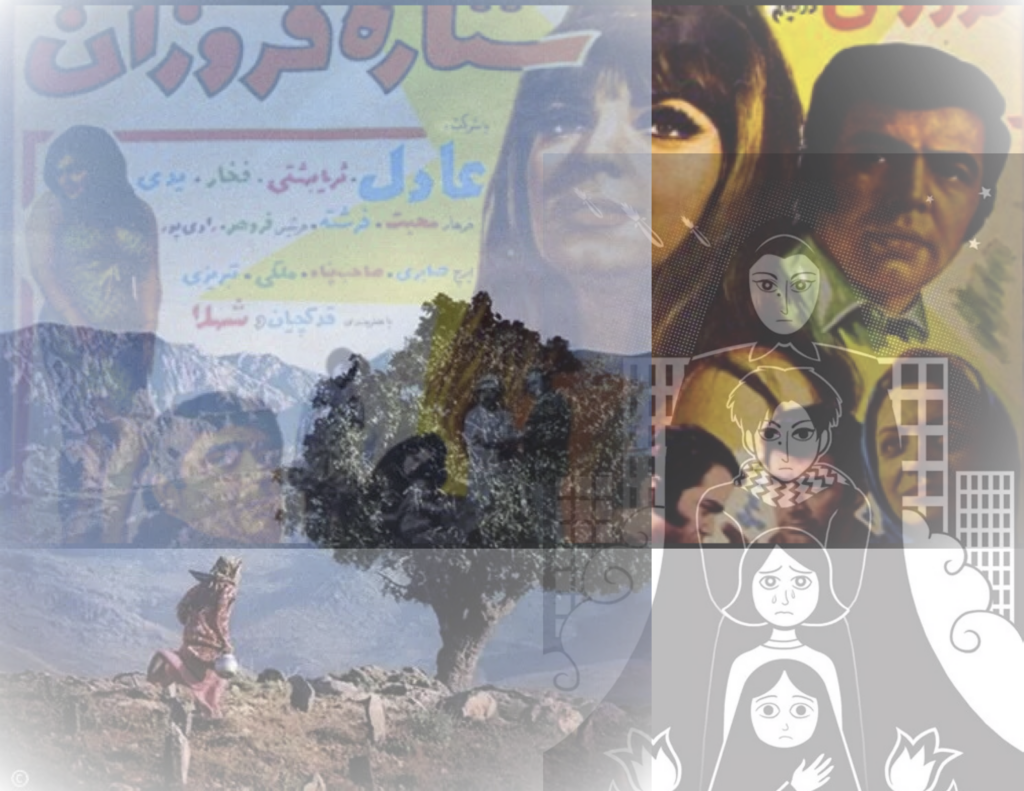
Before being part of the «Axis of Evil», to use the rhetoric of the Bush years, or the target of Operation Epic Fury, Iran is first and foremost a country with a culture dating back thousands of years, expressed in its deeply moving cinema.
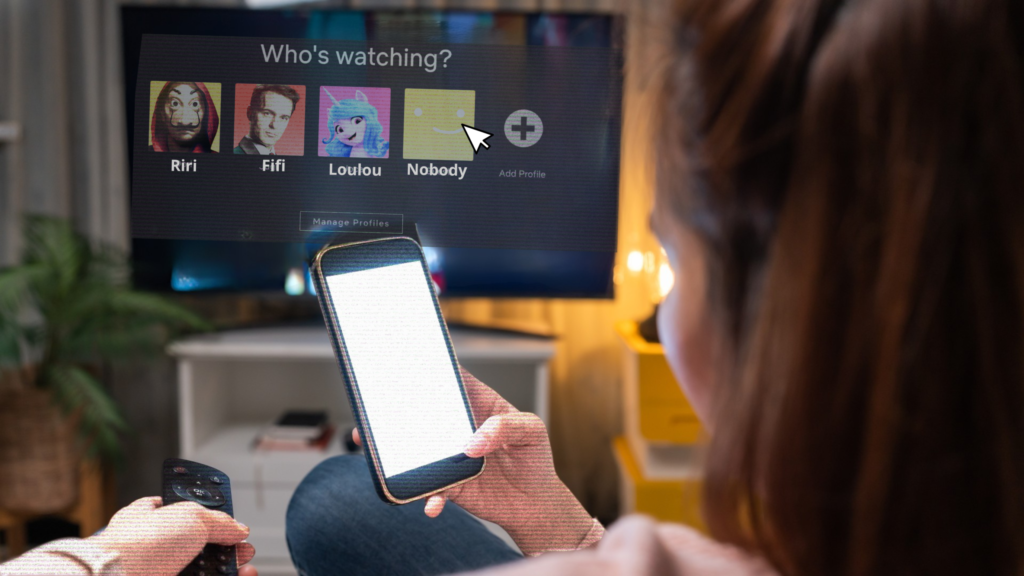
According to a 2019 study, 90% of people keep an eye on their phone while watching TV. This pushes screenwriters to focus on spoken text rather than image.
This month, I'm taking the opposite tack from my previous column, which saw artificial intelligence as a danger to cinema, by inviting you to rediscover a series in which AI plays the right role, for once.
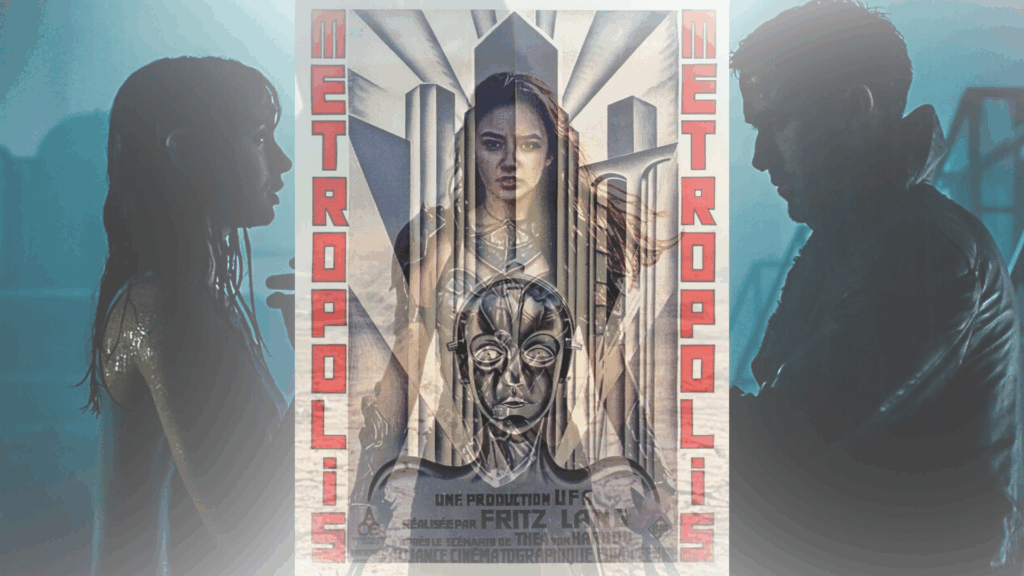
On the menu this month is a fictional and unlikely encounter: that between my former film history teacher and virtual actress Tilly Norwood. He mourns the silent films of the '20s, she embodies the AI ready to supplant flesh-and-blood actresses.
Does a documentary imply a greater responsibility for the filmmaker than a work of fiction? Yes, without a doubt - at least, that's the postulate I'm defending at the end of the Les Diablerets International Alpine Film Festival.
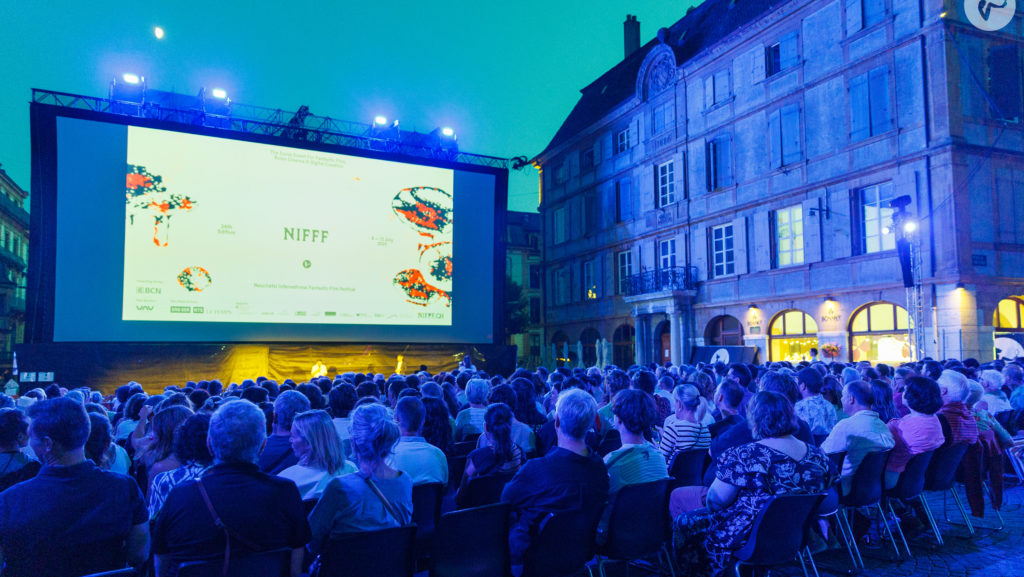
This month, our columnist explores the apparent contradiction between declining cinema attendance and the growing success of film festivals.
Having deplored the laziness of remakes and endless film sequels, our columnist now turns to the pitfalls of adaptations of literary works. Or when hubris pushes us to want to do better than the original work.
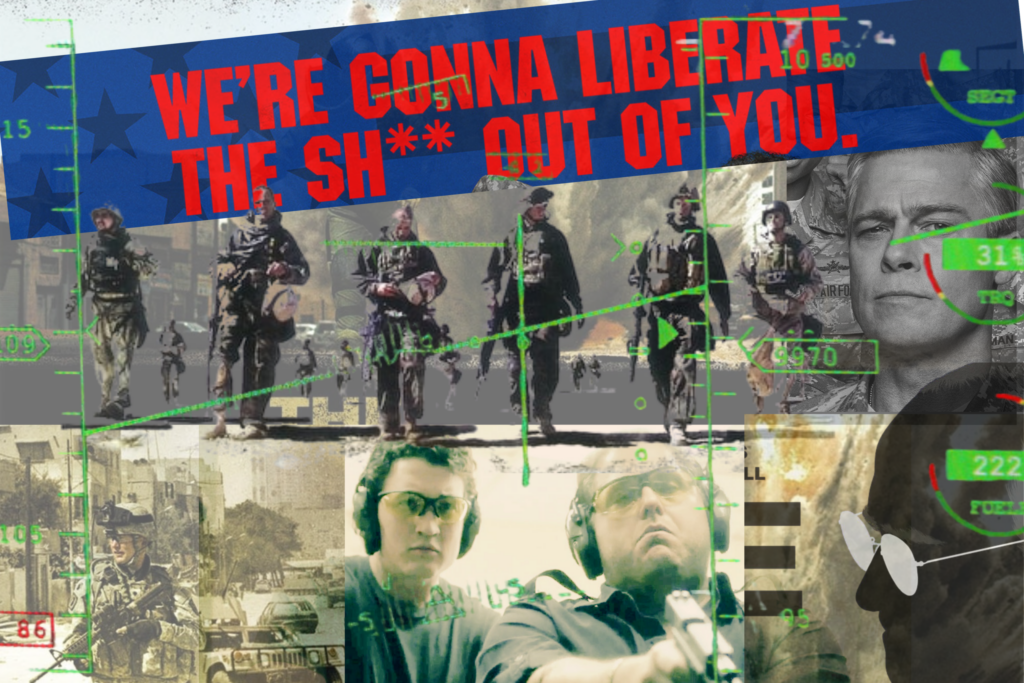
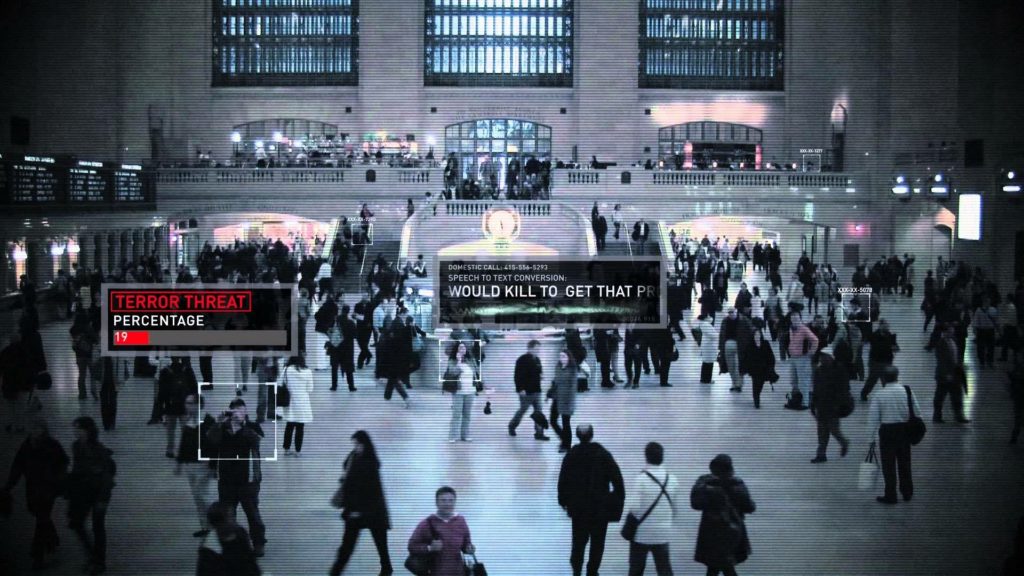
When the leader of a nation proposes to broadcast a work of fiction to educate students, it's time to ask whether it's a good idea to rely on it to shape our relationship with reality.
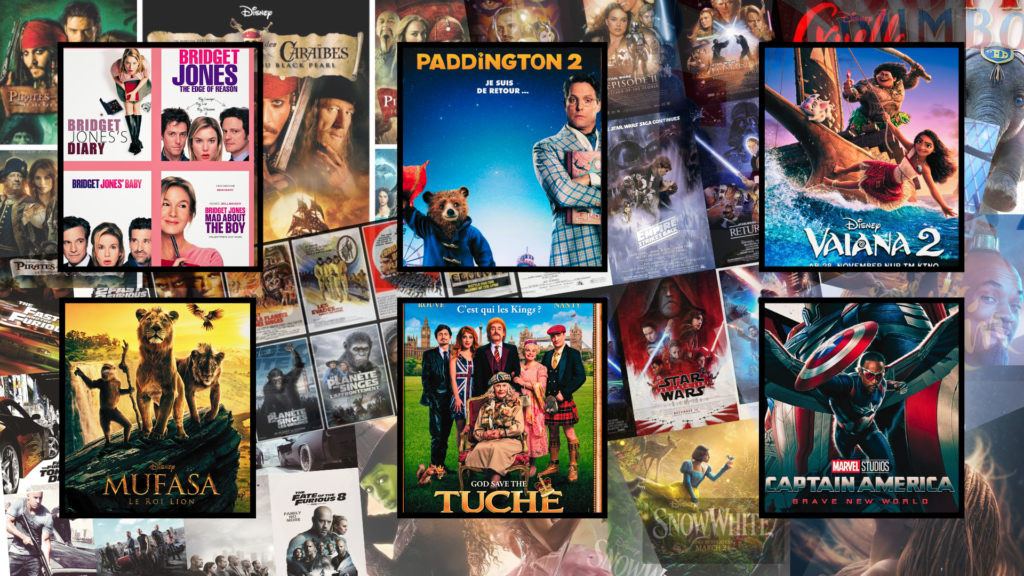
Remake, prequel, sequel, spin-off: these neologisms are all too familiar to contemporary audiences. Whether at the cinema or on platforms, films and series recycle the recipes of the past, a sign of an age that doesn't know how to reinvent itself.




 French
  German
  English