



«Unbelievable»: since we tell you this story is true...
Saturday Netflix & chill - Lauriane Pipoz
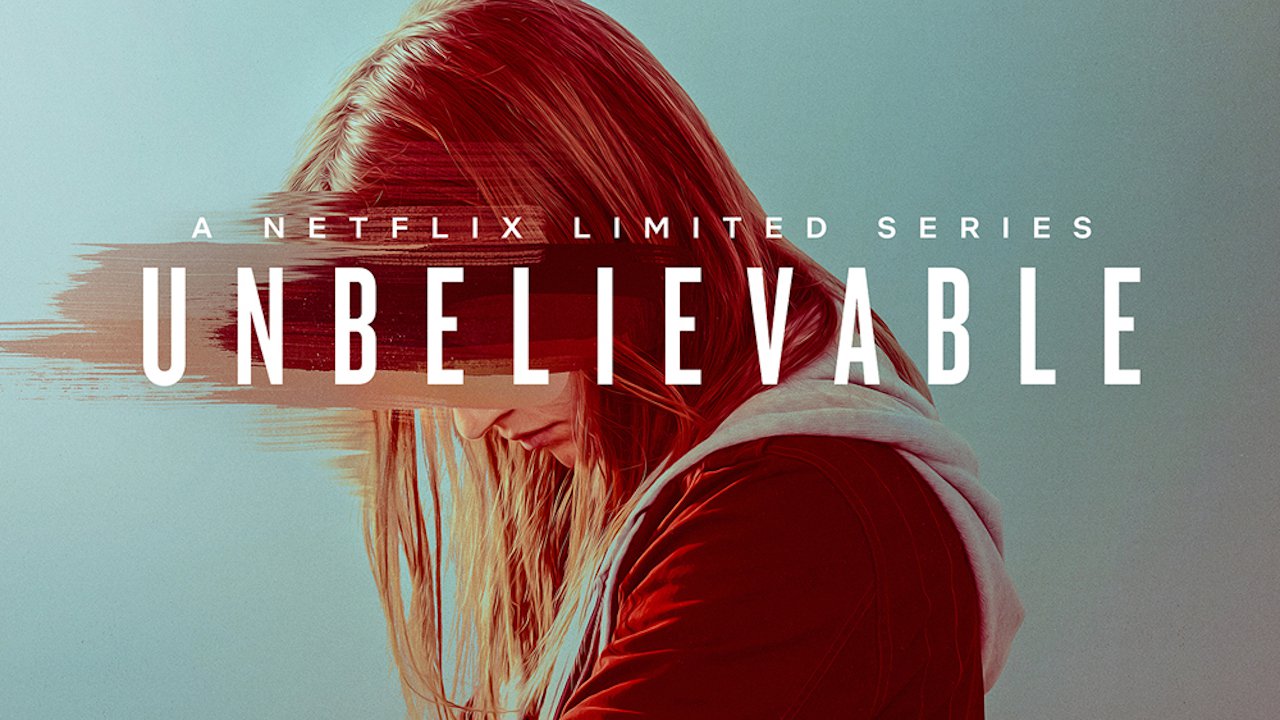
Unbelievable tells the eight-part story of an improbable case of near-perfect serial rape. In the USA, a meticulous criminal finds a way to take advantage of the dysfunctions of the police system. Add an implausible victim, a huge coincidence and psychologically astute investigators: with a little suspense, you've got all the ingredients for a good series. But this article will convince you that it really is excellent.

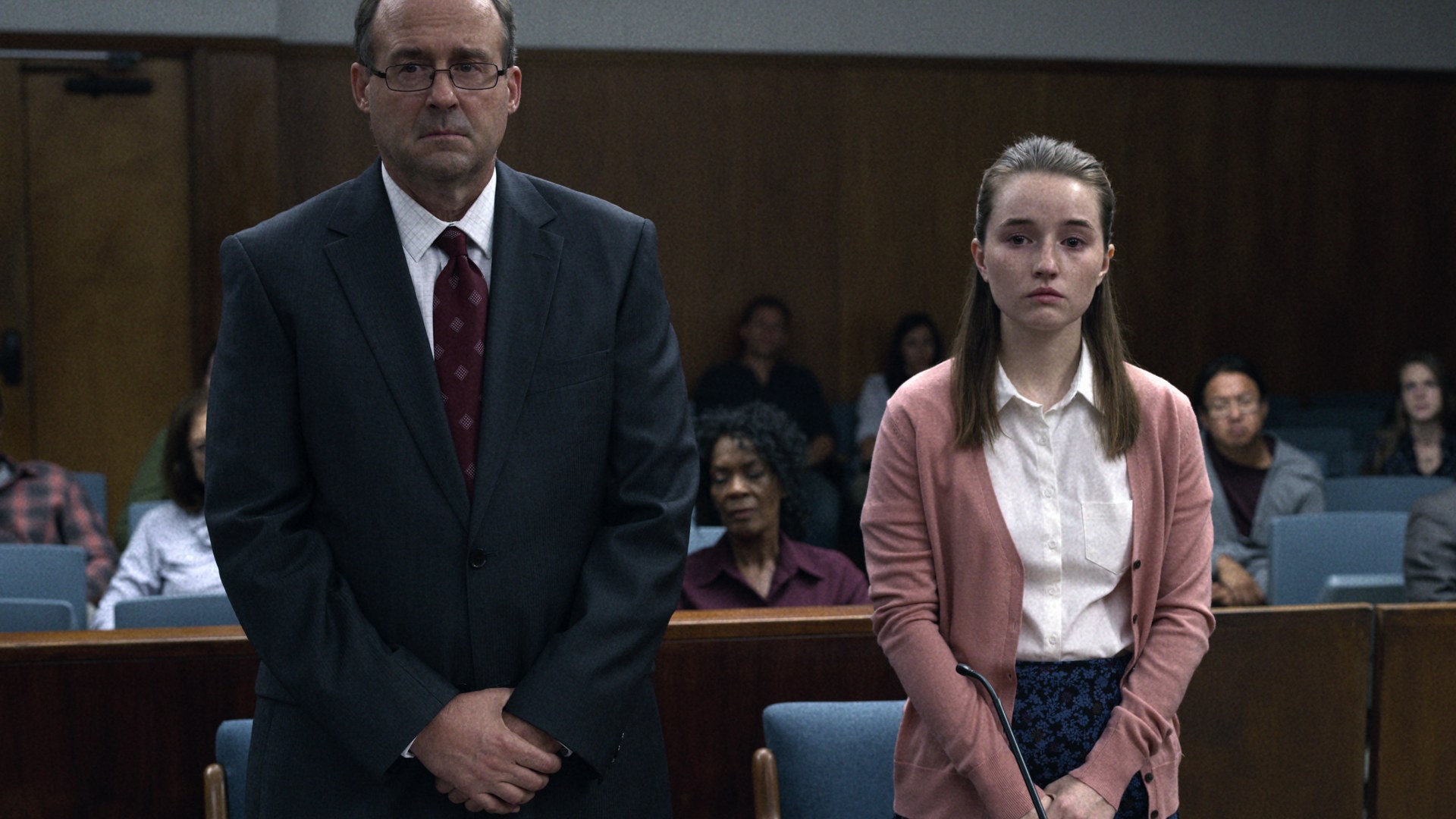
First things first: while this mini-series has all the ingredients, it is not a detective series. The police investigation serves as a red thread for the presentation of other themes. But how? Through the story of Marie, the first victim, and in part from her point of view: a series of flashbacks and images from her imagination introduce the viewer to the traumatic consequences of rape. But her past resurfaces: from victim, she becomes guilty. Guilty of perjury.
One of the aims is therefore to show the violence of the moment after the rape: the hospital nursing staff are dehumanized by framings showing only their manipulations, and a desperate Marie has to tell her story over and over again before our very eyes. This double ordeal - first the rape, then the denunciation of it - naturally gives rise to a range of reactions. This is underlined by the total and very successful contrast between the first two victims. And this brings us to the second theme: informing about these possible reactions and the victims' lack of credibility. Since in the USA, only 5% of rape complaints are successful.
A feminist series?
The series by Michael Chabon, Susannah Grant and Ayelet Waldman has been almost universally treated in the press - and by Netflix algorithms - as a feminist series. But that's reductive. As Susannah Grant notes in one of her interviews, men too suffer sexual violence that will not be prosecuted. The aim is not to denounce the women's lack of credibility, but the lack of benevolence surrounding the victims, as well as the lack of cooperation between police forces.
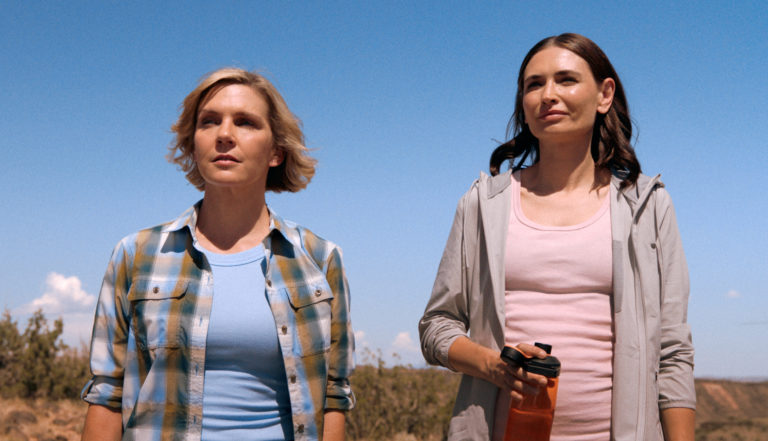
True, the main characters - Marie and two female investigators - are women, and one scene shows the investigators sharing useful information over a pool table. But if we focus solely on these elements, the series misses the mark! Communication skills, traditionally considered feminine, are not only the prerogative of the female characters in this series. Unfortunately, critics have consciously chosen to exclude the characters of the FBI agent offering help or the policeman through whom the two investigators meet - among others.
Is this really a service to feminism? The message here is much more subtle: together, we're stronger. And better informed.

The best for last
But the decisive factor in making this mini-series exceptional is its accuracy. There's no overacting, no pathetic sequences, no inaccuracies: there's no attempt to pull the wool over our eyes, and every shot is calculated to hit the mark. In the image of Netflix series, the layout is totally uncluttered: there's little music, few aesthetic shots or actors taking up too much space. But unlike much of what's available on the American platform, we're not in for pure entertainment: aside from a few humorous touches, the truly light moments come in dribs and drabs. Only the functional, reassuring family life of one of the investigators seems to act as a pressure-relieving valve.
The reason for this seriousness? To be faithful to a subjective story, but based on real facts. Told by the real Marie and the two female investigators who arrested her rapist, they were collected by two journalists in 2015, which won the Pulitzer Prize. The same Marie served as executive producer of the series. To share her story and show that, sometimes, the simplest explanation isn't the best one. Otherwise, film critics would also have less to tell, less to analyze, less to dig into. We're looking for finesse; we find it with Marie et histoire, with Unbelievable.
Write to the author: lauriane.pipoz@leregardlibre.com
Photo credit: © Netflix
You'll also like

 French
  German
  English
Leave a comment