



Time for journalism pros

Closeup Novelist shot memo writing on paper notebook with vintage tone.
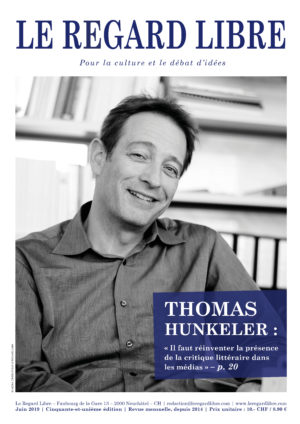
Le Regard Libre N° 51 - Jonas Follonier
In the French television landscape, some cult shows such as ’On n'est pas couché« are disappointing. Many people, on the Internet, in cafés or even on television, claim that the famous talk show is not what it used to be. The reason? The viewer is no longer surprised; the expected nature of the talks has taken over, even though this weekly appointment remains a cultural reference for a certain audience.
While the show's credits and set have not changed in over ten years, its intellectual climate has. Having once relied on the caustic force of columnists such as Eric Naulleau, Eric Zemmour, Natacha Polony and Aymeric Caron, the current format is cruelly lacking in pluralism and originality. This is not to denigrate the show, but one observation is shared even by those who continue to watch it (and I'm one of them): the bobo entre-soi that was once wrongly attached to it now seems to have become a reality.
This phenomenon is symptomatic of a progressive restriction of the field of thought, one of the effects of which is to make the temperature of the public media ever more tepid. It's interesting to note that we now have to turn to private TV channels to find less bland television. Whether it's on popular channels such as Canal+, where you can enjoy the stimulating daily debates on Time for the pros by Pascal Praud, or on small independent web-teles such as Polony TV, Onfray TV, Komodo.TV or the new REACnROLL TV.

Whether or not we like the sensibilities expressed in these new temples of contradiction, there's no doubt that the debate of ideas loses its meaning when «idea» becomes a singular word. Unfortunately, this is what's happening in the major media, academic and artistic institutions. More editorialists should denounce this obvious paradox, which we see every day: that of an environment where we constantly campaign for openness, tolerance and freedom, and where we show ourselves to be the most repressive in the world. at the same time the fiercest opponent of these concepts when it comes to putting words into action. A sad statement, to be sure, but a statement nonetheless.
This little reflection on French television casts a different light on a process with which Swiss journalism is very familiar. While the German-speaking part of our country is doing better in this respect, French-speaking Switzerland is struggling to maintain the intellectual quality that its various media, both television and print, once had. A routine is gradually imposing itself on the choice of subjects and voices. This is extremely dangerous, since diversity and critical thinking are the very things that calm minds and prevent citizens from growing frustrated.
Now that the diagnosis has been made, what should we do? Denounce the death of debate? That's not enough, and on reflection, I'm beginning to think that pointing fingers isn't the right thing to do. It's better to concentrate our efforts on a positive approach, being creators rather than detractors. By taking advantage of the rise of independent media to offer flesh, nerves, neurons, verve, sap and dreams. By multiplying in-depth yet accessible content, unexpected encounters and varied points of view. Or even by changing the system from within.
It's time for journalism pros. Let's seize this opportunity. The time has come to further professionalize this family of trades and activities, paradoxically relying on non-professionals as much as professionals. Whether you're an amateur or have a diploma, it doesn't matter. May we focus instead on the values of intellectual honesty, originality, determination, intellectual curiosity and human sensitivity. And I have the impression that this momentum is building.
Write to the author: [email protected]
-
 Le Regard Libre - N° 51CHF10.00
 -
 Standard subscription (Switzerland)CHF100.00 / year
 -
Support subscriptionCHF200.00 / year

You'll also like


 French
  German
  English
Leave a comment