




Ah! shopping tourism
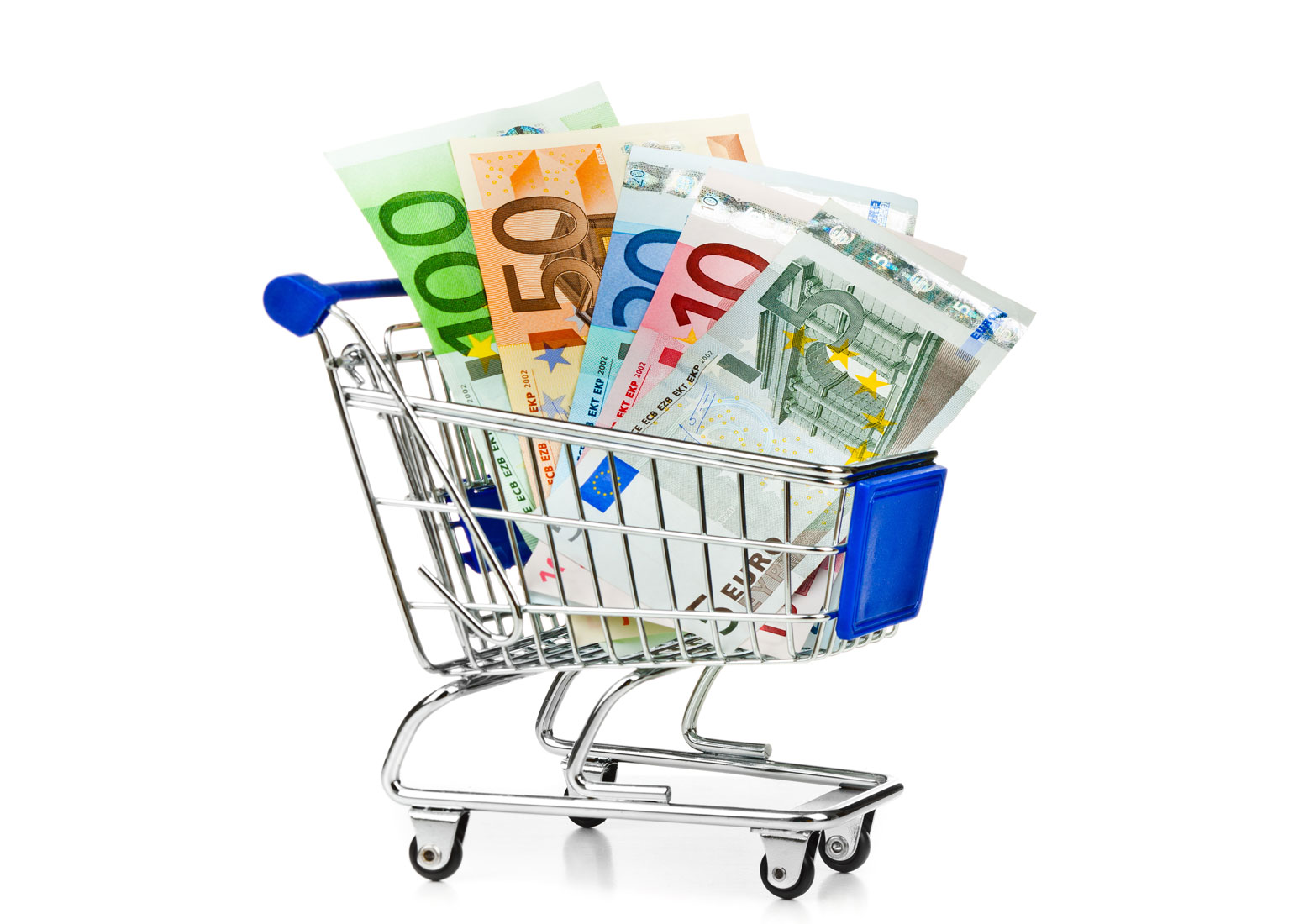
Shopping tourism, that controversial subject par excellence. As a resident of a canton that shares its border with France, I'm constantly confronted with it. Arguments are rife, debates are tense, and «tourists» are quickly branded as bad patriots who would harm the Swiss economy. And yet, on the other side of the argument mordicus that, after all, it's logical and legitimate to want to pay less for one's purchases when the opportunity presents itself at such a short distance. In the lines that follow, I'll take the liberty of providing a modest deciphering of the situation, with the aim of giving each and every one of you some of the ins and outs when it comes to facing up to your responsibilities as a consumer. So, Doctor, how bad is shopping tourism?
Already a sensitive issue before January 2015, the subject has become a permanent topic of debate since the abolition of the floor rate. While the strength of the Swiss franc is certainly penalizing exports, on the other hand, it favors the Swiss over foreign sellers. De facto, The January 15 announcement has made many households very happy. Individuals who make weekend or occasional trips to France, Germany or Italy are the opportunistic winners of the National Bank's decision. The result is an explosion in the volume of cross-border purchases. On the other side of the Atlantic, people are panicking. People are crying wolf.
Our business locations (Geneva, Zurich, Basel, Lausanne, Lugano) are all relatively close to the border, making our country a prime «candidate» for shopping tourism. This proximity is explained in La Vie économique, which shows that 73% of Swiss people can reach a foreign supermarket in just one hour! The temptation is great. Too tempting?
From protectionism to shopping tourism
First of all, it's important to remember that the phenomenon betrays a problem of the rich. That of the famous Swiss «island of dearness». After all, only a significant price difference justifies a move to a neighboring country. This difference can be explained by the relative weakness of competition in Switzerland, and by protectionism, which forces major distributors to buy domestic agricultural products at off-market prices.
But in addition to their ability to offer attractive prices, the greater flexibility of opening hours in neighboring countries is to be commended. While our shops usually close at 6pm on Saturdays, they continue to operate late into the evening on the other side of the border. Not to mention Sundays. This exacerbated competition forces Swiss companies to adapt their offer as far as possible. This is highly beneficial for all consumers.
Weakening of the Swiss economy
Les représentants de l’économie suisse chiffrent les conséquences du tourisme d’achat à la destruction de 20’000 emplois. Et ce, rien que pour les deux dernières années. Evidemment, la désertion des commerces helvétiques conduit à des baisses de chiffre d’affaires, qui mènent à des licenciements mettant en difficulté des employés souvent peu formés – et donc difficilement ré-employables – ou encore des étudiants très présents parmi les travailleurs du samedi. Ce phénomène entraîne une perte de pouvoir d’achat, qui affecte le reste de l’économie. Certes, mais cette perte est contrebalancée par le gain de pouvoir d’achat qu’entraînent les emplettes faites à l’étranger. Quand on paie moins, il nous reste automatiquement plus à dépenser en loisir et autres charges payées sur sol helvétique.
But not only does shopping tourism destroy jobs at home, it's also counter-productive for companies abroad. The same product has a low margin in France, so even when sold in greater numbers, it is less profitable than if sold in Switzerland.
Unfair competition
In conclusion, shopping tourism should be a stimulus for the Swiss economy. However, as the framework conditions are not the same in Switzerland as in neighboring countries, this unfair competition is destructive for everyone in the long term. Politicians must take the problem seriously and deregulate the market, otherwise the gap will continue to widen. Protectionism and the erection of customs barriers are cosmetic measures which, at best, only serve a limited purpose. The solution lies in a freer market.
Finally, the question of buying abroad is not only a matter of economic logic, but also of philosophical choice. Should I think about my own personal situation, or about society as a whole? Should I prioritize my own instant happiness or contribute to the collective effort? Should I have the salary of a Swiss citizen, but the expenses of a Frenchman? The notion of freedom, taken to mean freedom of consumption and entrepreneurship in this paper, always implies responsibility. Let's never forget that.
Write to the author: [email protected]

You'll also like



 French
  German
  English
1 comment
Very interesting article, thank you. As you say, tourists are quickly branded as bad patriots. Surprisingly, people who spend their vacations abroad (wellness in Austria, skiing in France, etc.) are never singled out. Swiss tourism is suffering too!
Leave a comment