




The Reasons Behind Bitcoin's Rise Above $100,000
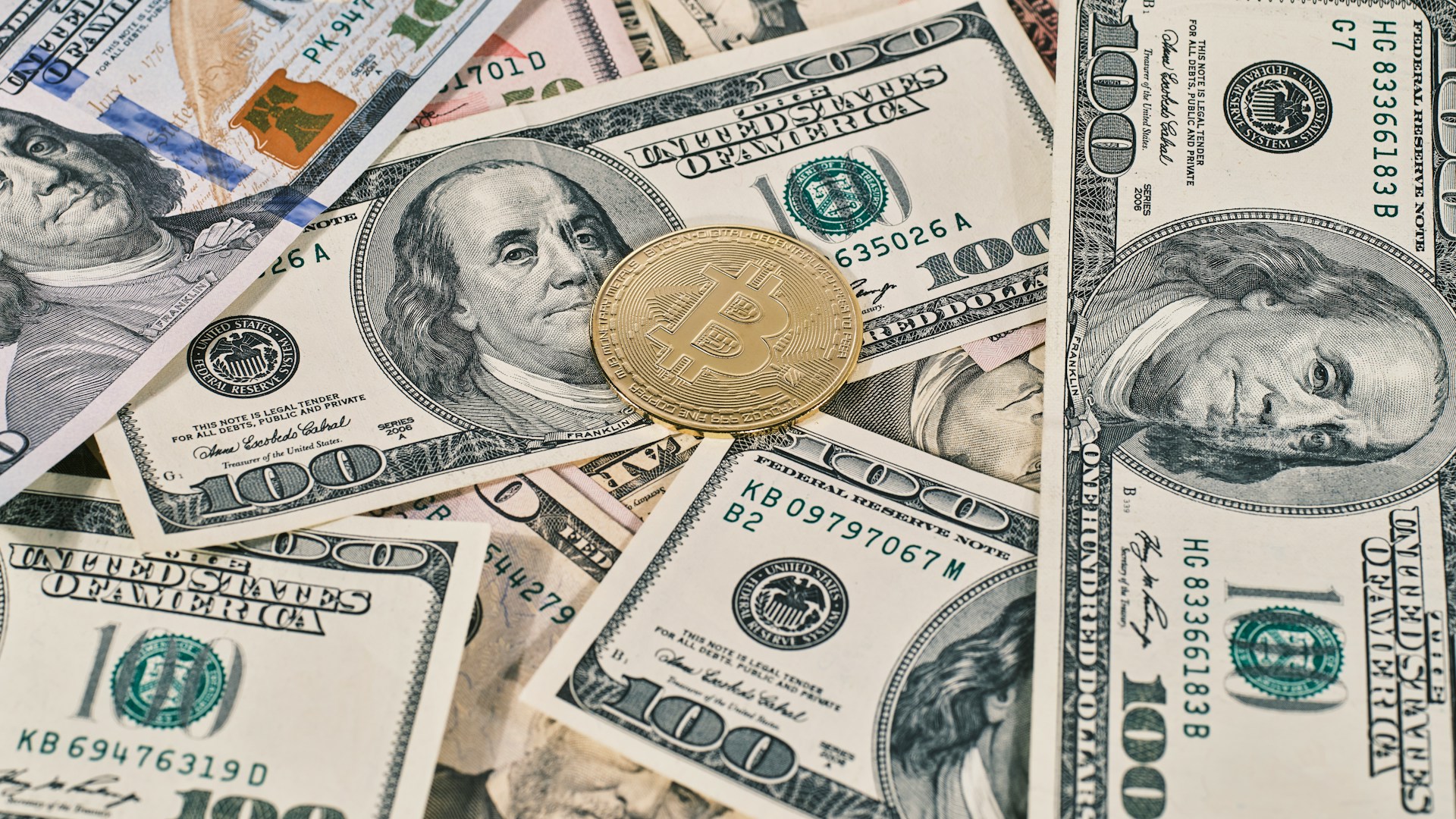
Le cours du bitcoin a franchi le seuil symbolique des 100'000 dollars américains dans la nuit de mercredi à jeudi. Photo: Engin Akyurt (via Unsplash)
Donald Trump's recent embrace of pro-Bitcoin rhetoric is more the effect of increased hype around the most famous cryptocurrency than the other way around. A few facts.
Ce jeudi 5 décembre, Bitcoin a dépassé le seuil symbolique des 100’000 dollars américains, un nouveau record. Comme attendu, les commentaires médiatiques s’enchaînent pour tenter d’expliquer cet événement. La majorité des médias (24 heures, RTS, BBC, CNN…) seem to agree on one cause: Donald Trump’s election as president of the United States. In their defense, Trump did indeed take credit for this rise, saying, «Bitcoiners, you’re welcome.».
En dehors des discours politiques, le statut de Bitcoin a beaucoup évolué ces derniers mois, tant sur le plan institutionnel qu’en termes d’adoption par les marchés… et cela bien avant l’élection de Trump. De nombreux observateurs estiment d’ailleurs que le Républicain s’est tourné vers Bitcoin, ainsi que ses adeptes, précisément parce que cette crypto a gagné en popularité et en respectabilité, et non l’inverse.
Official Recognition
Le 11 janvier, la Securities and Exchange Commission (SEC), le régulateur financier américain, a approuvé la création d’ETF Bitcoin, un produit financier très attendu qui ouvre aux fonds de gestion l’accès à ce type d’investissement. On peut tenir cette approbation pour une reconnaissance de Bitcoin par les autorités.
Il s’agit du lancement le plus réussi de l’histoire, atteignant dès le premier jour un volume de transactions de 4,6 milliards de dollars, un record pour un lancement. Dix mois plus tard, la valeur de l’ETF Bitcoin (IBIT) surpassait même celle de son équivalent en or (IAU), établi depuis plusieurs décennies.
Depuis début janvier, les ETF Bitcoin ont connu une croissance fulgurante, accumulant aujourd’hui plus de 1,2 million de bitcoins, soit environ 124 milliards de dollars. Cette adoption massive a surpris et enthousiasmé le monde de la finance, marquant une étape historique dans l’intégration des cryptomonnaies aux marchés traditionnels.
Le discours des figures majeures du secteur financier a également profondément évolué. Le 4 décembre, soit le jour avant la nuit où le dépassement des 100’000 dollars a eu lieu, Jerome Powell, président de la Réserve fédérale américaine (FED), a décrit Bitcoin comme «un concurrent de l’or». En juillet, Larry Fink, PDG de BlackRock, l’a qualifié de «fuite vers la qualité». Même Jamie Dimon, qui avait qualifié Bitcoin de «fraude» en 2017, a depuis regretté ses propos, reconnaissant désormais le potentiel de la technologie.
Capital Preservation
The same is true of political figures. In 2021, El Salvador’s young president, Nayib Bukele, decided to adopt Bitcoin as the national currency. In 2023, Argentine President Javier Milei expressed support for Bitcoin and approved its use for financial transactions. Vladimir Putin also stated that Bitcoin «could not be banned and would continue to grow.» And in the United States, the Republican Party has taken a very favorable stance on this cryptocurrency and is expected to pass the «Bitcoin Act of 2024,» a law aimed at creating a federal reserve in Bitcoin.
This renewed legitimacy is also supported by its growing adoption by traditional financial institutions. Many companies have added Bitcoin and other cryptocurrencies to their balance sheets (Tesla, MicroStrategy, MetaPlanet, etc.) or offer this service to their customers. Notable examples include PostFinance and the cantonal banks of Zurich and St. Gallen, which regularly advertise these services.
Read also | Bitcoin suits Switzerland
De plus, la résilience de Bitcoin face aux nombreuses turbulences du marché contribue à renforcer la confiance des investisseurs. Bien que les fluctuations de son prix puissent être volatiles, l’attrait de Bitcoin réside dans sa rareté programmée et sa nature décentralisée, qui en font un actif unique, à l’abri des manipulations monétaires. La notion de «fuite vers la qualité», telle que mentionnée par Larry Fink, témoigne de la confiance croissante envers Bitcoin en tant qu’alternative face à l’inflation et à l’incertitude économique.
Bitcoin est désormais envisagé comme un actif mature, capable de coexister avec des instruments financiers traditionnels, tout en offrant une proposition de valeur singulière: celui de réserve de valeur électronique. Ce changement de paradigme augure d’un futur où les cryptomonnaies pourraient jouer un rôle central dans les portefeuilles d’investissement et dans l’économie mondiale.
Uncertainties that remain
However, challenges remain. Regulation remains a sensitive issue. While Bitcoin benefits from a relatively clear regulatory framework, the same cannot be said for the thousands of other cryptocurrencies. There is also uncertainty regarding future decisions by regulators in various regions of the world.
One thing is certain, however: Bitcoin has now gained recognition across all levels of society—something that still seemed unlikely just a few years ago. Its future within the global financial system looks increasingly promising.
Frédéric Jollien is an economist and cryptocurrency expert. As a member of the Liberal Institute’s committee, he is also involved in the «Bitcoin Initiative,» which aims to include this asset in the SNB’s reserves.
You've just read an unpublished free-access commentary. Debates, analyses, cultural news: subscribe to support us and get access to all our content!

You'll also like




 French
  German
  English
Leave a comment