




Productive self-doubt
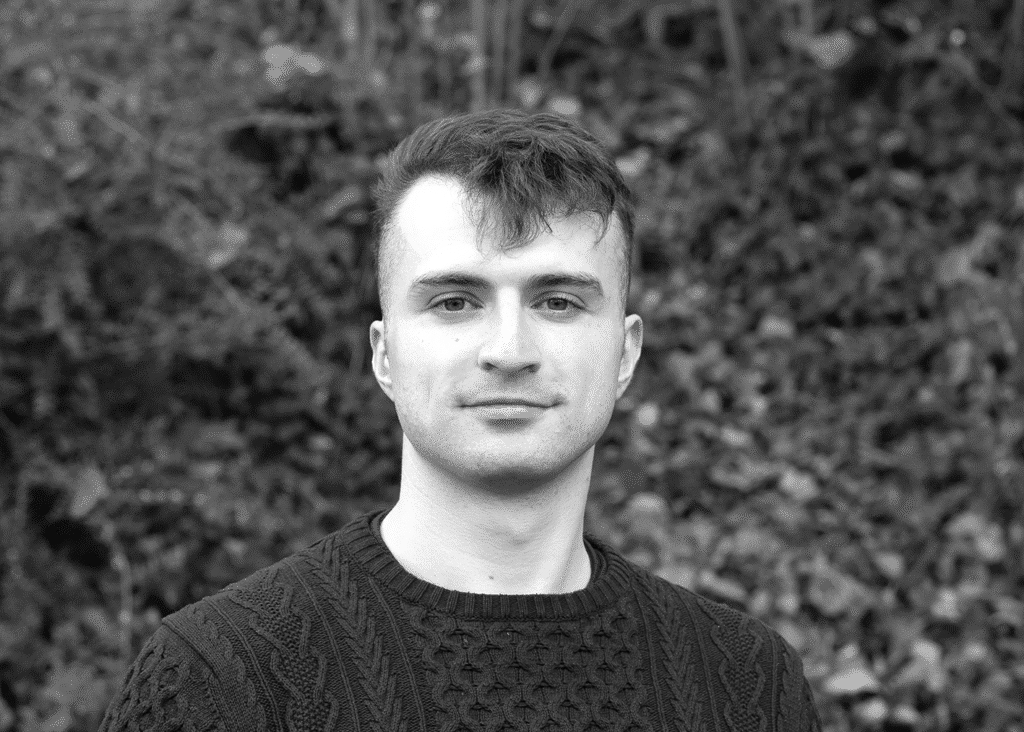
The myth of the fearless, unshakeable entrepreneur crumbles on closer inspection. What counts is not the volume of the voice or the pose, but restraint, humility and the ability to correct mistakes.
In the media, famous entrepreneurs such as Elon Musk, Jeff Bezos, and even Donald Trump are often portrayed as fearless visionaries: seemingly free of doubt, always determined, and above reproach. In these narratives, entrepreneurship is portrayed as a series of bold and visionary decisions, driven by unshakable self-confidence.
The interviews that the Schweizer Monat and Le Regard Libre The discussions held in recent months with established entrepreneurs from across Switzerland as part of the «Entrepreneurial Spirit» project paint a different picture: more subdued. More down-to-earth.
Read also | Dream job: «employee»
Less glamorous, but more down-to-earth. Entrepreneurship is not portrayed here as a stage for heroes, but as a constant struggle with uncertainty, mistakes, and one’s own limitations—and as an attempt to gradually earn one’s freedom. It is striking how unspektakulär the interviewees describe their roles.
Christoph Landolt, founder of the Biel-based physical therapy center Physiozentrum, established in 2011, sums up the situation as follows: «An entrepreneur must have a keen sense of reality and good judgment. It is essential to understand the needs of the market and customers.» For him, self-doubt is not a weakness, but a tool for self-assessment. He constantly questions himself and his conclusions, which is precisely what allows him to remain open to learning. Successful entrepreneurs, therefore, do not seem to blindly trust their own genius. Rather, they are skeptical of their assumptions, constantly test them, and thus remain capable of taking action.
You learn by doing
A pragmatic approach is also evident in how they view knowledge. When asked whether one should do research before embarking on an entrepreneurial venture, some respond with a weary smile. Biographies and practical guides generally play a secondary role in their stories. Alessia Schrepfer, a nurse and founder of WeNurse, a Zurich-based nursing recruitment agency in the healthcare sector, openly states that she has never read a single entrepreneur’s biography. It’s by doing that you learn.
For Nicholas Hänny of the eco-friendly clothing brand Nikin, it’s important to get started right from day one, using occasional resources such as online courses, YouTube videos, or blogs. In his view, these resources should always be problem-focused and never used systematically. Books can be a source of inspiration, but the most valuable experiences ultimately come from starting your own business.
Entrepreneurship is a skill learned through experience. You learn by developing products and services, losing customers, misjudging markets, and getting closer to reality with each new attempt. It also involves knowing how to handle failure. No interview mentions the story of a brilliant idea that just works. On the contrary, entrepreneurs recount a series of trials, errors, and adjustments.
Read also | «Anyone can become an entrepreneur»
Pascal Meyer, founder of the e-commerce platform QoQa, based in Bussigny (VD), says that he and his colleagues now approach projects «completely differently» ever since they made the mistake of launching an entire promotional program for Swiss and European wines to expand their presence abroad, only to realize later that there wasn’t enough demand. «We hadn’t thought our concept through to the end,» says the native of the Jura region.
«A few years ago, we hired someone for a management position, but his qualifications ultimately proved to be inadequate, explains Aurélien Demaurex, co-founder of Ecorobotix, a startup based in the Canton of Vaud that specializes in precision agriculture. Over time, I’ve learned that you have to be able to recognize very quickly when a collaboration isn’t working, before the problem takes root. Those mistakes leave their mark, but they also serve as a reminder that a company’s success depends above all on the people who make it up.»
Combined with Christoph Landolt’s concept of “productive doubt,” a clear pattern emerges: entrepreneurship is not a single act of courage, but a continuous cycle of decisions, evaluations, and adjustments. Courage lies in constantly exposing oneself to this cycle. Nicholas Hänny, moreover, distinguishes between rapid failure and slow failure. A mistake corrected after two weeks is acceptable. It only becomes problematic when it drags on for months.
«If you don't do the work, no one else will.»
The theme of freedom is a deeply personal one. For many, it is the true reason that drives them to start their own business. Alessia Schrepfer, for example, describes herself as «extremely freedom-loving» and her outlook as «very liberal.» She believes that Switzerland has a wonderful entrepreneurial culture that fosters freedom and innovation. Her transition from the highly regulated healthcare sector to entrepreneurship represents, for her, a break from structures she found restrictive. Others, however, put the romantic idea of radical self-determination into perspective.
Delia Hager is a co-founder of JobEagle, a Lucerne-based platform that helps companies present their job openings in an appealing and authentic way. She warns against overestimating the freedom that comes with being an entrepreneur: while you can certainly organize your day differently, «if you don’t do the work, no one else will.».
Read also | Entrepreneurs are freer people
For Nicholas Hänny, freedom is inseparable from economic success: one must generate enough profits to be able to invest and have sufficient financial stability to be flexible with one’s time. The interviews show that freedom is not a starting point for entrepreneurship, but rather a guiding principle. It must be earned and constantly defended.
What’s striking is what’s missing from the interviews: the myth of the lone founder. Instead, it’s the teams, co-founders, and networks that take center stage. Alessia Schrepfer emphasizes the importance of strong relationships within the founding team. Overcoming crises together is a key factor for success. Nicholas Hänny also mentions mentors: many are willing to help if asked in a targeted way. He himself had underestimated this aspect at first. Entrepreneurship is all about relationships: trust within the core team, the ability to delegate responsibilities, and a willingness to be challenged by outside perspectives.
What the Next Generation Should Know
What advice do these entrepreneurs give to young people thinking about starting their own business? Well, the idea needs to be carefully thought through, but without overanalyzing it. A good team is more important than a perfect presentation. Interpersonal skills—such as the ability to manage conflicts, communicate effectively, and make decisions as a group—matter more than individual excellence.
Alessia Schrepfer advises choosing co-founders with whom you’ve already weathered difficult situations. The more innovative the idea, the more important it is to have a complementary team. Nicholas Hänny encourages people to start their own startups, while recommending that they seek advice early and often, rather than trying to do everything on their own out of pride. «You have to follow your instincts, ignoring the people around you who say it won’t work, while still listening to more constructive feedback,» adds Pascal Meyer.
These discussions thus paint a picture that bears little resemblance to common myths about entrepreneurship. Entrepreneurship is a field reserved for those who are willing to live with uncertainty, learn from reality, and not just demand freedom, but take it—without going it alone.
Journalist and political scientist, Michael Straumann is an editor at Schweizer Monat.
You have just read an open-access article from our print edition (Le Regard Libre special issue N°7). Debates, analyses, cultural news: subscribe to support us and access all our content.

You'll also like


 French
  German
  English
Leave a comment