



Endangered wildlife, infected humans
Le Regard Libre N° 34 - Hélène Lavoyer
The publication of a study on the flying insect population by the scientific journal Plos One is creating a wave of concern. The figures announced in mid-October are alarming, and the dangers for wildlife and mankind are considerable. Once again, massive farming and the chemicals used by some farmers are being singled out for criticism.
Insects, which appeared on earth during the Lower Devonian ranging from -418 to -359 million years ago, have survived climate change and continued to exist down the ages. Many species in this class are now threatened by human activity.
The main roles in a complex piece
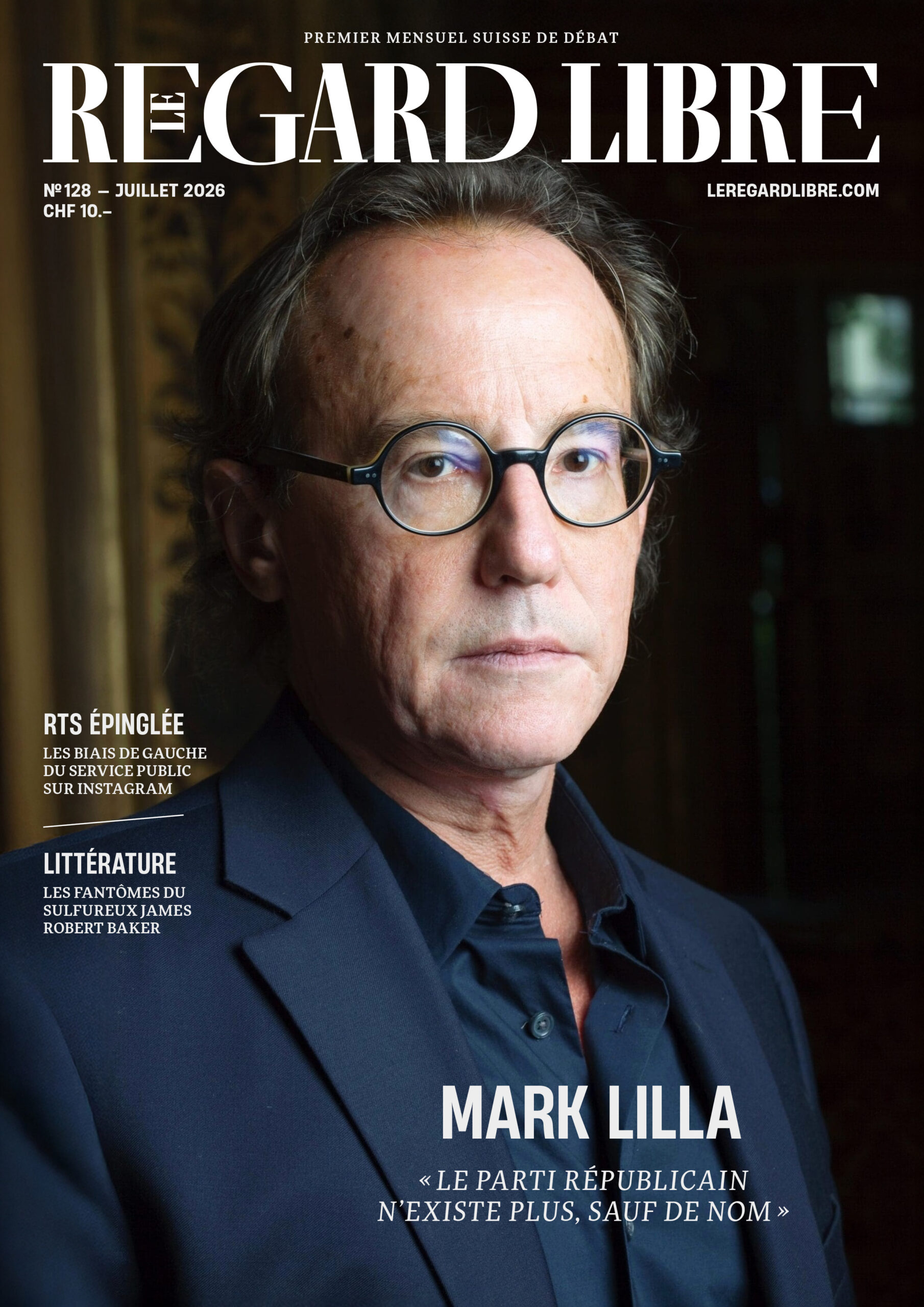
Flying insects like bees and butterflies, which move from flower to flower, pollinate 80% of plant species. They are also the main source of food for 60% bird species. Scientists fear that their disappearance would lead to a cascade of others. If we had to draw up an exhaustive list of the roles played by our four-winged friends, it would be a long one.
The hoverfly is a good example of efficiency: a highly productive pollinator, this animal lays its larvae on plants beset by aphids so that they can feed on them. Importantly, their instinct is to do what we can't do as well, and to the same extent.
Our results document a dramatic decline in flying insects, from an average of 76% to 82% in midsummer, in German protected areas over just twenty-seven years«. Although the data was collected only in Germany, the practices responsible for the problem are common to almost all European Union countries, such as France to name but one.
Massive agriculture, but not only
To claim that farmers alone are responsible for the carnage would be to completely misunderstand the subject. It's true that farmers must now face up to the fact that they are spreading herbicides and insecticides that are harmful to humans and their environment. However, the pressure on farmers is enormous: they need to produce more to meet demand, without competition crushing their work.
For homeowners who have been using harmful products for many years, switching to organic farming represents a waste of time and money - not to mention the fact that it would take several years to reconstitute relatively healthy land from fields left fallow.
In the background, other players emerge: the guilty but powerful companies (like Monsanto, since the name always appears), but also the consumer, who holds the power of demand without being its master, but who prefers to forget.
Yet human beings of all social classes suffer the consequences of this comfort-driven behavior. The financial aspect can also be an obstacle, although this can often be overcome with a little conviction.
Other hypotheses?
While the chemicals glyphosate, metolachlor and atrazine have infiltrated a variety of foods (almonds, wheat, oranges, soy), scientists have not been able to pin the blame solely on pesticides and mass farming.
The causal link seems more complex, and a host of other factors could come into play. However, some possibilities have been ruled out: the disappearance of this huge percentage of species, for example, does not depend on global warming.
What are the solutions?
Vincent Bretagnolle, director of research at the CNRS (French National Centre for Scientific Research), puts a smile on your face in an interview with the media. franceinfo. He declares: «What makes me optimistic is that we have identified solutions: we are demonstrating that it is possible to reduce the use of inputs. But I wonder about the willingness of institutions to apply these methods.»
Following this statement, he reminded us that consumers have the means to exert pressure to get farmers to ban dangerous products. In France today, the law stipulates that companies marketing products that are subsequently banned can still sell their stock. The same applies to farmers. Wouldn't it be wise, when dealing with such threatening products, to apply a total and sudden ban?
Actions aimed at young farmers could, for example, teach them the usefulness of flying beasts. Mr Bretagnolle points out that an increased turnover of 25% for rapeseed and sunflower crops is achievable. The attractiveness of organic crops in the countryside as well as in towns, and the growing interest of certain groups, is an opportunity to evolve and find solutions that are viable in the long term.
Write to the author : lavoyer.helene@gmail.com
Photo credit: © Deraking
You'll also like

 French
  German
  English
Leave a comment