




«Le Misanthrope», a bitter comedy
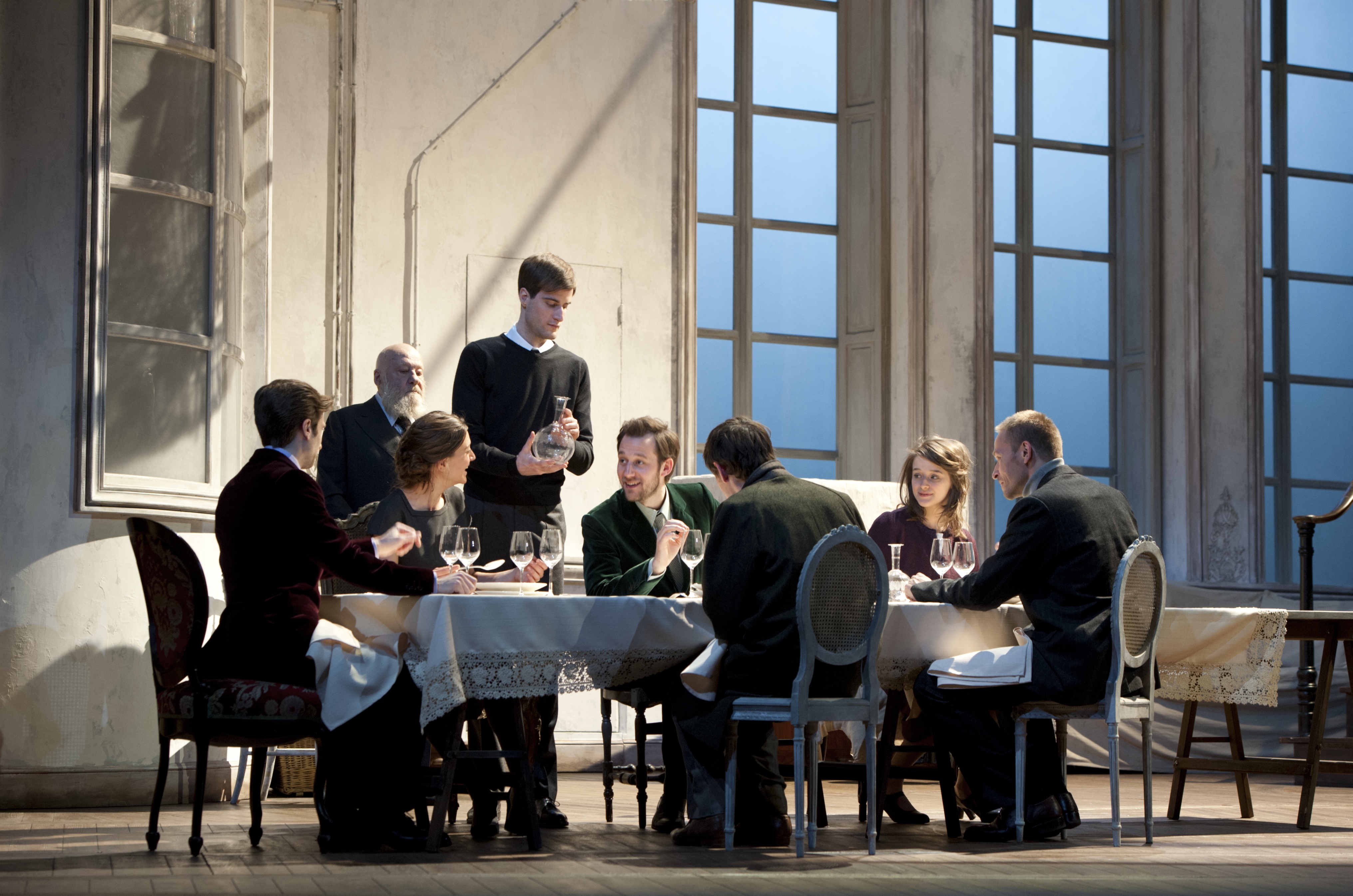
Theatrical walks (6/6)
Le Regard Libre N° 19 - Loris S. Musumeci
«ALCESTE. I want one to be a man, and that in every encounter
The depths of our hearts show in our speeches
Let him do the talking, and let our feelings
Never hide behind vain compliments.»
It would have been a shame not to find a place for the inimitable Molière in at least one of the episodes devoted to the art of theater. So here I am with The Misanthrope, a masterpiece presented at the court of the good King Louis in 1666. But what a strange play! We don't know whether to laugh or to worry. The elements of ridicule are carefully blurred, to make way for more serious questions, such as the measure of honesty, the value of friendship and proper social behavior.
It seems superfluous to recount the plot of Molière's great classic over and over, again and again. For those who have forgotten something from their school days, The Misanthrope tells the story of a true misanthrope, in thought and deed: Alceste. Alceste lives in a society more worldly than society itself, where the cute, respectful compliment still has its place, where betrayal is a custom, backbiting a game and smiling a mask.
It could all work out this way; worldlings, constantly mocking and feigning others, possess the noble and ridiculous ability to live together quite contentedly. Alceste, however, hates the worldliness in which he lives, and never fails to respond poorly to his ambassadors. Think of the anguish in Act I when he declares, not without previous restraint, to the precious Oronte, who comes to present him with some pompous sonnet composed by himself, that «Frankly it [the sonnet] is good to put in the cabinet. / You have set yourself on wicked models, / And your expressions are unnatural.» The fact remains that this same Alceste, the honest and brave one, loves and consorts with the vilest of socialites, Célimène, with her many lovers. Despite the love and advice of his faithful friend Philinte, the protagonist eventually withdraws, alone, from this society he hates.
«May you, to taste true contentment,
One for the other to keep these feelings forever!
Betrayed on all sides, weighed down by injustice,
I'm going to emerge from an abyss where vices triumph,
And search the earth for a secluded spot
Where to be a man of honor is to have freedom.»
The misanthrope we meet in the play evokes different impressions: he's endearing, but can be repulsive in his self-importance; he's a pain in the heart, but some will say that if he's betrayed, it's «well done for him»: he has, after all, offended and vexed people with his unmeasured sincerity.
For my part, this ugly duckling moves me with its demand for truth. But he also irritates me with his lack of delicacy. It's not enough to throw a bucket of reality in the face of the deluded, you also have to make that reality lovable; that requires diplomacy.
An Alceste is absolutely topical today. The Misanthrope is an eminently contemporary play, with its daring revolt against propriety. Between a «Mal aimé» à la Claude François, an honest reactionary à la Zemmour, a Finkielkraut who is stupidly described as unhappy, a rebellious Camus, a Simone de Beauvoir indignant about her condition as a woman, a Nietzsche who is criticized for being too crude, a Baudelaire who would say too much, there may be a little misanthrope crying out in everyone. And it may even be deeply healthy. We could move away from vain civility to rediscover the good sense of tradition and enter into a beautiful and just relationship with others.
Write to the author : loris.musumeci@leregardlibre.com
Photo credit: esprit-paillettes.com
Vous aimerez aussi



 French
  German
  English
Laisser un commentaire