




«L'hiver du mécontentement»: an artificial Interallié award
An overview of some of the major literary prizes - episode #
Le Regard Libre N° 48 - Loris S. Musumeci
«Fear. This is proof of England's weakness. If you're afraid of your own poor, your own children, it's because you're very weak yourself, that you feel very vulnerable, like a frail little mammy, bent over her cane, on a bit of sidewalk, at school leaving time as if in the middle of a hurricane. England is a little old lady with no strength left for anything. England is hard on the decline.»
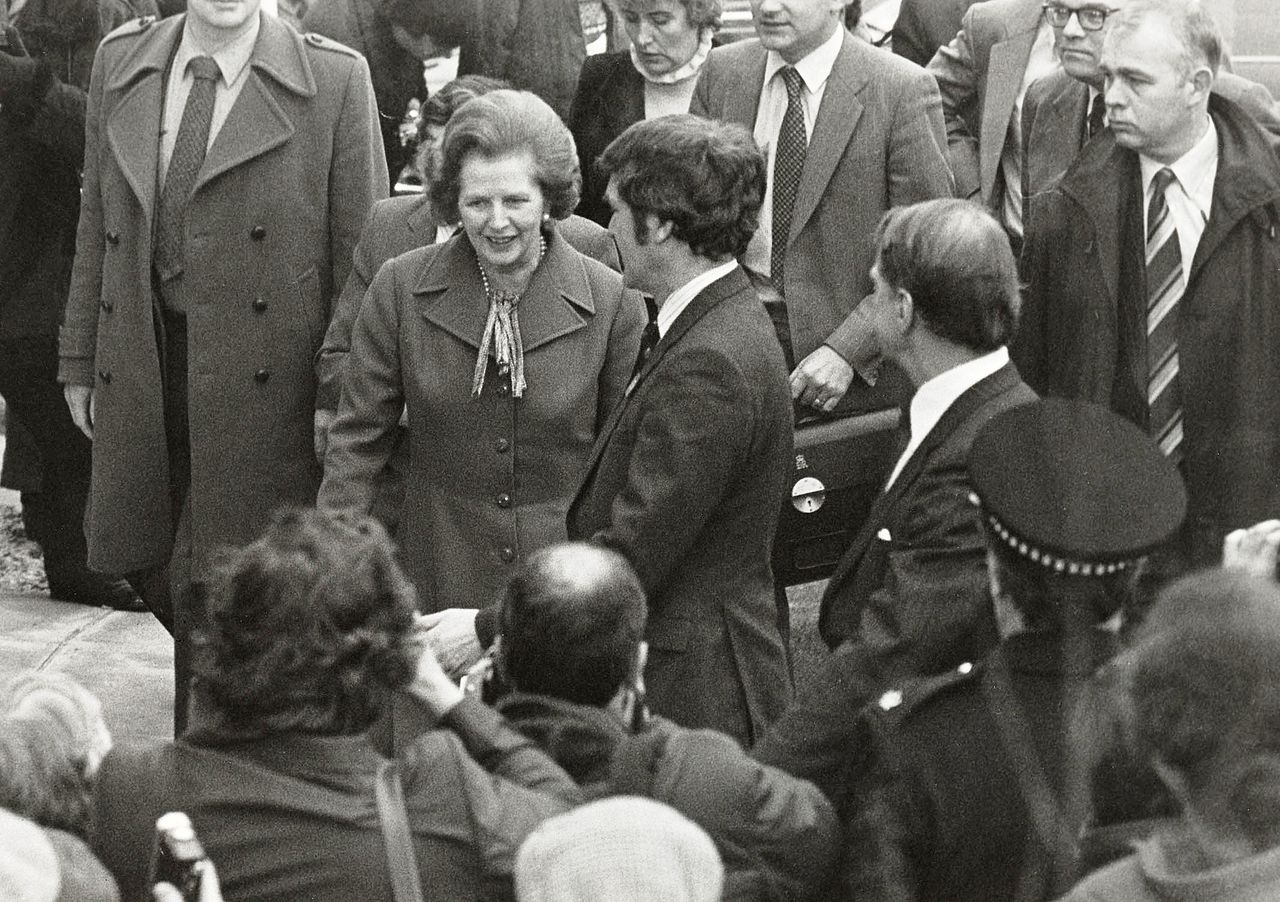
Candice prepares with her troupe of young girls Richard III by Shakespeare. «Here comes the winter of our discontent», the first line of the play, which resonates strongly with current events. It's the winter of 1978-79, in Great Britain. And it's total crisis. Unemployment, strikes and the despair of a people who can't take it anymore. A certain Margaret Thatcher comes to power, having taken diction lessons in the same theater where Candice was rehearsing the play. The young girl had met the woman who would become «the Iron Lady» on these occasions, and the current had not gone down well. Was this premonition?
The novel is not unpleasant to read, although its style is rather flat and too academic. Nor is the story uninteresting. It allows us to discover or rediscover this winter of crisis in Great Britain through the eyes of the main character, Candice. But apart from that, there's not much. Or anything trivial. The small life of the young and beautiful Candice doesn't excite. The narrator's statements flirt endlessly with banality, with a few exceptions.
«No future,» was their slogan. They didn't give a damn. We could still dance and have sex, drink cheap beer, at worst there were other cheaper places, at worst we'd go around the world - No future."
Okay, that's good. Youth is beautiful, but we oppress it. We oppress them and they don't care. They don't care, and neither do we. Frankly, without holding a grudge against Thomas B. Reverdy, who was undoubtedly trying to express something profound, we can only say that this book doesn't fly very high. Even if it does have its faults. With all due respect, it might be better to classify it as teen literature, which would be more concerned with Candice's life and false revolts.
Also, the initial idea is very good. Placing a Shakespeare play alongside the story of a young actress firmly rooted in her time could yield excellent results. Unfortunately, the author doesn't really know how to play with the two dimensions of his novel. Or at least, if the play and the story of the winter of 1978-79 are properly articulated, they leave far too much to be seen of Thomas B. Reverdy's construction work behind. It's a pity, because it gives the whole work an artificial air.
Artifices that can be found in the titling of the chapters, all of which bear the names of songs by major English bands. Maybe they'll speak to those who know them. Those who know them will be able to weave a link with the chapter's content. For the rest of us, the titles remain mysterious, and the desire to decipher them is weak. Another passage that smacks of artifice from a mile away: when, for each letter of the alphabet, the writer gives a word more or less cleverly linked to current political events. Again, not a bad idea, but at best it can give teachers ideas for games to play in French class. Yet another artefact is the evocation of a rape, which has no place here.
Nevertheless, to end on a good note, it must be said that the book does capture some of the dimensions of adolescence, especially when it comes to love affairs. Which puts a little balm on the lips; because discontent is cold, like winter.
«It's not that hard to do what you want with a good man,» she says, "you just have to promise some. It's not just a matter of letting him do it, it's not that simple. Nor is it about pretending to be in love-that's good for kids. No, you have to do it on purpose, not just pretend. At the moment you choose, with the guy you want, offer yourself on purpose and let him think he owns you."
Write to the author: loris.musumeci@leregardlibre.com
Photo credit: © Wikimedia CC

Thomas B. Reverdy
Winter of discontent
Editions Flammarion
2018
215 pages
You'll also like




 French
  German
  English
Leave a comment