




Simon Liberati, the least rock performance of the year?
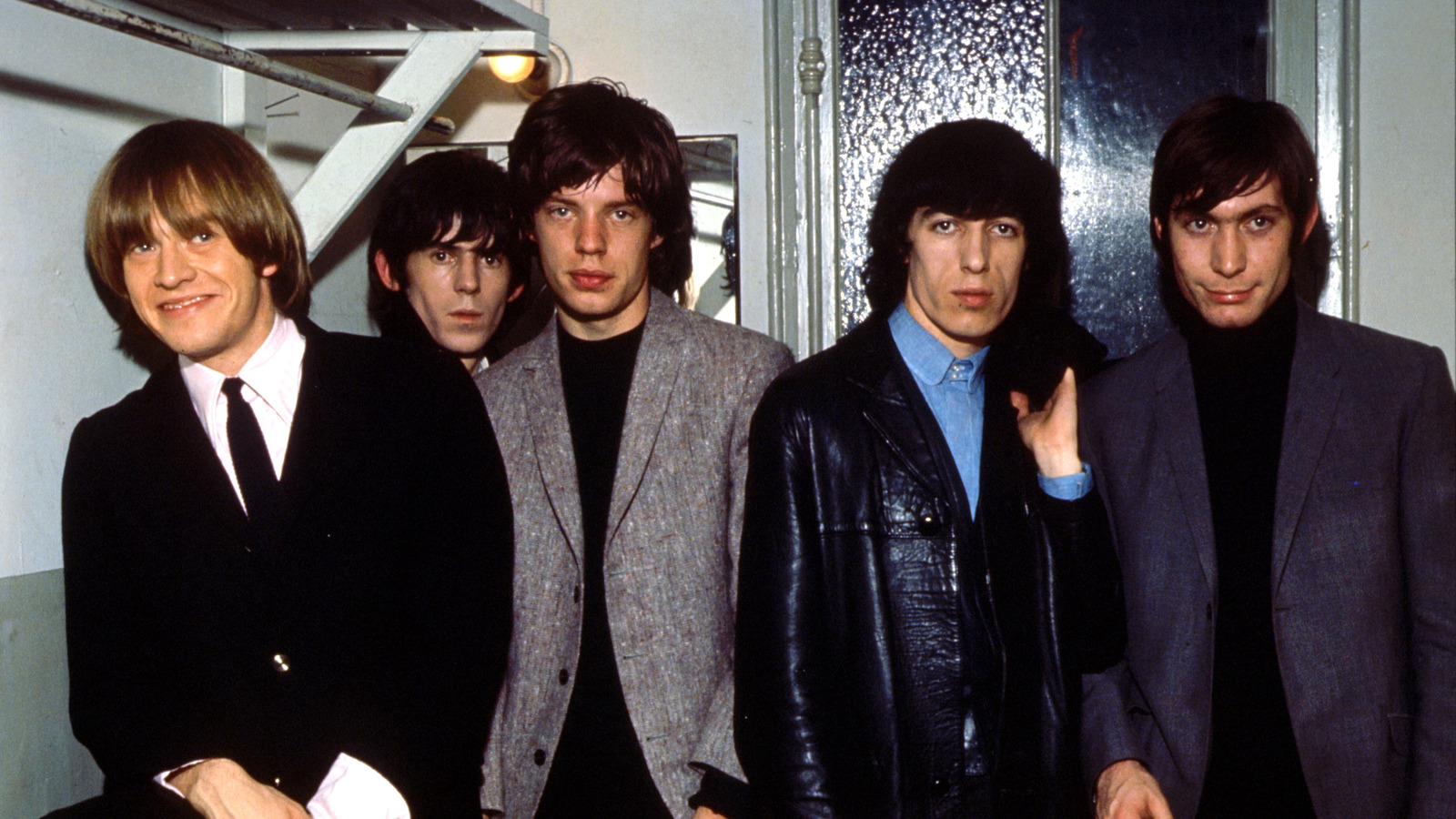
Performance tells the story of a writer in decline, hired to write the script for a series about the Rolling Stones. But the narrator loses his way, mixing the setbacks of his married life with his research. The sixties finally buried?
When one of the writers best known for tackling the most subversive subjects of this century takes on the Rolling Stones, we can expect a true literary performance, already acclaimed in 2022 with the Prix Renaudot. The author, Simon Liberati, is a journalist by trade, and well acquainted with the dark world that fiction has been trying to portray for almost fifty years. In Performance, in which the author presents his literary double, a septuagenarian writer in need of inspiration, who is asked to cover an episode in the life of the Stones and turn it into a series. The climax of the series is the death of Brian Jones in 1969. It's a job that won't be easy, as the hero soon comes up against the realities of present-day life...
Rolling stone
The book alternates between historical scenes, re-enactments planned by the narrator and marital episodes between the latter and Esther, a 23-year-old she-devil whom the writer tries to keep by his side. Only, the protagonist is an old man, incontinent, lost in an XXIst century.th century, which no longer opens the same doors for him as it did in his youth. Add to this the blank page syndrome he suffers from, and it's clear that chronicling the life of the band won't be easy for him.
If this starting point has already been seen a thousand times, it could have been used to offer a behind-the-scenes rereading of London in those years: which the book does, a little. But above all, the author could have proposed a real «rock» language. In the present work, the style is limited to long-winded sentences and anecdotes about an old earl trying to keep his latest companion, who happens to be his ex-wife's daughter, close to him.
«Even at the end of his rope, Brian Jones remained a ruthless, vivacious little brute, a fighting dog, a rolling stone. We shouldn't forget that, the 1960s were much more violent and destructive than today.»
A less complicated relationship than that of the group members
The relationship between the narrator and Esther is, however, quite beautiful. Of course, their romance suffers from the trope of the old scholar «educating» his muse with verses and literature from centuries past, but, what can you say, you can't remake Germanopratin writers. In fact, this romance plays out much better than that of the rock band members, who are portrayed as rutting beasts exchanging drugs and girlfriends with equal ease.
The many descriptions of these young stars are some of the most touching passages in the novel. When all the gunpowder is gone, you can feel the helplessness of these twenty-somethings who aren't even resourceful enough to treat a bout of bronchitis. The specter of Brian Jones hovers over the historical part of the story, without the character's «madness» coming to the fore - which makes him more puny than the image we've kept of him.
When fiction meets grim reality
When the author of these lines opens the book for the first time, he thinks he knows something of Simon Liberati and what this writer will offer us: quality historical work, raw scenes, but in keeping with the theme, and a touch of subversion. However, the sad reality is that the author's life quickly rubbed off on his novel. The result of a hybridization between the Rolling Stones investigation (which we believe to be the main story) and the narrator's life (which we imagine to be secondary), the plot is, in the end, in a mock autofiction, where the narrator's marital life with his former daughter-in-law turns out to be that of Simon Liberati's. What's the point, then, of mixing in this story of a screenplay to be returned, if it's only to deliver yet another tale of a complicated relationship set against the backdrop of a great generational divide?
In the final analysis, while some people (including the author of this review) will be delighted to know that an author outside the classical canon has been awarded a prize like the Renaudot, it's a shame to see that it's for a novel so thin on narrative and so pompous in style.
Write to the author: mathieu.vuillerme@leregardlibre.com
Photo credit: © DR
You've just read an open-access article. Debates, analysis, cultural news: subscribe to support us and get access to all our content!

Simon Liberati
Performance
Editions Grasset & Fasquelle
2022
252 pages
Vous aimerez aussi


 French
  German
  English
Laisser un commentaire