




Step by step
Le Regard Libre N° 7 - Soφiamica
Stufen
Wie jede Blüte welkt und jede Jugend
Dem Alter weicht, blüht jede Lebensstufe,
Blüht jede Weisheit auch und jede Tugend
Zu ihrer Zeit und darf nicht ewig dauern.
Es muss das Herz bei jedem Lebensrufe
Bereit zum Abschied sein und Neubeginne,
Um sich in Tapferkeit und ohne Trauern
In andre, neue Bindungen zu geben.
Und jedem Anfang wohnt ein Zauber inne,
Der uns beschützt und der uns hilft, zu leben.Wir sollen heiter Raum um Raum durchschreiten,
An keinem wie an einer Heimat hängen,
Der Weltgeist will nicht fesseln uns und engen,
Er will uns Stuf’ um Stufe heben, weiten.
Kaum sind wir heimisch einem Lebenskreise
Und traulich eingewohnt, so droht Erschlaffen,
Nur wer bereit zu Aufbruch ist und Reise,
Mag lähmender Gewöhnung sich entraffen.Es wird vielleicht auch noch die Todesstunde
Uns neuen Räumen jung entgegen senden.
Des Lebens Ruf an uns wird niemals enden...
Wohlan denn, Herz, nimm Abschied und gesunde!
Steps
Like every flower fades and every youth
Yielding to age, each stage of life blossoms,
In the same way, every wisdom and virtue
In its time, and should not last forever.
Every time life calls, the heart
Must be ready for farewells and new beginnings,
So that with courage and without mourning, he can take on other new obligations.
Likewise in every beginning dwells a charm
Who protects us and helps us live.
Serene, we must move from space to space,
Clinging to none like a homeland:
The spirit of the world doesn't want to bind or confine us,
He wants to elevate us step by step, to enlarge us.
No sooner have we become intimately accustomed to a circle of life
The threat of slacking off.
Only he who is ready for departure and travel
Can escape this paralyzing habit.
Maybe it's even time to die
We'll be sending young people off into new spaces.
The call of life will never stop for us...
Come on, sweetheart, say your goodbyes and get well!
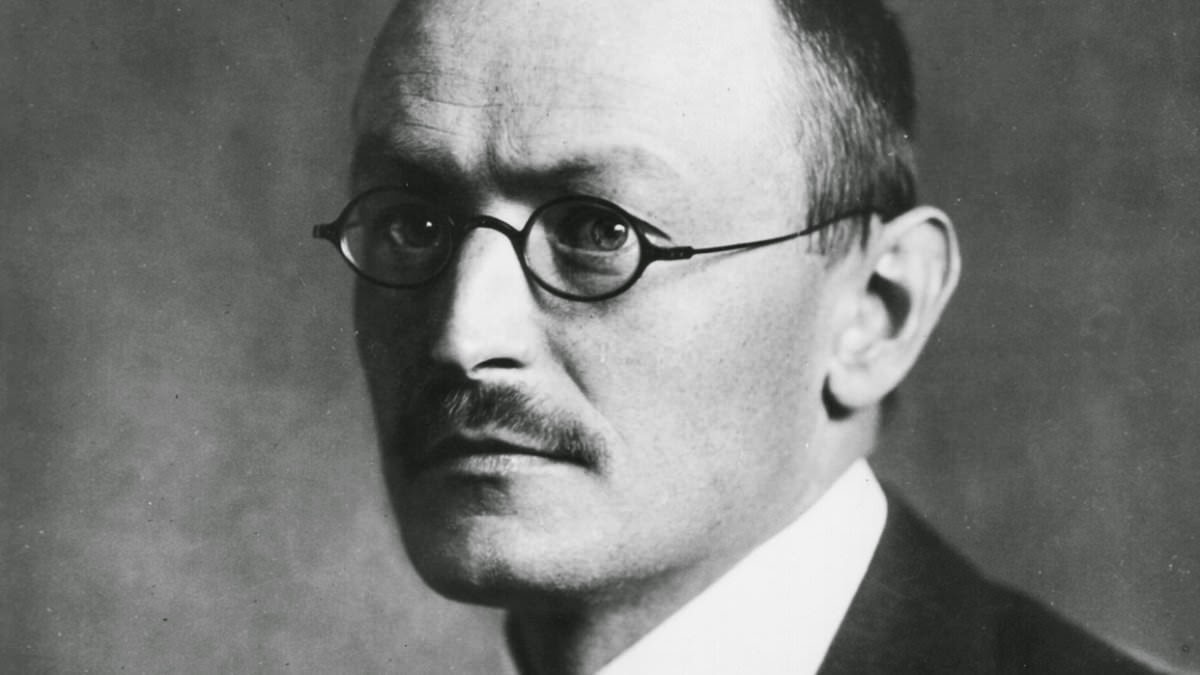
Hermann Hesse is a German author born in 1877 to parents who had been missionaries on the Indian continent and had recently resettled in Germany. His eventful childhood was marked not only by frequent moves, but also by several crises and depressions due to his bipolar disorder. At the age of 18, he learned the bookseller's trade and developed a deep knowledge of the classics, such as Goethe and Schiller, with a preference for Romantic authors. From then on, he began writing - first short poems, then collections of prose - which initially met with little success, before becoming one of the most renowned authors after the Second World War.
Hesse is known for his outspoken denunciation of the excesses of Nazism, which led to the censorship of some of his books and placed him at the center of political quarrels in which he was attacked by the press. His work, inspired by Romanticism, deals mainly with the human being oppressed by the excessively narrow mold of the society in which he lives: it also deals with the quest for identity, the meaning of life and spirituality. There are many autobiographical elements: questions of faith, both religious and intellectual, the search for self and the great existential questions that Hesse was to face throughout his life.
Written in 1941, Stufen, initially Transzendieren, is Hermann Hesse's best-known philosophical poem, and an excellent example of his wisdom and metaphysical depth. At first glance, its content may seem pessimistic, even defeatist: it's about transience, death, life without landmarks or points of attachment. But Hesse said:
«The role of pain, disappointments and dark thoughts is not to embitter us, to make us lose our value and dignity, but to mature and purify us.»
This text is an immense exhortation to live and accept one's destiny, and above all to accept change, which on the face of it seems trivial, but is in fact one of mankind's greatest problems. Life unfolds stage by stage, each bringing its own share of wisdom and experience. Growing old is not a bad thing: each age is prolific, bringing something more than the previous one and making our perception of life different. There's no need to fear death: it's not the end of existence, but the beginning of another, or rather the passage to a higher stage. If this theory seems right for the broad outlines of life, it makes all the more sense in everyday life. Remaining attached at all costs to trivial things, to superfluous comforts, to a well-defined framework of life, often only serves to lock us in and drive us to idleness. Hesse's solution lies in action: we mustn't be afraid of upheavals, of future ruptures, such as the end of schooling - a nod to future maturists - of a profession, of a relationship etc... We must courageously bid farewell to the past and, smiling, risk the gamble of a new beginning: to leave, to travel, to learn, to meet! Because life itself isn't about shrinking backwards: it's about expanding step by step.
This philosophy is wonderfully optimistic. As the author so aptly puts it, the call to life will never cease: we could therefore feel sorry for ourselves and our slow decay, but Hesse turns the situation on its head, and only encourages us to lead a growing existence which, little by little, by deepening each event, living each moment to the full and changing our view of things, becomes infinite.
Now it's up to us to change.
Food for thought.
Photo credit: © Blogspot
You'll also like




 French
  German
  English
Leave a comment