This week, Regard Libre publishes a special report on the current state of liberalism, looking at the thinking of the great authors who have left their mark on this philosophical, political and economic movement.
The idea that knowledge is never definitive has been distorted, paving the way for truths falsely described as alternatives. Could the acceptance of permanent questioning, based on the dialectical construction of truth, offer a way out?
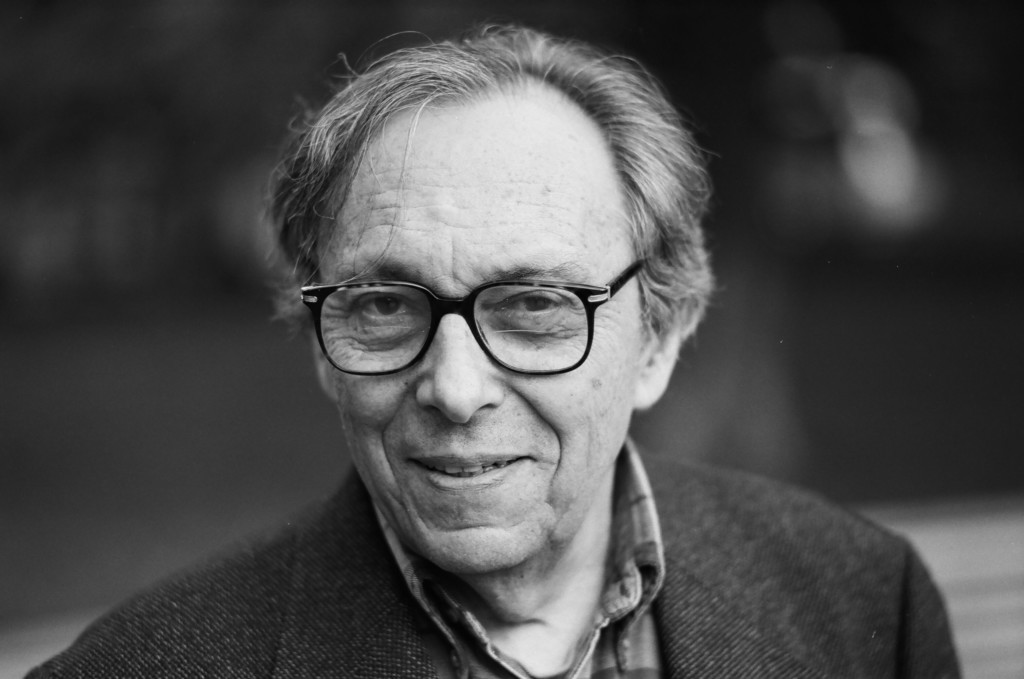
LONG FORMAT ARTICLE, Eugène Praz | In his essay Action et réaction. Vie et aventures d'un couple (1999), originally composed but of firm intellectual rigor, Swiss literary critic Jean Starobinski revisited the concepts of action and reaction, and showed how they have served in the history of ideas, whether scientific, medical, psychological, literary, philosophical or political. The final chapter was devoted to their political aspect. It's worth coming back to it today, because in addition to serving as an illustration for Alain Badiou's Abrégé de métapolitique, published a year before Starobinski's essay, it demonstrates the easy handling, especially in politics, of the terms action, or progress, and reaction, and that nothing is more misleading than words of such generality. What's more, they encourage a tendency to split any political subject in two, always with a few nuances.





 French
  German
  English