After the First World War, many aristocratic houses were forced to join forces with members of the upper middle classes in order to survive. Their relationship to money underwent a profound change. Many of them are now successful businessmen.
The West is not alone in having practiced slavery: the whole planet has done so. Europe and the United States, however, are the only countries to have fully recognized it. Here are seven facts about slavery that are generally overlooked in the media and textbooks.
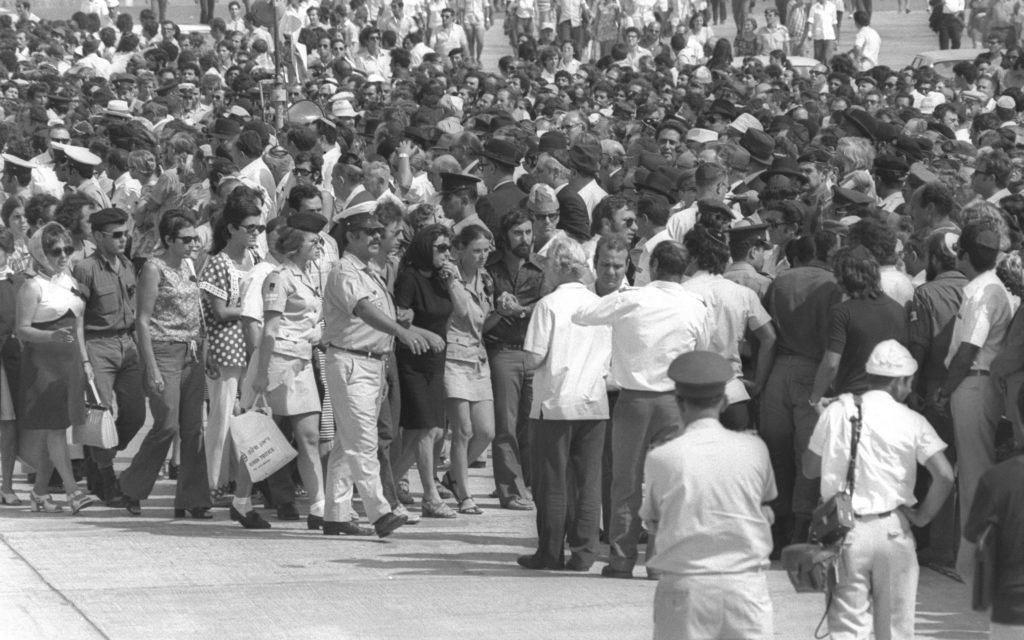
On September 5, 1972, eleven Israeli athletes were murdered during the Munich Olympic Games, against the backdrop of the Israeli-Palestinian conflict. A look back at a tragedy that has become part of our collective memory.
The idea that knowledge is never definitive has been distorted, paving the way for truths falsely described as alternatives. Could the acceptance of permanent questioning, based on the dialectical construction of truth, offer a way out?
Since Russia's invasion of Ukraine, interest in military issues has grown, including in Switzerland. This is an opportunity to take a closer look at the history of the Swiss army and the way it has reconciled military objectives with democratic imperatives. A book invites us to do so.
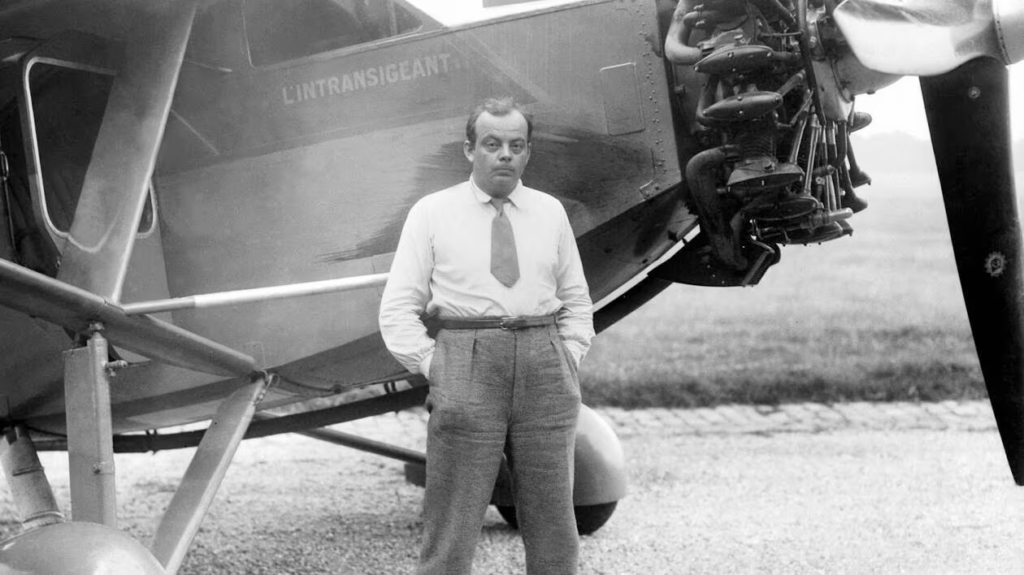
All they did was deliver mail by air, but they became heroes. Here's a look back at l'Aéropostale, a human adventure of glory and death.
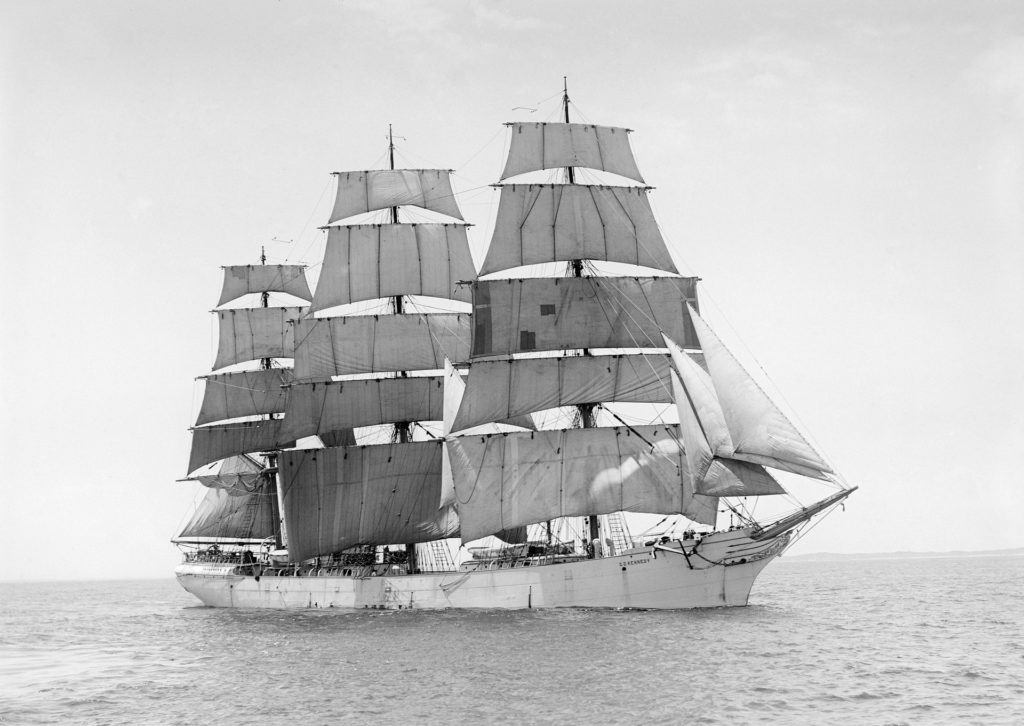
Of all the boats designed for long ocean voyages, three-masters are among those that have left the strongest mark on the common imagination. Here's an attempt to explain why.
A tireless traveler, the Austrian writer marveled at the plurality of cultures. Even at the dawn of the 20th century, he was prophetically fearful of their standardization.
Each month, we feature a column by one of the personalities who give us the pleasure of alternating between the two. Current affairs, history, politics and philosophy: former Federal Councillor Pascal Couchepin's readings.








 French
  German
  English