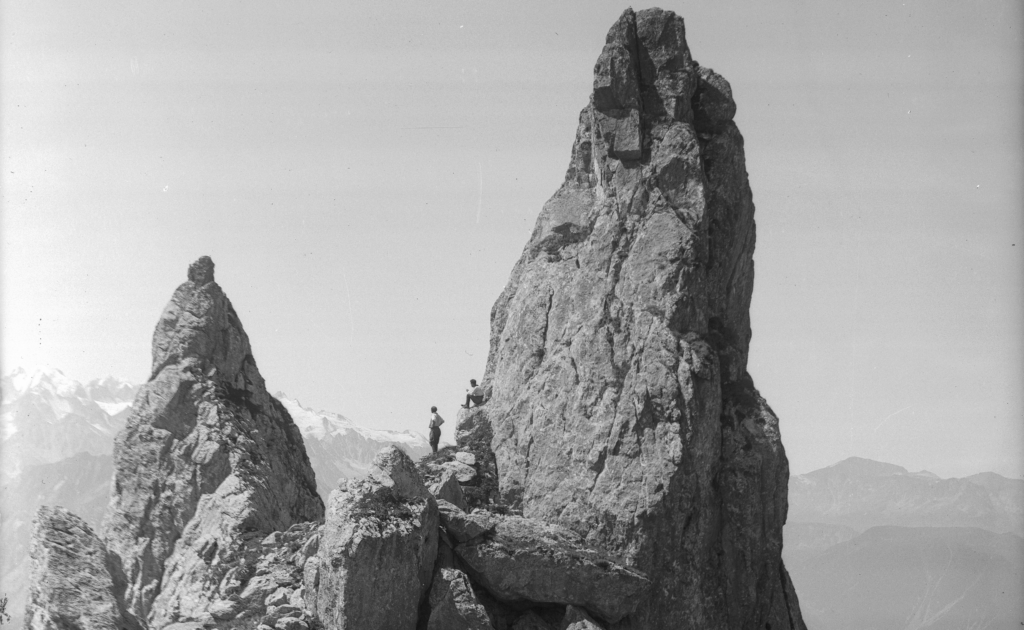
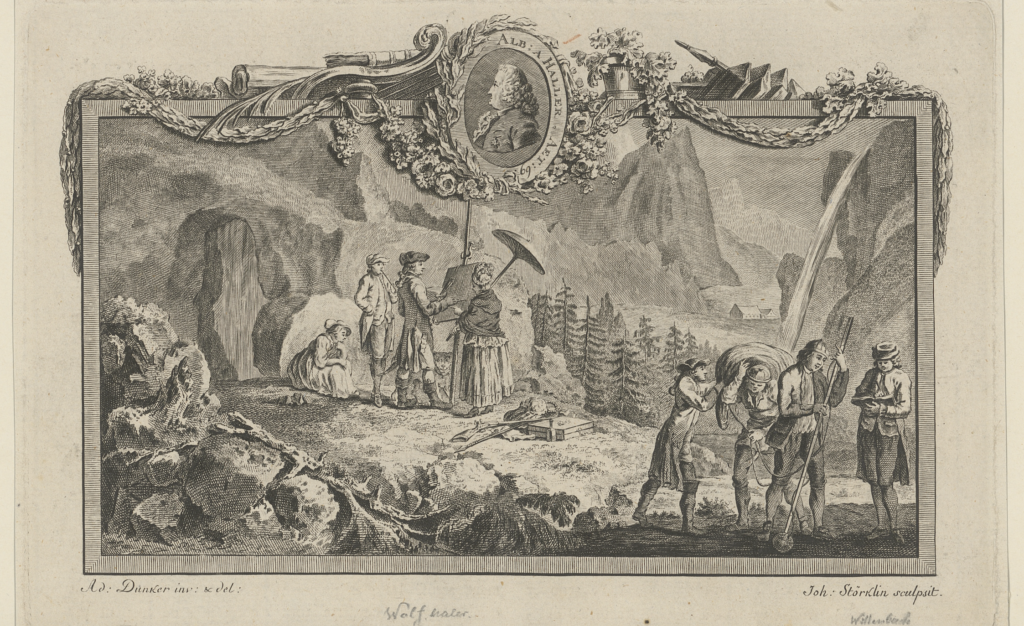
In the 18th century, the Alps ceased to be a mere obstacle or backdrop to become a veritable European myth. According to Professor Claude Reichler, literature provided the basis for this rediscovery, in which the mountains became a refuge from modern upheavals.
Literary dandyism, an elegant insurrection against the trivial, has found a figure in French-speaking Switzerland: Florian Eglin, a punchy aesthete.
Les liens entre l’écrivain franco-suisse et sa ville d’adoption ont toujours été complexes. Un ouvrage rappelle toutefois le rôle important que la cité de Calvin a joué dans la vie de l’auteur de «Belle du Seigneur».
Imagination is a fertile breeding ground from which the most diverse branches escape. Marie Mangez's and Benjamin Stock's novels, both of which came out at the start of the new literary season, deal with the slippage of fiction into our lives, with quite opposite follies.
With «Ce qu'il reste de tout ça», Fanny Desarzens paints a gentle, sensitive portrait of an ordinary family in the French-speaking part of Switzerland during the "Trente Glorieuses".
The couple, both anchor and vertigo, mirror of a changing society. In his new novel, Nathan Hill reveals the raw beauty and searing flaws of this timeless institution.
The latest novel by Swiss writer André Durussel, published in Le Regard Libre throughout 2024, continues and concludes.
Popularized under the pseudonym L'Odieux Connard, Julien Hervieux claims the slogan «Qu'il est bon d'être mauvais!» ("It's good to be bad!"). In his new book, he dismantles with relish the greatest villains of all time.
Pauline Toulet delivers an eccentric first novel, critical of the literary world and centered on an eccentric character, more interested in marabouts than his time. But it failed to captivate me.









 French
  German
  English