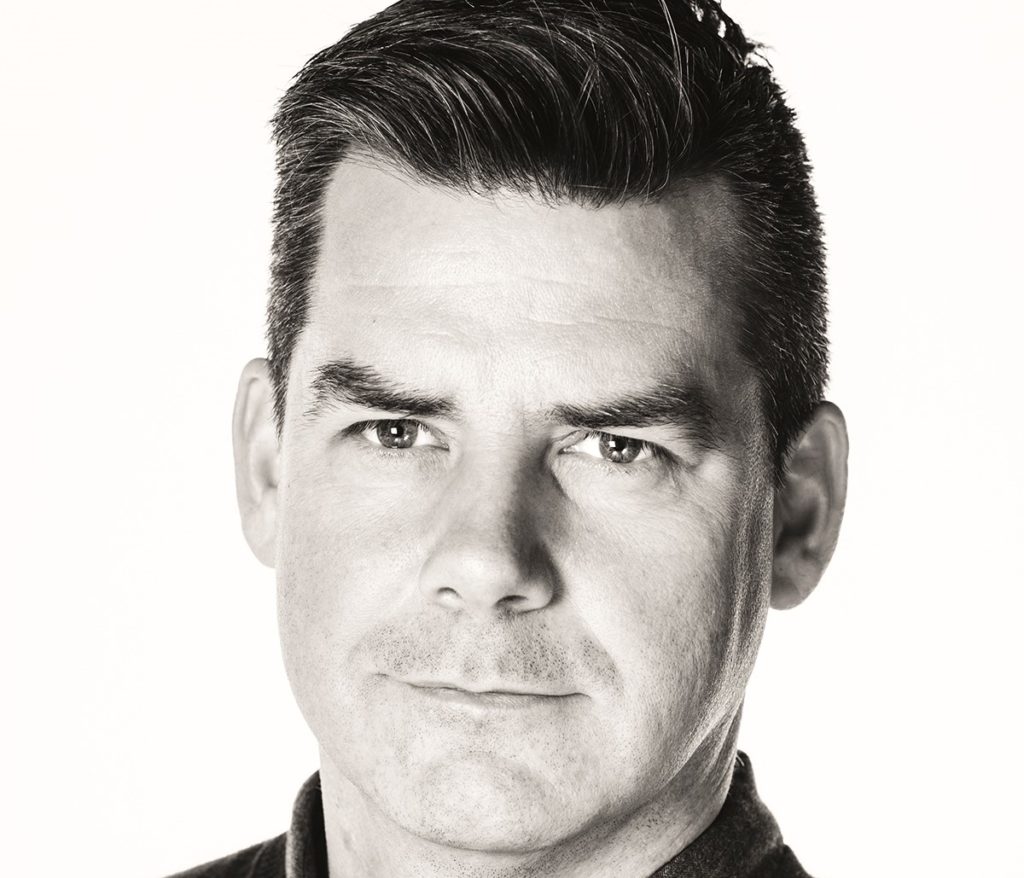
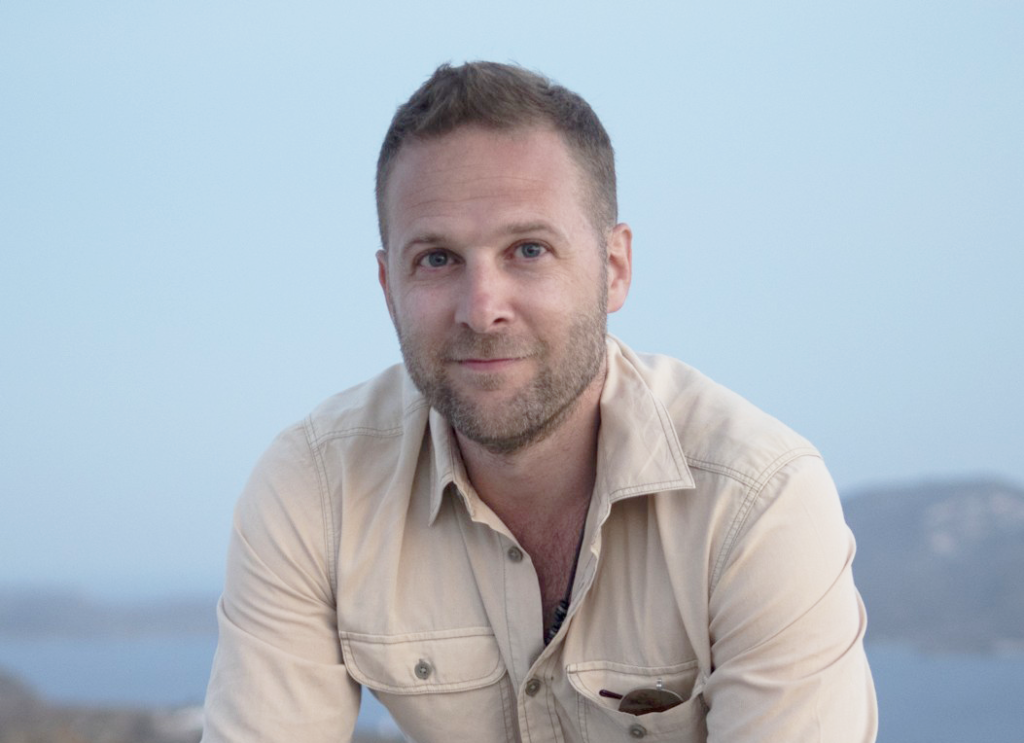
In this article, freelance motoring journalist Gil Egger denounces the political obstacles to what he sees as an «instrument of our progress».
The Iran-Israel crisis has revived an old Western temptation: regime change. The illusion of immediate political transformation, however, runs up against the fact that regimes come and go, while peoples, their history and culture remain.
According to David Betz, professor at King's College, the West has crossed a critical threshold: the weakening of political legitimacy, the fragmentation of identities and the loss of social cohesion are all factors in future violent insurrections.
While governments dream of digital currencies, Switzerland can shine in other ways. Stablecoins issued by private players offer more freedom and decentralization than an e-franc driven by the National Bank.
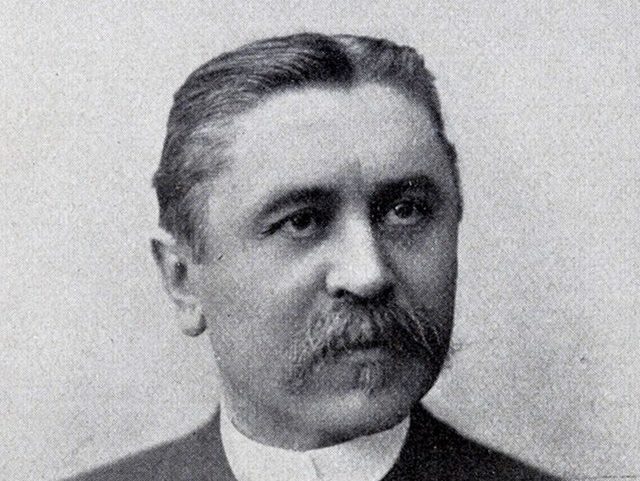
A recent book by historian Olivier Meuwly invites us to take a closer look at this Neuchâtel native, who was elected to the Swiss government at the age of 31. An inspiring figure in his own right, this radical who became a liberal-conservative over time retains an air of mystery about him.
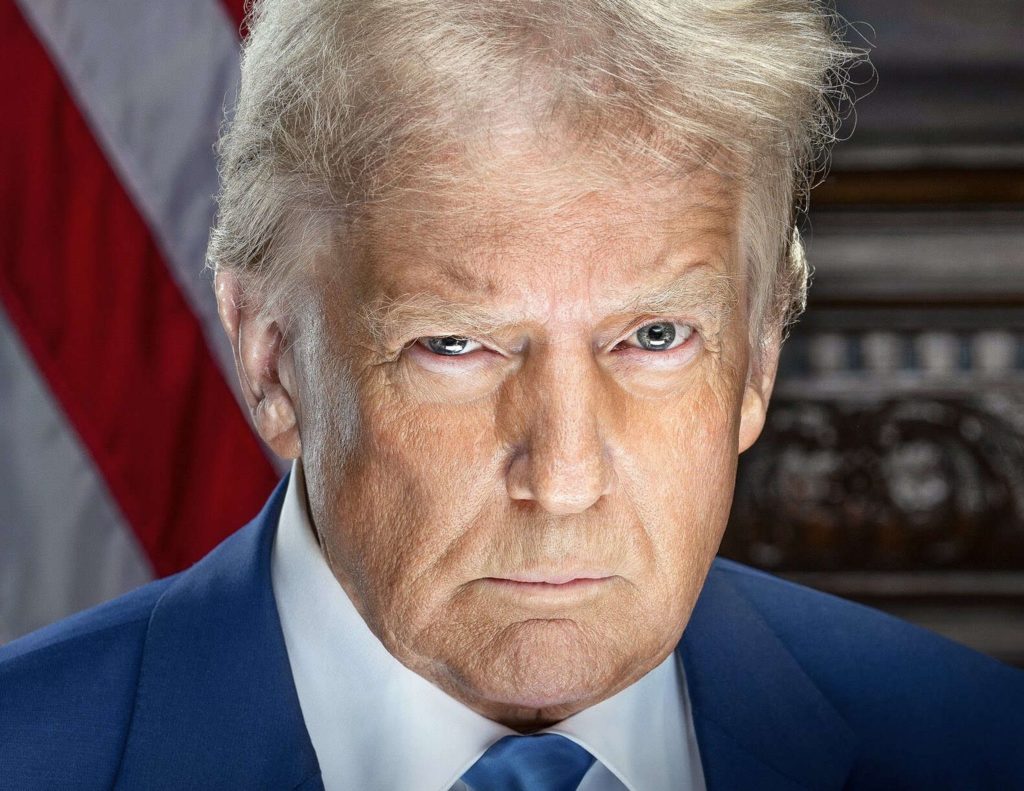
Professor at Pasadena City College in Los Angeles, Edward Feser is a conservative American philosopher. Recently, on his blog, where he regularly comments on current affairs, he was highly critical of Donald Trump's expansionist ambitions.
These two seemingly unrelated tragedies, on different scales, reveal the same mechanism: each political camp selects the facts that confirm its beliefs - an old reflex. What should worry us is the disappearance of confrontation between these opinions.
Under the guise of inclusion and social justice, universities too often sacrifice scientific rigor to ideology. According to historian Olivier Moos, this drift compromises its primary mission: to shed light on reality rather than to serve causes.
Dans sa chronique, l’ancien conseiller fédéral partage une lecture qui l’a marqué. Ce mois-ci, il commente l’article d’une revue jésuite...









 French
  German
  English