




«Marriage Story», the story where love is conspicuous by its absence

Saturday Netflix & chill - Lauriane Pipoz
You may have already heard of Marriage Storyavailable on the Netflix platform since the beginning of December after a short theatrical run, the latest film by Noah Baumbach, the companion of Greta Gerwig, has been nominated at the 2020 Golden Globes. A godsend for a Netflix film, a platform that was shunned at the awards a year ago. An original review of this film? Hard to do, so much has been said - and well. But let's take up the challenge! In my opinion, one subject deserves special treatment: the director's talent for telling the story of a love that no longer exists.

Marriage Story is the story of a union that is no longer a union. After many years together and a child, Nicole (Scarlett Johansson) and Charlie (Adam Driver) are splitting up. Because they don't want the same things anymore. Despite what Charlie said when they decided to divorce:
«We want the same things.»
The main problem? Nicole no longer agrees with following Charlie's advice: she, who never knew what she wanted, suddenly decides to find out.
Noah Baumbach is no stranger to the theme of separation. Divorced himself, he draws on his own past and the experiences of those around him to write his films. The problem is that, to make a separation poignant on screen, the first thing to do is to show the love a couple once had. The most instinctive way of doing this is undoubtedly the flashback. In fact, the director makes good use of it for a few minutes at the beginning of the film: the husband and wife explain in voice-over off what qualities they most appreciate in each other, illustrated by touching anecdotes from everyday life. This vibrant excerpt is also featured in the trailer.
Introducing human characters...
Beginning the work by painting a positive general portrait of Nicole and Charlie without seeming to do so is an excellent strategy. We become attached to them, and feel as if we know them, as we enter their intimacy, which then allows us to make excuses for them when they start killing each other. Another advantage of this endearing beginning is that the everyday things revealed with a well-measured touch of humor even help us to identify easily with the two protagonists, who are ultimately Mr. and Mrs. Everyman. Even if they have succeeded particularly well in the singular world of the show, they experience the same joys and sorrows as you and me.
The darker elements of the couple's life are then revealed much more discreetly, in the dialogue - absolutely superb! - or through the staging - as touching as it is zany, which pushed me from laughter to tears like emotional Nicole. Noah Baumbach's reliance on top-quality lead actors means he can afford to let his characters tell their side of the story at length, on their own, in close-up. Johansson and Driver have been nominated for a 2020 Golden Globe.
The direction, much more pared-down than in a big-screen film, highlights their biggest flaws without dwelling on them. Charlie's egocentricity and Nicole's difficulty in finding herself are portrayed in equal measure. But while many critics have rightly noted the director's concern not to pull the rug out too far on either spouse's side, they have often added that the husband takes a bit more of the brunt. Everyone will have their own assessment of the situation, but each protagonist seems to have been given equal time to explain their mistakes. And then some. But we're not here to put them on trial. Or maybe we are?
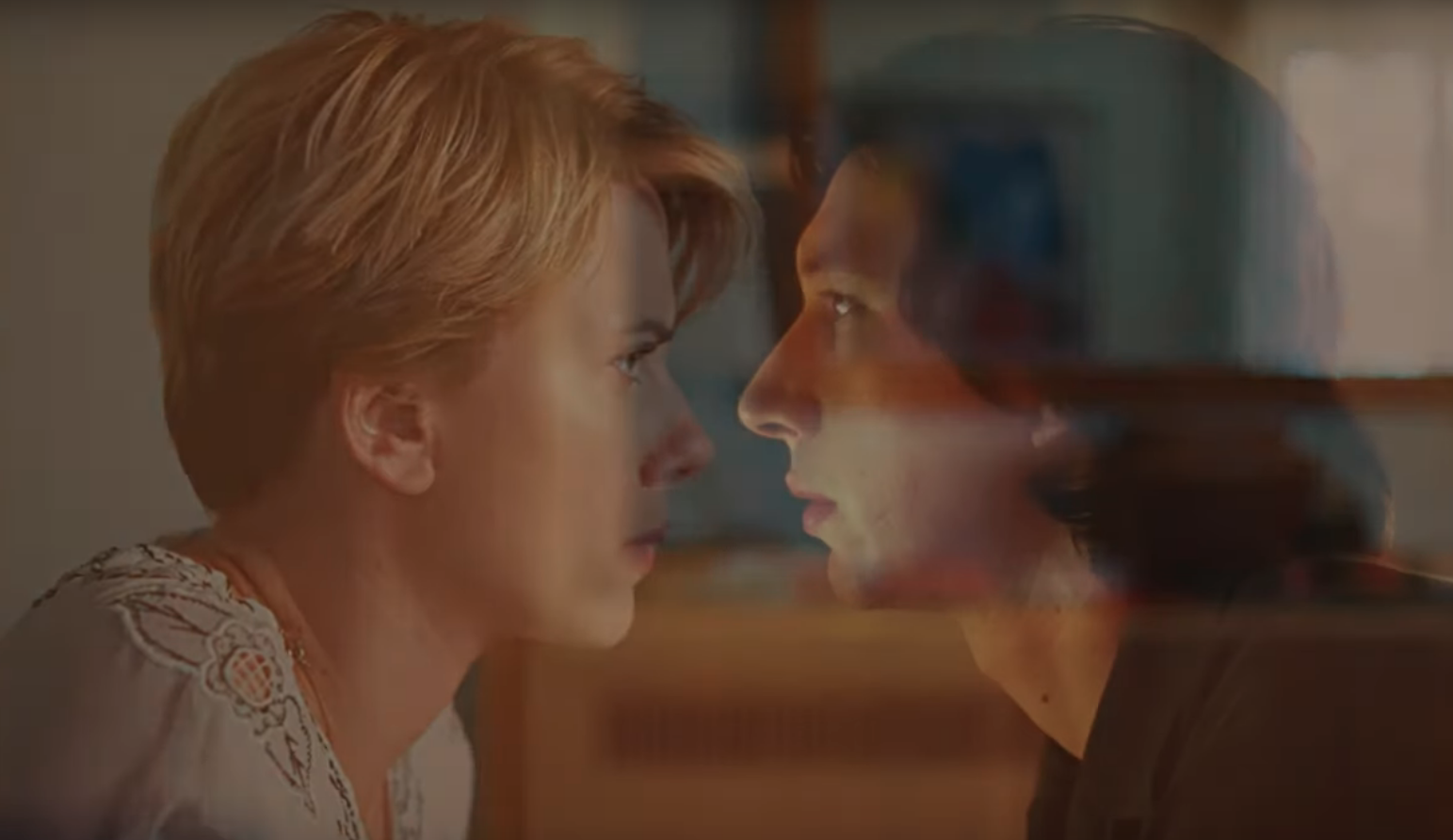
...represented by inhumane lawyers
If this couple is so reasonable, how can they justify the ugly turn their divorce takes, which slides into a display of dirty laundry? By integrating the characters of the lawyer at war with men and the lawyer addicted to winning, veritable sharks ready to do anything to get the better of each other. This will be the only reservation I can make about this definitely excellent film: the main protagonists are almost seen as victims of their own litigation. As collateral casualties of their excessive representatives. What if they, too, had wanted to win for the sake of winning, a character trait which, according to the flashbacks from the beginning of the film? Couldn't we have enjoyed them anyway?
Write to the author: lauriane.pipoz@leregardlibre.com
Photo credit: © Netflix

You'll also like


 French
  German
  English
Leave a comment