



«La Cravate»: ideas sacrificed
Cinema Wednesdays- Fanny Agostino
Ah, campaign posters. Municipal, federal or presidential, they all have these few features in common: a big smile, a look towards the horizon, a neutral background, a slogan inspired by a semblance of renewal and fine promises. But have you ever wondered about the lives of the little hands that printed, distributed and pasted these posters? Mathias Théry and Etienne Chaillou took a closer look at the inner workings of French political parties. By following the itinerary of a Front National activist before and after the 2017 campaign, this documentary takes us by surprise. It avoids the clichés and preconceptions of these tiny lives condemned to live in the shadows of the political game and its privileged circles.
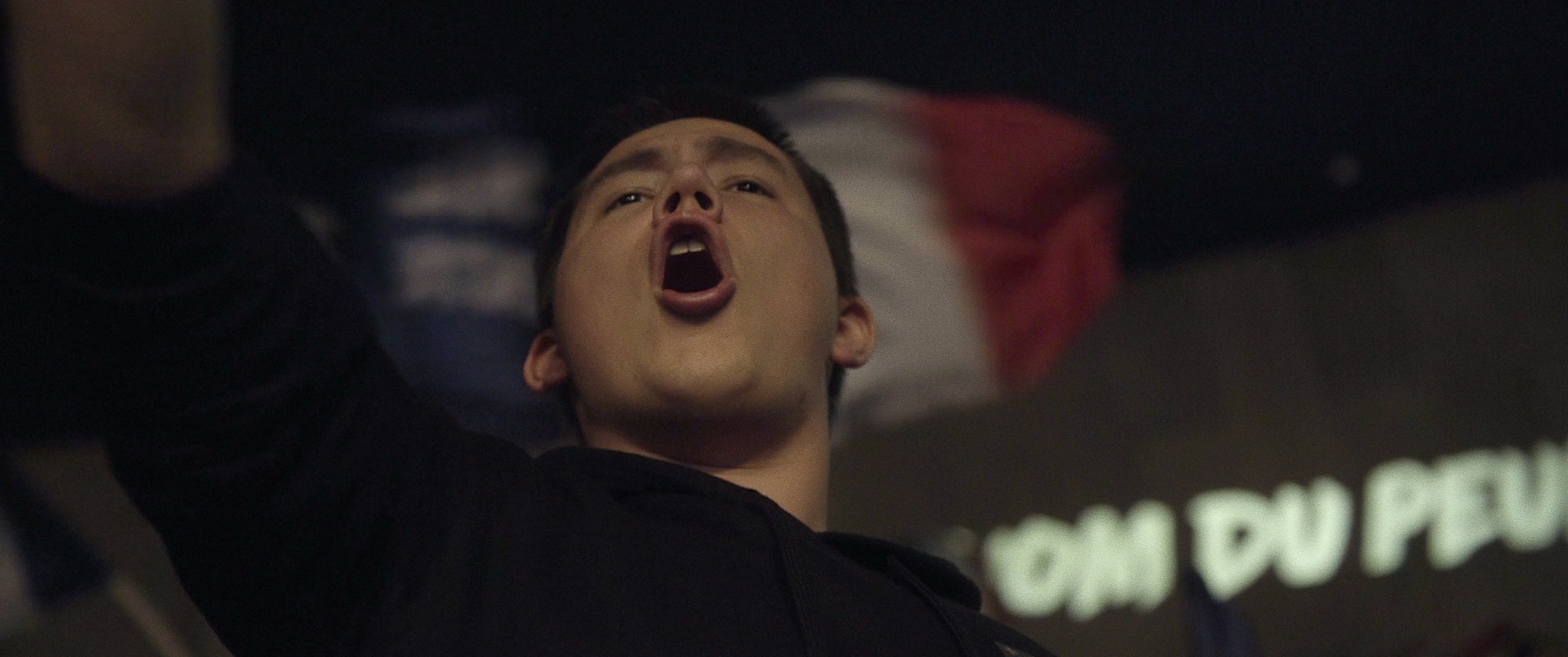
From its pitch, you'd have thought it was an indictment documentary on the excesses of the extremes and the dangerousness of the «bleu Marine» wave. But take a look. Bastien Régnier is 20 years old. He comes from Hauts-de-France. He looks like a teddy bear, with a soft, slightly redneck look in his T-shirts emblazoned with the "Bleu Marine" logo. «Proud to be Picard». Above all, Bastien has strong views on France and its migration policy. These are convictions that he carries into his constituency by joining the ranks of the Front National (now Rassemblement National).
After an unsuccessful education and a troubled school past, he supports himself through his work as the manager of a laser game. In his spare time, he can be found canvassing in markets, sticking up campaign posters in the middle of the night, and managing the FN's communications with the regional office manager. In his attic bedroom, a poster of Marine Le Pen. Bastien has everything it takes to be the archetypal French redneck, frustrated and scowling at his failures. The kind of guy who takes his tranquilizer fix from radical rhetoric, the only escape from all his worries.
This could have been the directors' caricature. On the contrary, Bastien's portrait is of genuine interest and unbiased vision. Far from pigeonholing the young adult as a brainless fascist, it traces the sinuous path of a shadowy voter with a shattered childhood.
Understanding through distance
The documentary begins with Bastien Régnier entering a darkened room. Seated in an armchair, he picks up a small spiral notebook, in which he discovers the script for the documentary he is the subject of. Bastien finds himself confronted with the storytelling from La Cravate after the various sequences have been shot, and certainly by the time editing has already begun. He reads it out, merging it with the overdubbed voice. Like the spectator, Bastien is in a passive position. As a reader, he is faced with the already-written narrative of his own story. He is a character in a novel. This soundtrack is the connecting point of the documentary. Indeed, all the images are silent, with the exception of noises or snatches of dialogue that are always blurred and almost inaudible. Only the voice of one of the filmmakers guides us, contextualizing and giving meaning to the images.
Thus, we are always kept at a distance from the speeches and dialogues, from raw reality in its immediacy. For Mathias Théry and Etienne Chaillou have intelligently chosen to maintain this distance. We are certainly constrained and subject to this narrative framework that recounts the facts and reenacts the dialogues, but the ingenuity of this approach allows us to avoid the pitfall of sarcasm and prevents us from being led, through oversimplifications, to a biased interpretation. The point is not to be outraged or, conversely, to approve of Bastien’s choices, but to understand what led him down this path as an ordinary activist. This technique also reflects Bastien’s role within his party. He is always in the background—behind the cameras or at the back of the community hall. The documentary-style footage and Bastien’s everyday situations do not reveal what makes his journey interesting.
It also highlights the problems associated with a subject that touches on the life of a stranger. Making Bastien Régnier's life public also puts him in danger. This staging also allows Bastien to intervene in the final assembly of the documentary: as he reads the script, Bastien has the freedom to intervene to rectify or delete certain passages or terms from the text, to make them more neutral or to re-establish a truth.
Existing in the shadows
The two filmmakers also succeeded in following an FN supporter on the campaign trail. All the more so at a time when the Front National was restructuring its party and looking to win over a new segment of the population. While remaining aloof from the political discourse in meeting, The camera is present at events that marked the 2017 presidential election, such as Marine Le Pen's visit to the Whirlpool factory in Amiens. This sequence gives a behind-the-scenes look at the visit. «surprise» of the candidate and all the upstream preparations made by the Lepénistes. This was also the case for the launch of the YouTube channel of the party's former number two, Florian Philippot. With his computer and editing skills, Bastien is the instigator of the bad buzz provoked by the first video Philippot put online... laughed at for its amateurism even on Yann Barthès« »Quotidien" show.
The second part of the documentary coincides with what must be called a revelation for Bastien. An idealistic activist, he realizes that the values and ideas he thought were common to his party's followers are only secondary to the personal issues at stake. The party's leading figures are betting above all on their careers and their political futures. But this disillusionment does not discourage the man from his ideals.
Without revealing the reason, we’ll also discover the circumstances that force Bastien to remain in the shadows. Like so many other naive idealists, the portrait of Bastien—as told through the voice of one of the co-directors—proves to be poignant and candid. A masterful work of contemporary realism.
Write to the author: [email protected]
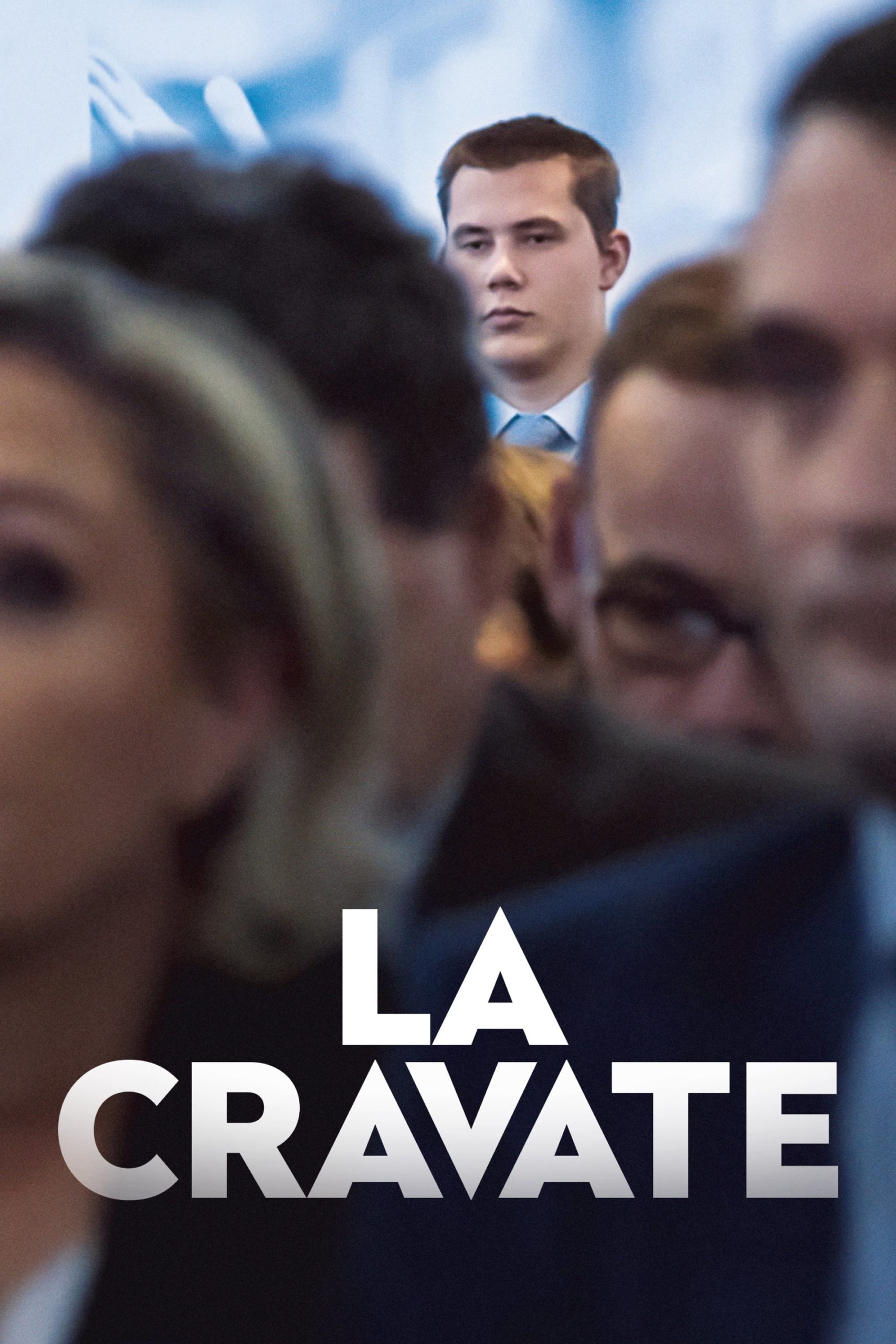
Photo credits: © Nour Films

You'll also like

 French
  German
  English
Leave a comment