



Dismantling the anti-democratic myth in Africa
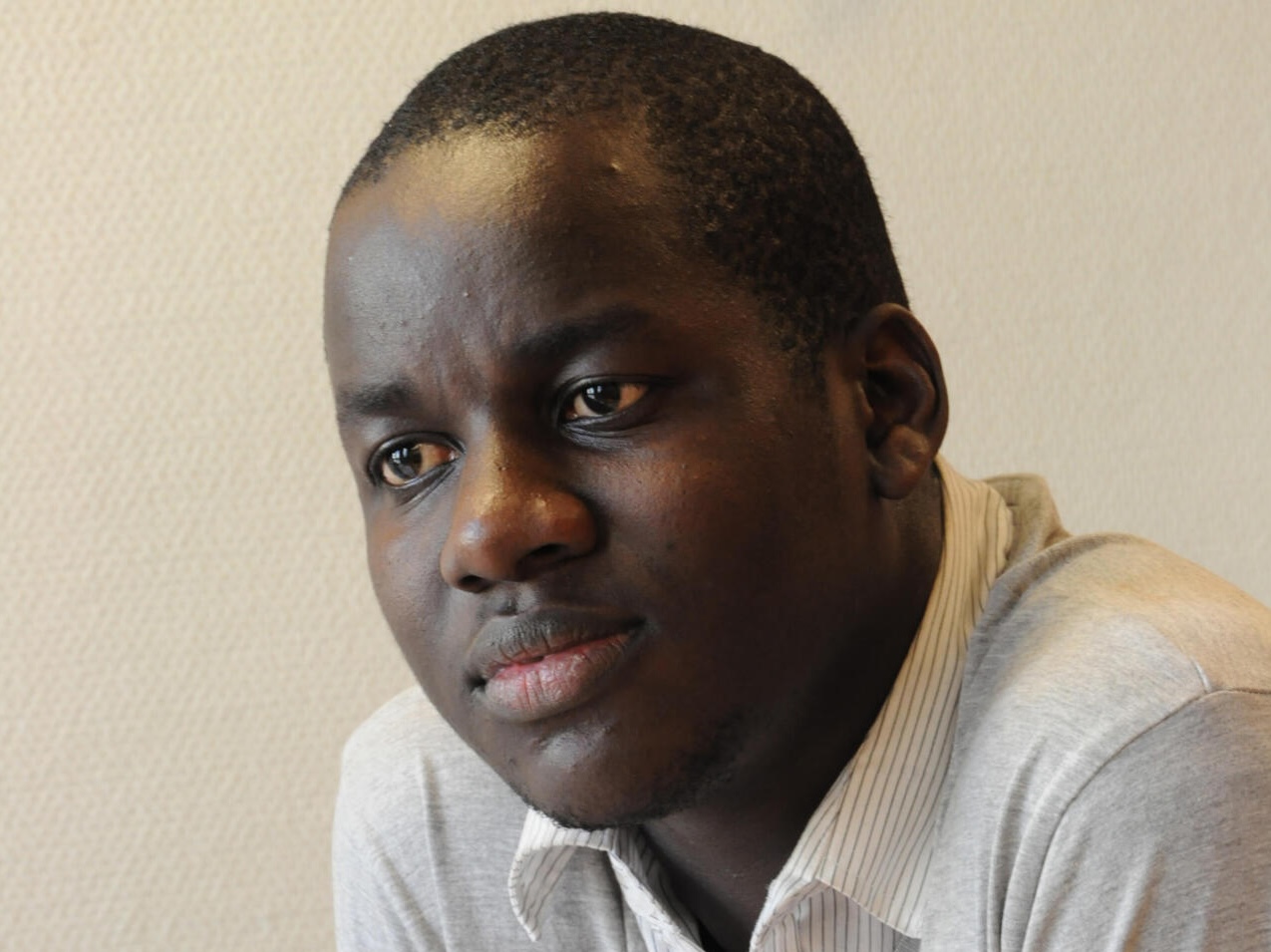
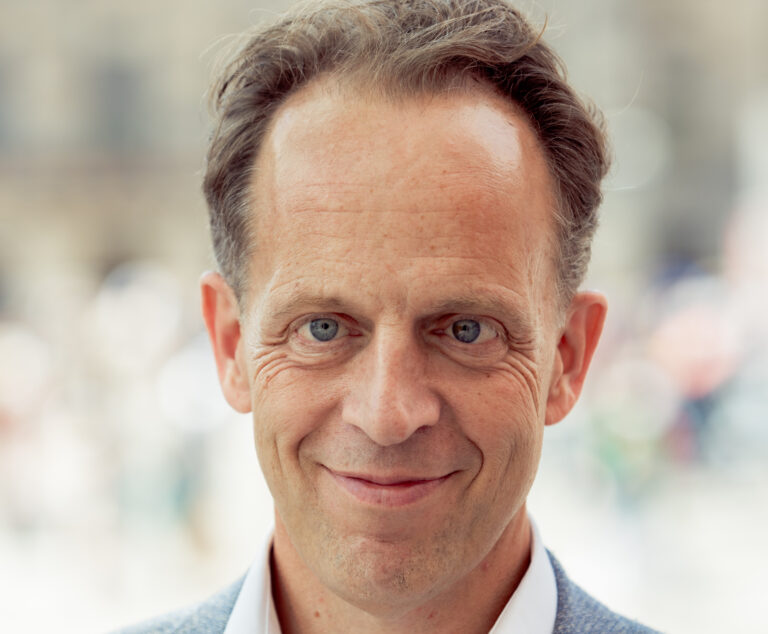
Essayist Ousmane Ndiaye, former Africa editor at TV5 Monde. Photo: Darnel Lindor
In Africa against democracy («L’Afrique contre la démocratie»), Senegalese journalist Ousmane Ndiaye dismantles an increasingly widespread narrative: that of a continent supposedly incompatible with democracy. A vigorous investigation of an idea that has become an alibi for the new authoritarianisms.
«Africa was not made for democracy. This myth has taken hold like a lazy truism. It has made its way slowly from speech to mind. After becoming a rhetorical weapon for dictators, it seduced certain intellectuals and pan-Africanist activists, until it found a considerable echo among African populations. In his essay Africa against democracy («L’Afrique contre la démocratie»), Ousmane Ndiaye, former Africa editor at TV5 Monde, methodically dismantles this ideological construct, which has harmful consequences.
Since independence, democracy has been progressively disqualified on the other side of the Mediterranean. The «democratic revolutions» of the 1990s promised a profound break with authoritarian regimes. But the long-awaited changeover, embodied by the arrival in power of opponents such as Laurent Gbagbo in Côte d'Ivoire or Alpha Condé in Guinea, turned out to be nothing more than a continuation of authoritarianism in a different guise. This «tragedy of historical opponents», as Ndiaye calls it, has contributed significantly to the disaffection with democratic systems.
Pan-African impasse
To this «tragedy of the opposition» has been added a narrative according to which democracy is merely an import of European imperialism. A system ill-suited to African realities. The Senegalese journalist shows that this discourse serves above all as an alibi. Carried by a constellation of figures such as activist Kemi Seba and journalist Alain Foka, it legitimizes authoritarian regimes presented as more sovereign, more efficient and «truly» African.
The juntas of the Sahel are thus elevated to the rank of pan-Africanist hopes, their leaders heroised, while the liberticidal measures are passed over in silence. Intellectuals such as Boubacar Boris Diop and Aminata Dramane Traoré, once champions of freedom, now play down the crimes of dictatorships in the name of the fight against imperialism. They have become, in Ndiaye's words, «the intellectual screen for democratic denial».
The Rwandan case is the most paradigmatic. Erected as an absolute model, Paul Kagamé's Rwanda is invoked as proof that effective authoritarianism is better than unstable democracy. The essayist points out that this model functions above all as a symbol. The results are far more mixed.
After more than twenty years under Kagamé, Rwanda remains one of the least developed countries in the world according to the Human Development Index, far behind democracies such as Botswana and Cape Verde. Economic development is essentially concentrated in the capital Kigali, which is home to just 17 % of the population. Elsewhere, the Rwandan miracle is fading. The argument of efficiency is proving fragile in view of the political cost: an eliminated opposition and a muzzled press.
Western interference
Faced with this anti-democratic myth, the Senegalese journalist reverses the perspective and strives to wrest democracy from its Western assignation. Without falling into an idealization of pre-colonial Africa, he reminds us that the continent did not wait for Europe to invent forms of deliberation, representation and balance of power. Ndiaye argues that colonization above all undermined endogenous democratic forms. This stimulating thesis is supported by a number of examples, such as the Lebou Republic in the 18th century, or certain Amazigh and Touareg practices, which would have benefited from more in-depth study.
With a wealth of analysis and portraits, Africa against democracy («L’Afrique contre la démocratie») is a courageous essay. The author denies neither the reality of imperialism nor that of Western interference, but he refuses to turn it into a totalizing explanation and a false justification for dictatorial regimes. This position is undoubtedly the most intellectually honest way of thinking about contemporary Africa. And the least politically profitable.
Journalist and consultant, Pablo Sánchez is an editor at Regard Libre. Write to the author: pablo.sánchez@leregardlibre.com.
You have just read an open-access article from our print edition (Le Regard Libre N°124). Debates, analyses, cultural news: subscribe to support us and access all our content.
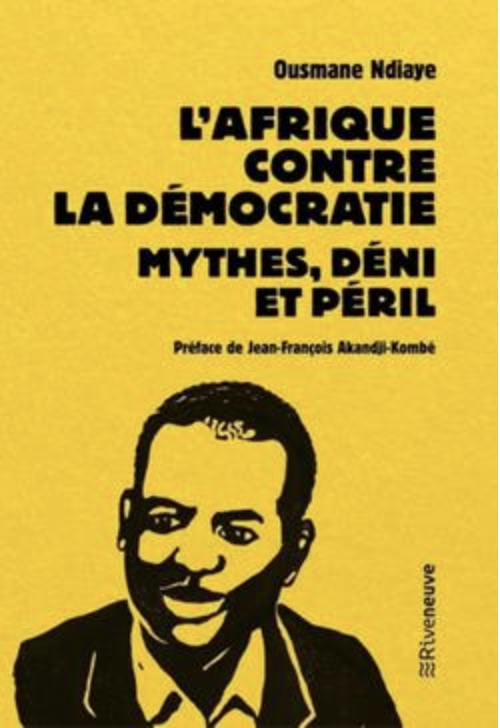
Ousmane Ndiaye
Africa against democracy («L’Afrique contre la démocratie»)
Riveneuve
July 2025
172 pages
You'll also like
 French
  German
  English
Leave a comment