In *The Age of Human Obsolescence*, Bruno Patino warns about the encroachment of artificial intelligence on our lives. It is a pertinent analysis, though one that underestimates our ability to shape technology and adapt to it.
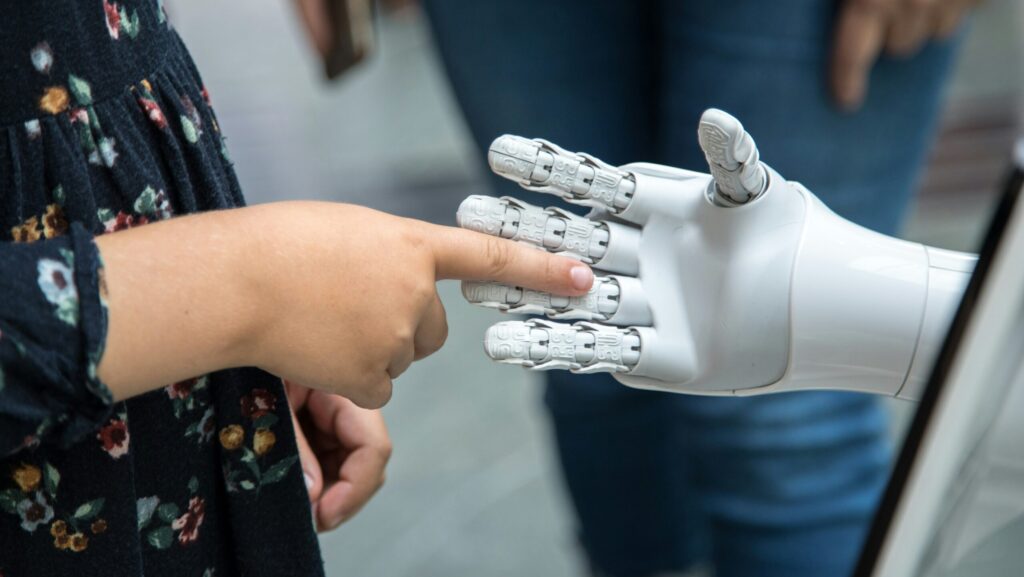
New technologies are revolutionizing advertising. In New York, a new law requires that synthetic characters used in advertisements be identified. Should this requirement be extended to all visual content generated by artificial intelligence (AI)?
Le Regard Libre is embarking on a new chapter, building on the very qualities that define its identity: a passion for debate and an unwavering commitment to freedom, curiosity, and independence.
In his essay *Malaise in Generation Z*, Pierre Valentin addresses the causes of the surge in psychological problems among young people. In his view, these causes are primarily moral and cultural.
In Switzerland, collecting 100,000 signatures allows for the launch of a popular initiative at the federal level, but only to amend the Constitution. Laws are not subject to this process. Should this be changed? A debate between two experts.
Mark Lilla is considered one of the leading contemporary historians of ideas. From the rise of identity politics to the limits of rationalism, this American scholar has spent several decades examining the intellectual forces shaping the West.
On June 14, the people of Geneva will be voting for the fifth time in fifteen years on Sunday opening. In Madrid, the regional authorities completely liberalized store opening hours in 2012. The results.
At a time when the major blocs are vying for global power, the legal order is emerging as a decisive weapon. Interview with French jurist Erwan Le Noan, author of a study on the subject published by Fondapol.
Faced with the injunctions of healthy living, the bon vivant emerges as a counter-model. An opportunity to re-explore this figure, which is far richer than a simple posture of resistance.












 French
  German
  English