Le Regard Libre No. 82 – Antoine Bernhard and Jonas Follonier «Immigration» Feature: With just a few weeks to go before the French presidential election,...
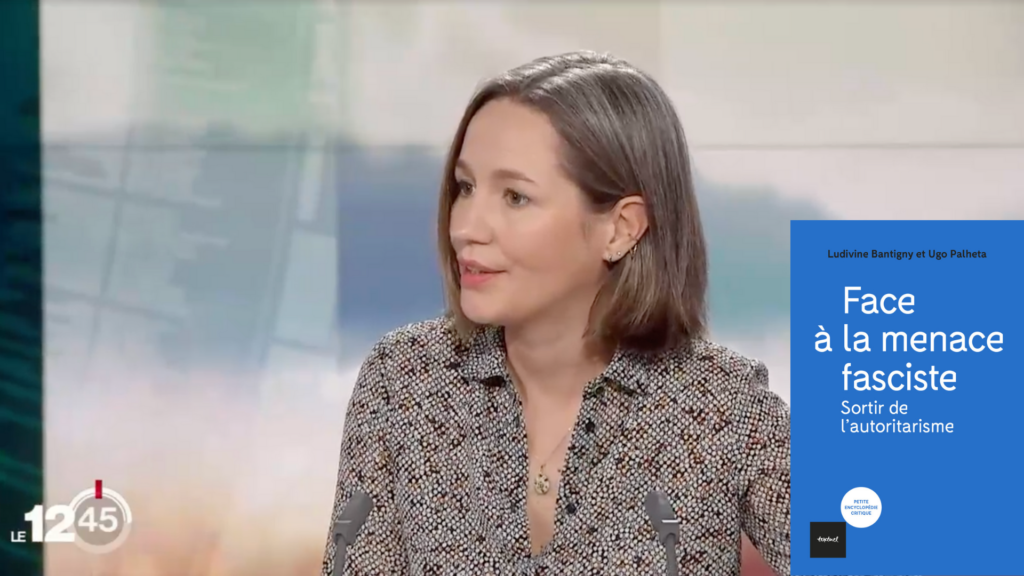
Au nom du combat contre l’extrême droite, tout semble permis pour certains journalistes. Y compris ne pas apporter la contradiction...
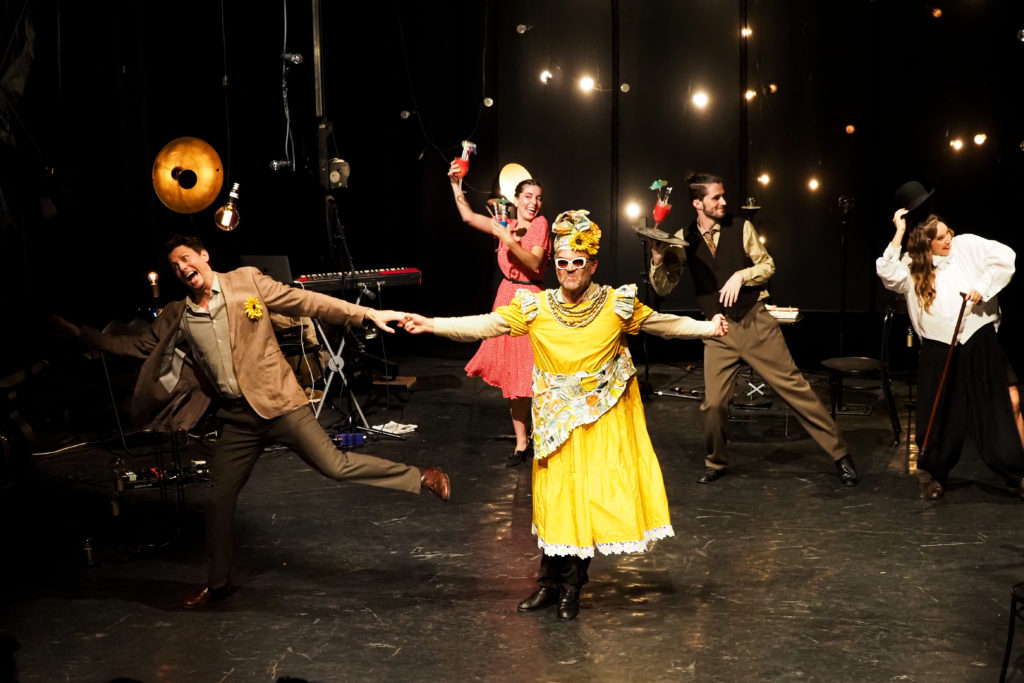
LONG FORMAT INTERVIEW, Antoine Bernhard | Alongside his job as a teacher at a Valais high school, Stéphane Albelda devotes a great deal of his time to the theater. This year, with the Nova Malacuria and Hussard de Minuit companies, he brought to the stage the fascinating and mysterious life of Antoine de Saint-Exupéry. For Le Regard Libre, he talks about his play Saint-Exupéry volé au ciel and his passion for «Saint-Ex», a writer born at the dawn of the 20th century, who disappeared in the twilight of the Second World War, but whose work continues to fascinate us all.
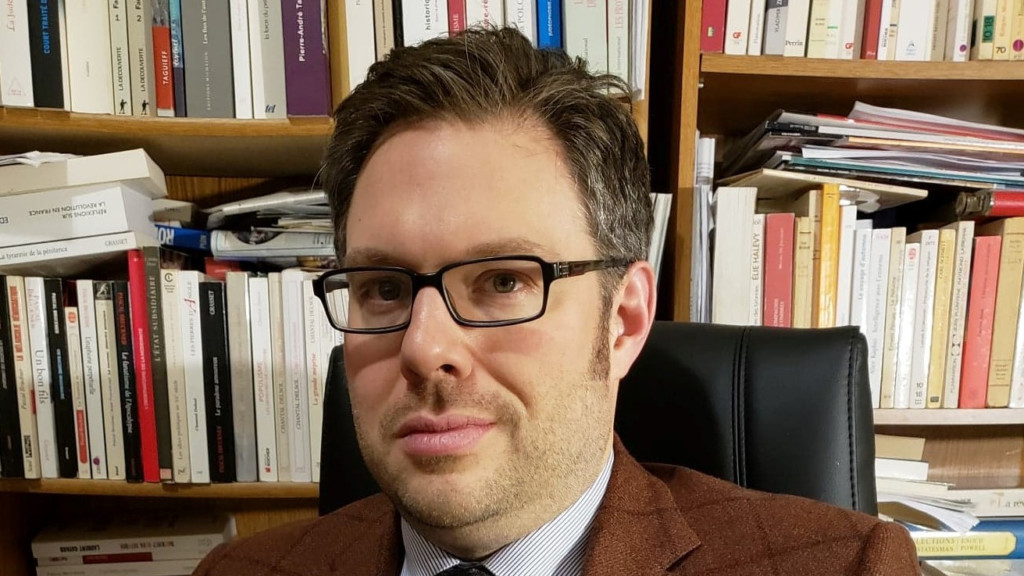
Interview with Jean-Pierre Siggen
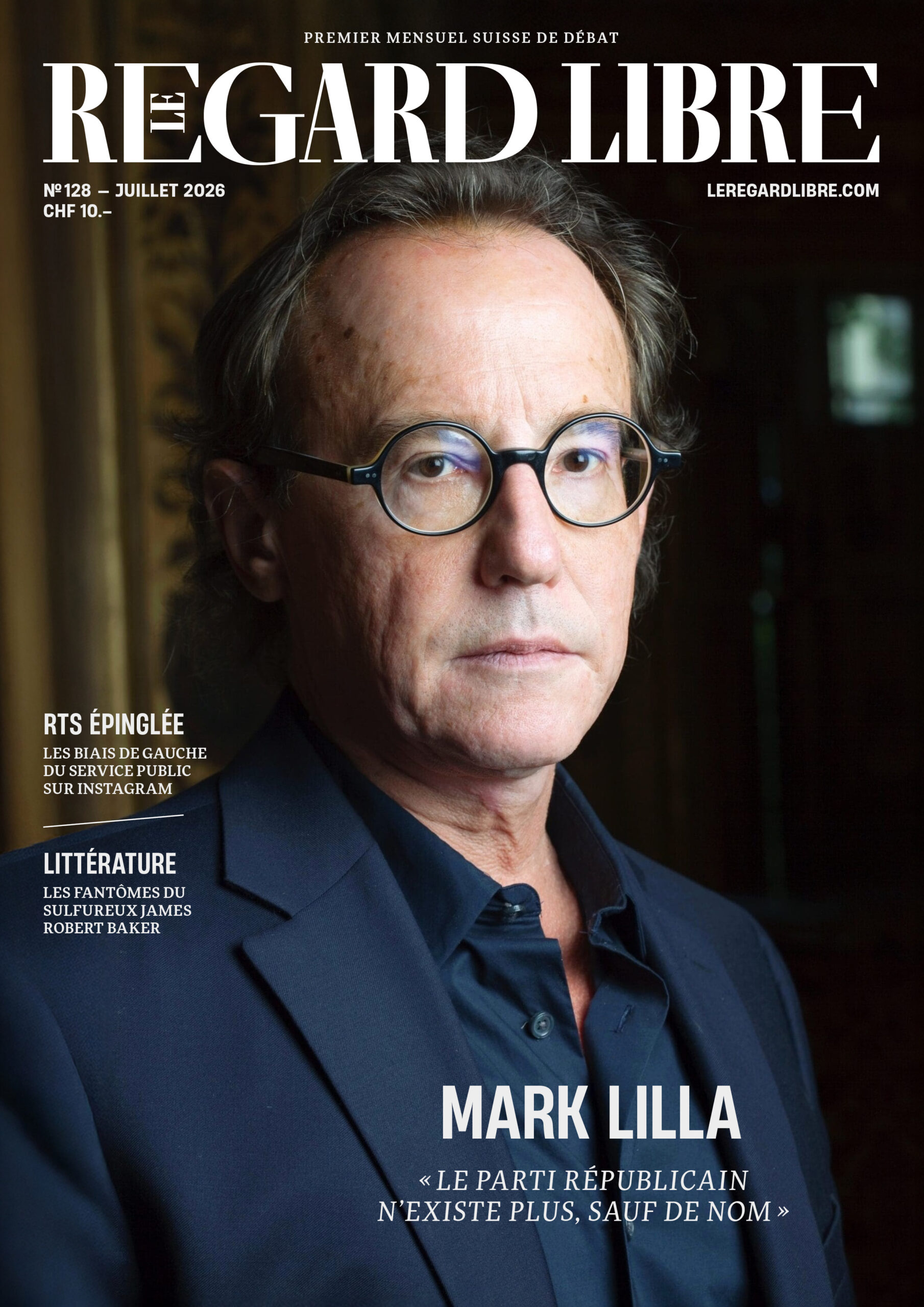
Quebec sociologist Mathieu Bock-Côté castigates the «diversitarian regime» that is tending to replace democracy as we know it in the Western world. Interview about his latest book, La révolution racialiste.
ARTICLE LONG FORMAT, Antoine Bernhard | Fifty years after the arrival of women's suffrage in Switzerland, the Socialists want to extend it across the board to foreigners living in the country. In January, the party tabled a parliamentary intervention and launched an online petition to promote the «right to vote for all». With this demagogic operation, the SP is revealing its revolutionary nature and demonstrating that it is often the enemy of the people. Analysis.
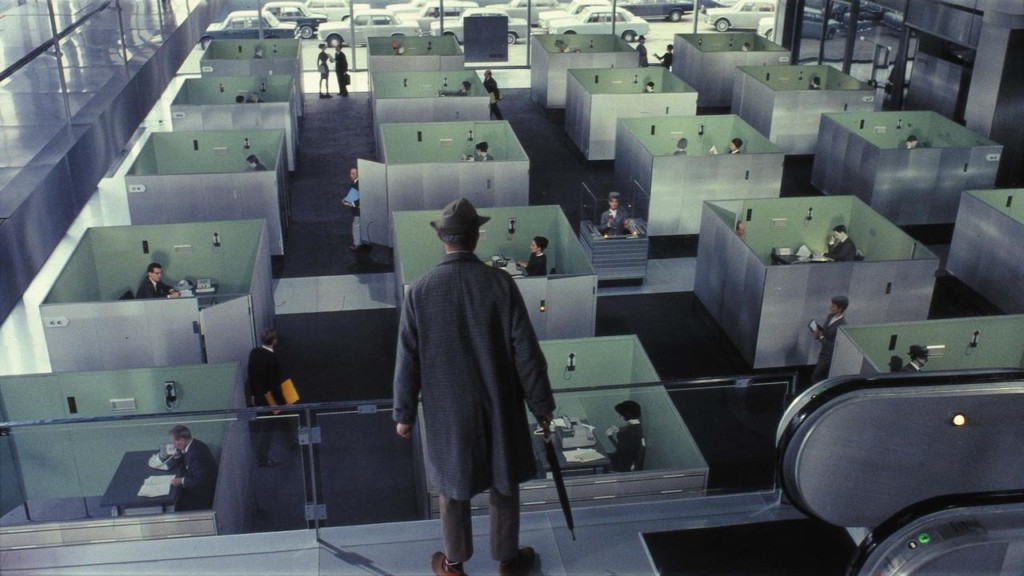
More than fifty years after its release, Playtime still shines with genius. What is man's place in industrial society? This is surely the central question posed by this slapstick comedy, which ruined its director, Jacques Tati. Playtime has nothing in common with the mawkish, greasy antics so often produced by French cinema today. The result of an unparalleled aesthetic effort, this feature film fully deserves its place among the greatest films in the history of cinema. And, like all masterpieces, it still speaks to us today.
With the progress of science, particularly neuroscience, the possibility of free will is increasingly called into question. Every day, we discover new determinisms, i.e. conditionings to act in a certain way in a given context. Man's capacity for self-determination, which we hold so dear, may appear to be nothing more than an illusion. But before modern science got to grips with it, the question of free will already had a long history. Let's go back to the origins of a founding idea in the history of the West.
The identitarian left has struck again










 French
  German
  English