



«Annette» (d)astonishes
Cinema Wednesdays - Kelly Lambiel
After a nine-year absence, Leos Carax opens 74th Cannes Film Festival with a veritable fireworks display. Annette, his sixth feature film, starring Marion Cotillard and Adam Driver, is in some ways just like him: avant-garde and poetic for some, grotesque and boring for others. Halfway between a dark, tragic musical and a luminous, eccentric rock opera, it has the merit of not leaving anyone indifferent.
It all began when brothers Ron and Russell Mael of the legendary and eccentric pop-rock band Sparks decided to send Carax their album Annette. This narrative musical work already tells the story that will serve as the backdrop for the film. The director, who used How Are You Getting Home?, one of their songs, in its astonishing Holy Motors (2012) and then performed the song When You're a French Director on their album Hippopotamus (2017), he then proposed that they bring this unique fable—which resonated with him in a special way—to life on screen. Their unconventional worlds thus came together in harmony, blending cruelty, humor, cynicism, beauty, madness, and wonder.
But the thing is, Carax needed time to make the project his own and create a form capable of bringing it to life. The central theme was a sensitive one on a personal level and, in his view, might have upset his daughter, Nastya Golubeva Carax, who was 9 years old at the time. Indeed, numerous parallels could be drawn—and misinterpreted—between his tragic relationship with the actress Katerina Golubeva and the story that unites the film’s protagonists. Today, clearly understood and supported by his child—since Nastya appears alongside her father in the film’s opening scene, which, incidentally, is dedicated to him—Carax seems to have found a way to tell Annette’s story and, perhaps, to have exorcised a few demons in the process.
A Cruel Fable
"Annette" is the story of a true little doll who emerged from a passionate love affair that turned toxic over time. Ann (Marion Cotillard) is radiant; Henry (Adam Driver) is pensive. Yet he is fire, while she is ice. A celebrated soprano at the height of her fame, Ann embodies art—true art, the art of the elite, the classical, perfection. Every evening, she brilliantly fulfills her destiny: to die before a captivated audience. Henry, though no less adored, moves in a different sphere—the more popular, down-to-earth world of the stand-up. Every night, he—the gorilla—wows his audience with cynical quips and biting puns. Yet the angel and the human love each other, and eventually give birth to Annette, a being who is literally in a class of her own—a puppet with a sad gaze.
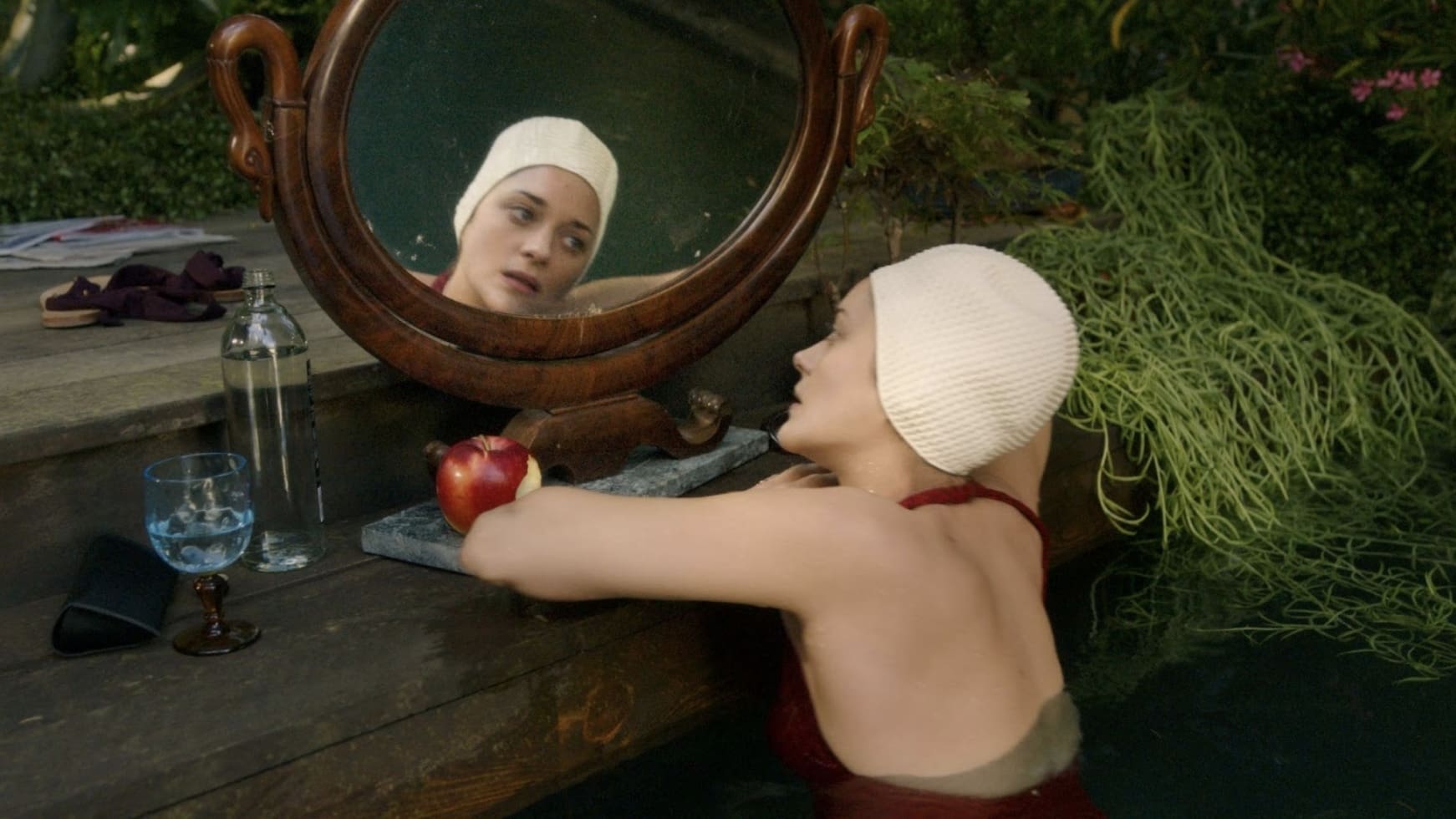
Over time, Henry’s passion—which has turned to darkness—drives the couple apart. Jealous of his wife’s success, he also suffers as he is brought down from his pedestal before an audience that no longer laughs. And Ann, for her part—that spotless innocent—may not be entirely blameless for her husband’s unhappiness. After all, wasn’t she the first to bite into the apple? In any case, she is just as guilty as he is for turning Annette into not a doll, but a mere puppet. This is the central theme of the film, and there’s no happy end In this macabre tale, there is no redemption, despite a final scene that is both harrowing and moving—one that ultimately sheds light on the doll’s perspective while leaving the interpretation open.
A Strange Object
It's important to know this—or, as in my case, maybe not: Annette is anything but a conventional film. After a completely original, meta opening scene, each character slips into their role and costume, ready to take the story forward. Dialogue-driven scenes are few and far between, giving way to a succession of sung, dreamlike tableaux—punctuated by ellipses or structured by untimely «news flashes»—each forming a sort of self-contained unit, a small work of art in its own right. A bold, uncompromising aesthetic choice that can delight the viewer with each shift in atmosphere but often ends up confusing or boring them due to a lack of coherence. Many (too many?) themes are touched upon and immediately forgotten, such as the theme of sexual harassment—a scene in which, moreover, the singer Angèle who «spills the beans.».
Read also | Angèle has (almost) nothing going for her
Even though some of the melodies are beautiful, the repetitive nature of the lyrics can have an unfortunate tendency to be annoying—at least for me. Nevertheless, I appreciated the challenge the performers took on and was swept away by the magic that emanates from certain scenes. Alternately grotesque and ridiculous—almost uncomfortable, as during childbirth or orgasm—or breathtakingly poetic, as during the waltz in the middle of the ocean, all the songs were recorded not in a studio, but directly on set, as the actors performed. Adam Driver’s deep, resonant voice sounds strangely right in its dissonance, and although she was occasionally backed up for the operatic singing, Marion Cotillard’s distinctive timbre blends perfectly with the whole.
Annette, a tale as magical as it is unsettling—a true cinematic oddity—ultimately belongs in the category of films that you either love or hate, that either resonate with you or leave you cold.
Write to the author: [email protected]
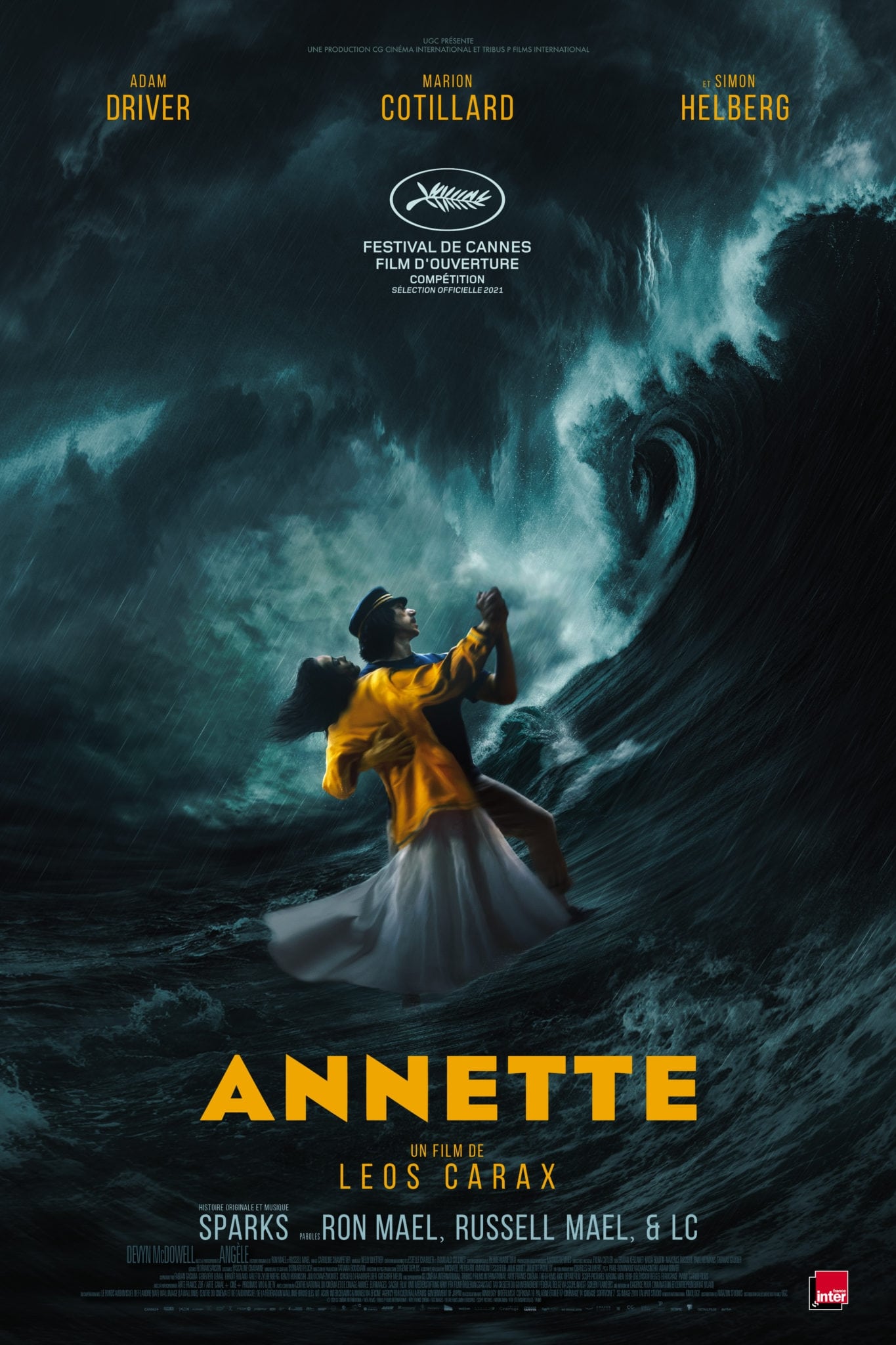
Photo credits: @ UGC Distribution
You'll also like


 French
  German
  English
Leave a comment