




The coronarétrospective du cinéma presents Tarkovski
Les mercredis du cinéma - Special edition: Les coronarétrospectives du cinéma - Loris S. Musumeci
Every Wednesday, we offer three film reviews in the cinema news. But I don't need to tell you why we're taking a break today. A break, a real break. In other words, a pause that nourishes and refreshes. «Pause» comes from the Latin pausa which, unsurprisingly, means «cessation», «truce». As early as the XIVth century, the Latin word pausa nevertheless integrates the musical field to indicate the silences between notes.
What could be more essential than silence in music? Silence has its own notes, its own symbols. From the pause stick to the sigh, to the eighth of a sigh, silence allows the melody to change direction, to move from one emotion to another. To allow the sound to breathe, the musician to breathe, the listener to breathe.
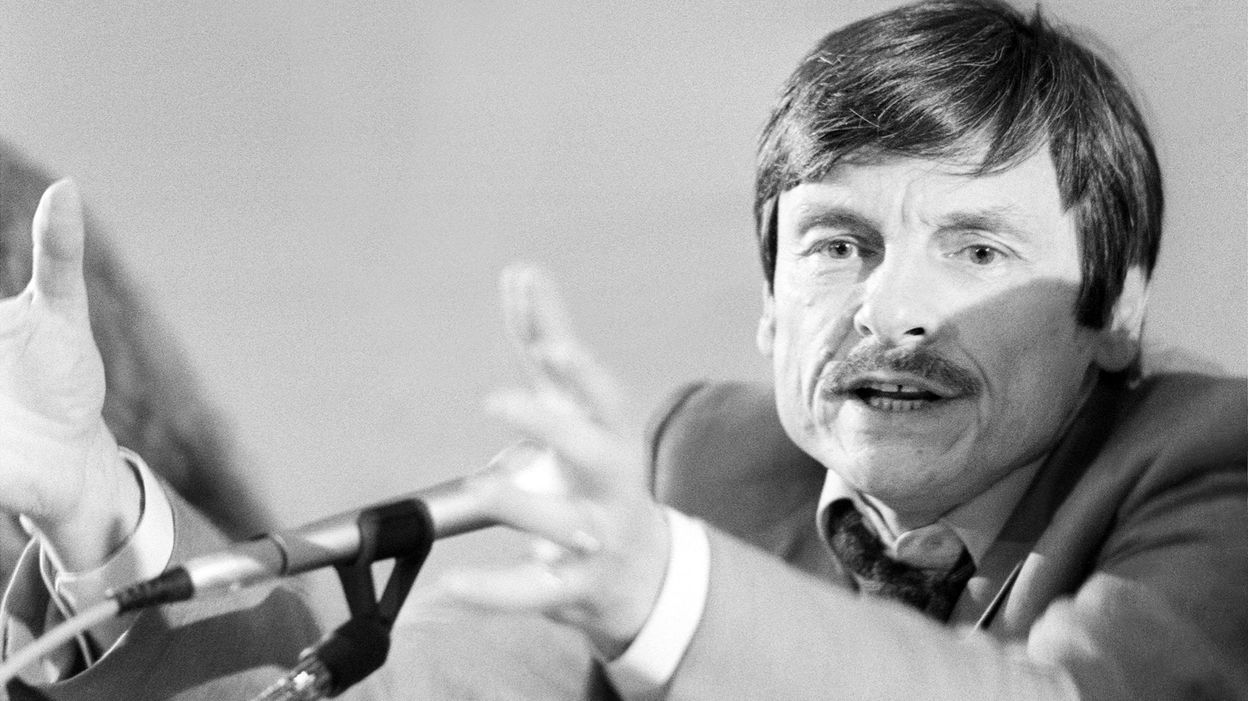
Today, Les mercredis du cinéma «Edition spéciale: Les coronarétrospectives du cinéma» offers you a pause, a silence, a breath. Essential to musical composition, essential to cinema. Let's let the news of cinema breathe a little, in peace and quiet. And look up. The hair is waving. A north-easterly wind is blowing. From the banks of the Volga, the breath turns around itself seven times to become the breath of the seventh art. This breath is Andreï Tarkovski (1932-1986).
Seven feature films: Ivan's childhood (1962), Andrei Rublev (1966), Solaris (1972), The Mirror (1975), Stalker (1979), Nostalghia (1983) and The Sacrifice (1986). Seven themes that travel from film to film: the Russia, the elements of the nature, l’childhood, the nostalgia, the time that comes and goes, the’immortality of the soul and spirituality of a people, of each individual.
Seven feature films, seven themes that place Tarkovsky in cinema's seventh heaven. Tarkovski, the anti-Soviet Soviet filmmaker, whose works explore everything that lies in the human heart. He embodies the Russian spirit, the tragic spirit. His images invite you to pray, while his poetry lulls you to sleep. To enter a Tarkovsky film is to penetrate the reflection, even if it's vertiginous, to come face to face with oneself. But above all, to contemplate, contemplate, contemplate.
Le Regard Libre Throughout the day, we'll be offering you three articles on three of the director's films - masterpieces, I think you'd call them. Antoine Bernhard will take you on a nostalgic journey from Russia to Italy, with Nostalghia. Jonas Follonier, for his part, will give you a taste of the agonizing mystery of Stalker. And your servant will try to observe some of the space riches of Solaris. All with links to the films in question for free access or rental.
Happy reading, happy viewing, happy day,
Long live cinema. Long live Tarkovski!
Write to the author: loris.musumeci@leregardlibre.com
Photo credit: © La Cinémathèque française
You'll also like

 French
  German
  English
Leave a comment