



«For everything to stay the same, everything has to change».»
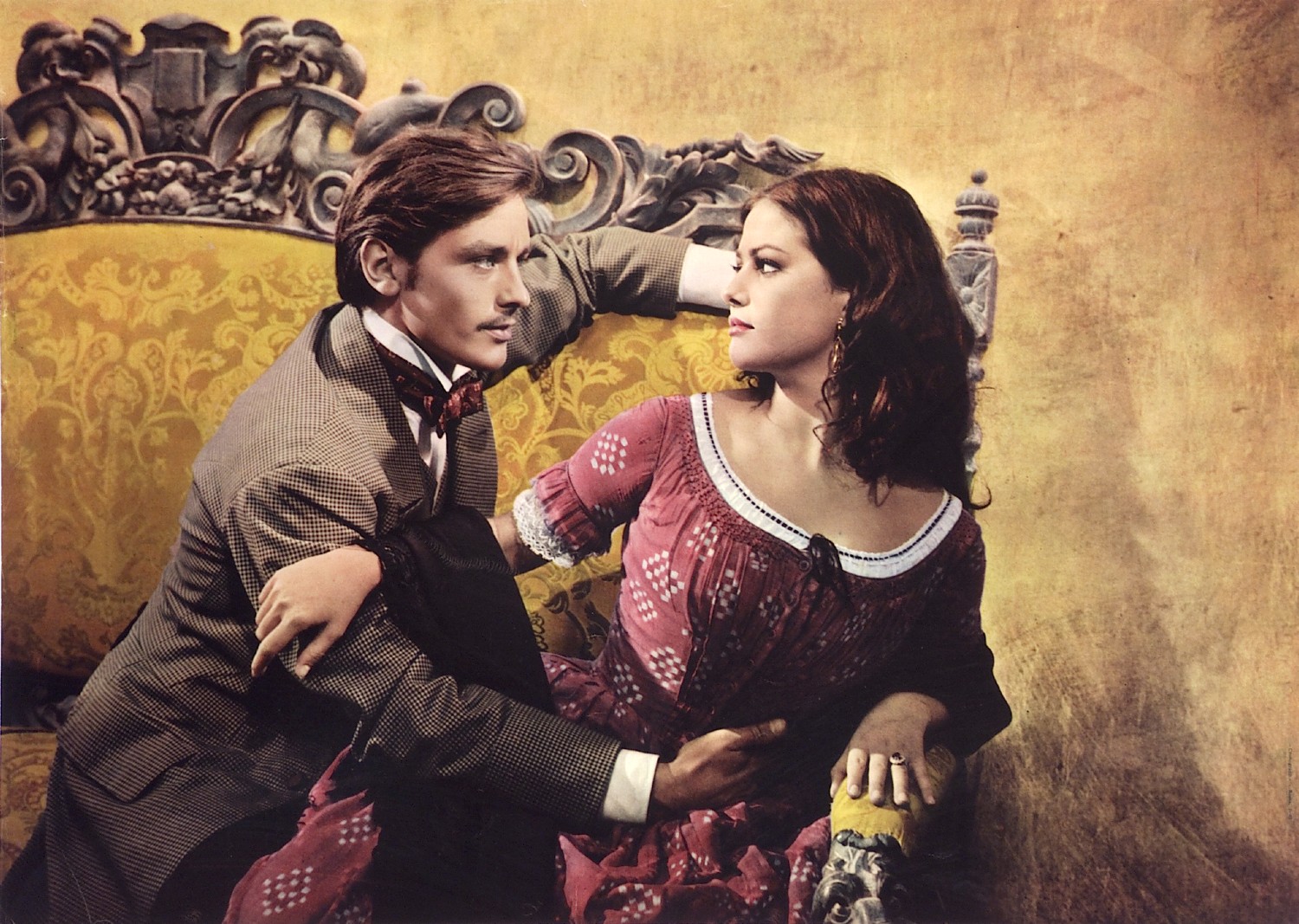
Based on the novel by Giuseppe Tomasi di Lampedusa, The Cheetah is surely one of Italian director Luchino Visconti's iconic creations, a 1963 film like no other, 205 minutes of masterpiece. A soundtrack by Nino Rota and a dream cast: Burt Lancaster as the Prince of Salina, Alain Delon as Tancredi, Claudia Cardinale as Angelica, and Sicily, immortal in 1860 as it is today. For the film opens in the turmoil of Italian unification.
Don Fabrizio Corbera, Prince of Salina—he is *The Leopard*, stoic and serene in the face of the revolution—but he is also the author, Tomasi, and, to a certain extent, Visconti himself. As in all his films, as in The Damned, Ludwig or The Twilight of the Gods and so many others; the theme of the decline of the aristocracy haunts the Milanese “prince-filmmaker,” who has become a communist activist. An entire world comes crashing down with the fall of the Bourbon kingdom, when the troubled Don Calogero, a newly wealthy peasant, manages to arrange for his daughter Angelica to become engaged to the prince’s nephew, Tancredi Falconeri.
In a magnificent scene set in the heart of the Sicilian countryside—the «hunting grounds» of *The Leopard*—Don Fabrizio tries to explain to his steward that «this marriage is not the end; it is the beginning of everything.» By allying himself with the upstart bourgeoisie and applauding the unification of Italy, the prince seeks above all to ensure the survival of his family, even if it means sidelining his daughter Concetta, who is in love with Tancredi. His cousin prefers the radiant Angelica to the stern and virtuous daughter of the Prince of Salina; Angelica does not hesitate to laugh heartily at the table at a risqué joke.
*The Leopard* is not only about Prince Salina confronting modernity, but also about Prince Salina confronting himself. The mature man feels himself fading away along with his world, overshadowed by his young and ambitious nephew Tancredi and by the beautiful Angelica. He is, moreover, not immune to the charms of his future niece, as suggested by their waltz in the famous ballroom scene, under the jealous gaze of Tancredi, the Princess of Salina, and the entire Sicilian aristocracy. Even the Leopard has his weaknesses, and he breaks down in tears when he catches sight of himself in a mirror at the end of the ball, acutely aware of his own mortality. «For everything to remain as it was, everything must change,» Tancredi had predicted. Convinced that unification is nothing more than a farcical revolution, Don Fabrizio is nonetheless forced to accept death.
The story of Don Fabrizio is also the story of a region—arid and remote—drowning in the tide of a modernity it abhors. When a Piedmontese emissary comes to propose that the prince be appointed to the Italian parliament, he refuses, arguing that Sicily wants only one thing: to be forgotten. At least his Sicily does. Don Calogero’s Sicily, however, is ready to take the plunge, and it is him that Don Fabrizio proposes to send to the parliament in Turin. As for this Calogero, it’s hard to tell whether he’s a likable or repulsive character, affable or self-serving. When he arrives in a tailcoat at the prince’s luncheon, the prince doesn’t hesitate to gently describe him as a «revolution in the making»!
Visconti showed great subtlety in his choice of scenes, from the conversation with the chaplain, Father Pirrone, to the final scene in the streets of Naples. A subtlety that was lacking in Tomasi’s work, which was somewhat muddled and ended many years later with the prince’s death and his daughters’ reclusive lives. One detail the film may have omitted: the presence of Bendicò, the prince’s dog, who was said to be the true hero of the novel—a faithful companion, stuffed after his death, only to be ultimately forgotten and thrown into the garbage… Was this Don Fabrizio’s fate?
You'll also like

 French
  German
  English
Leave a comment