



«Hotel Jugoslavija»: a look at Yugoslavia and its nakedness
Cinema Wednesdays - Loris S. Musumeci
«There's the big story, the one that rules; and there's the little story, the one that suffers, the one of the people.»
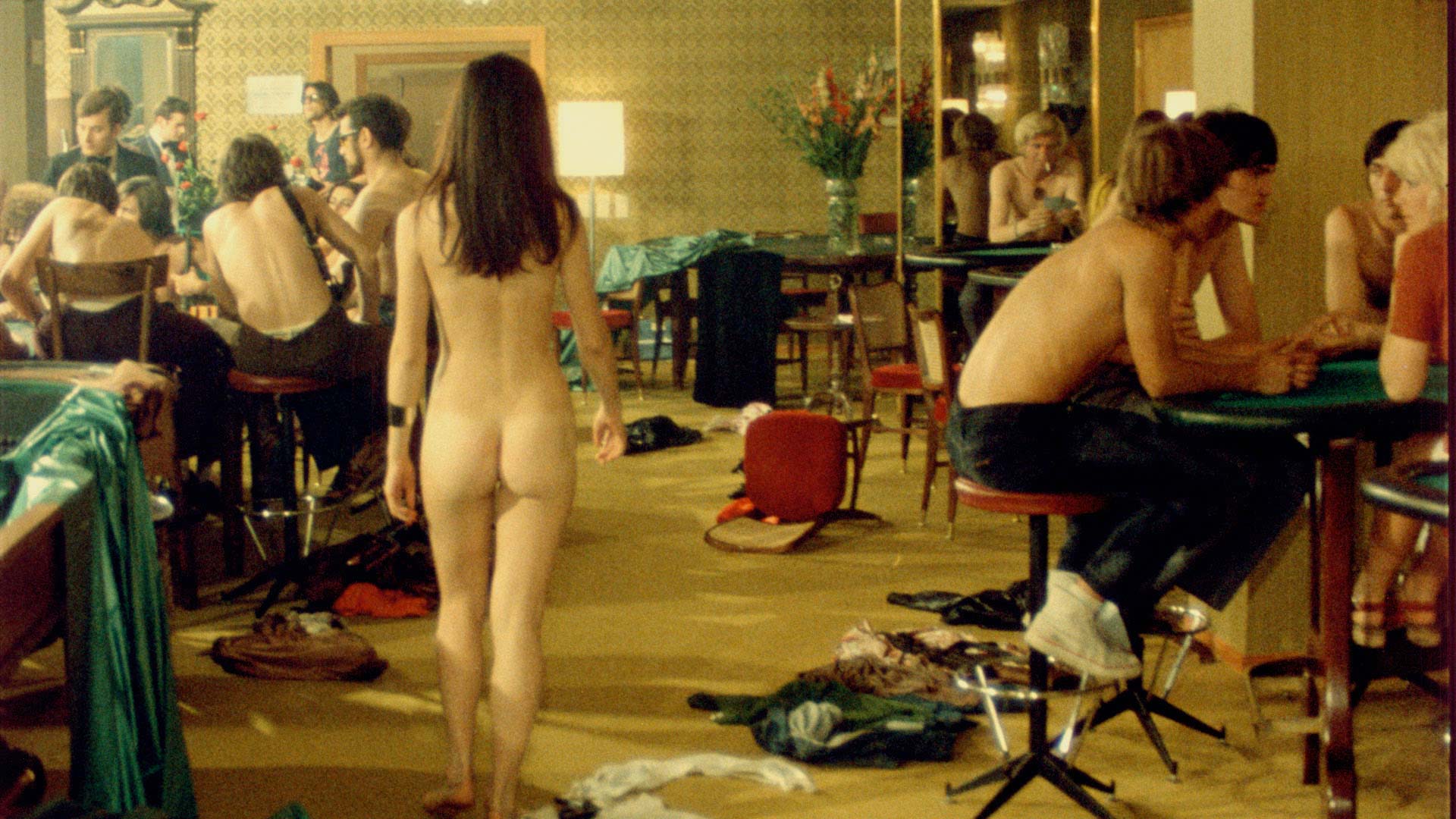
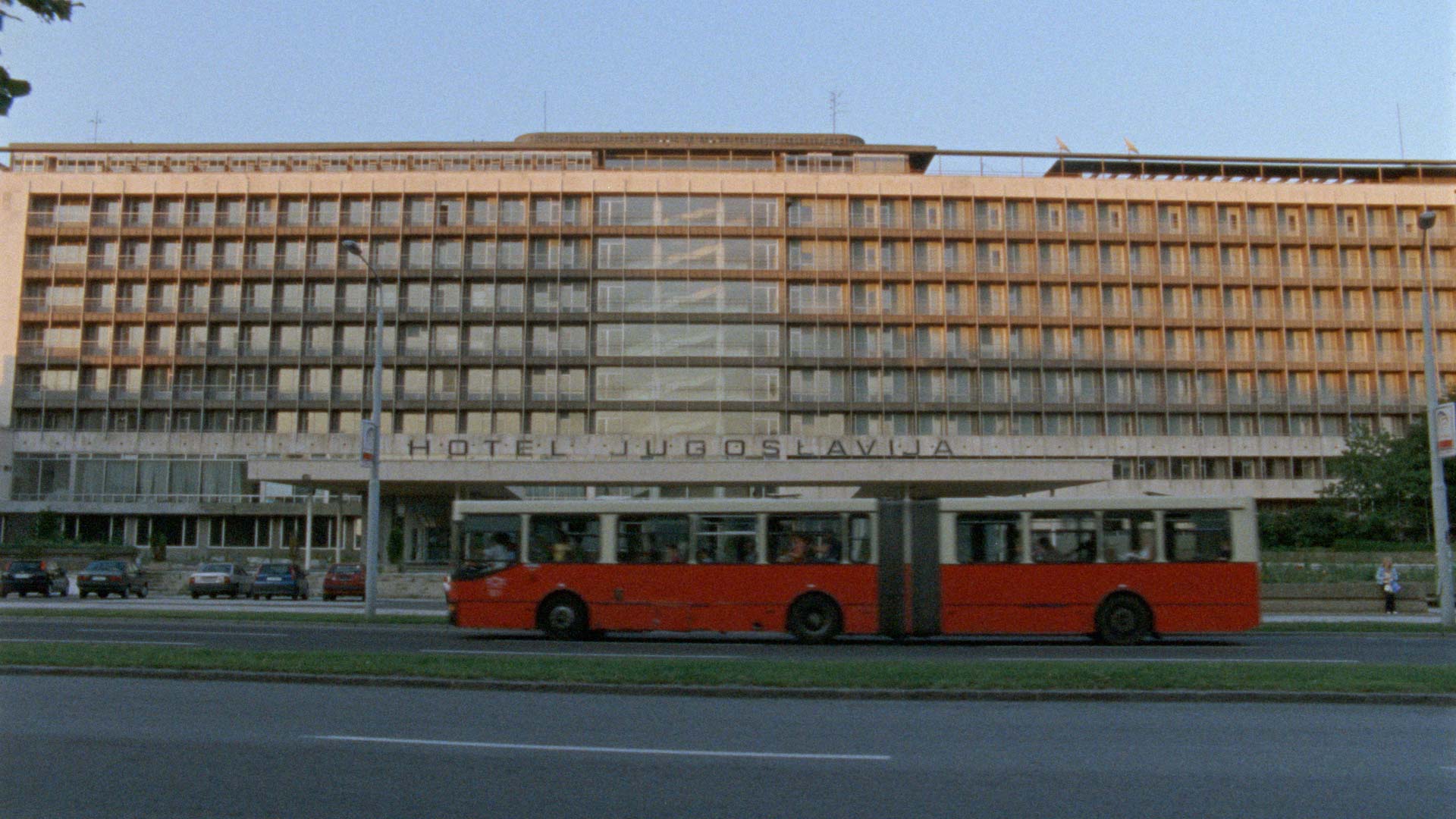
Nicolas Wagnières deals with a building from the past, the Hotel Jugoslavija in Belgrade. The film is, however, about small-scale history. This documentary is not an encyclopedic article devoted to the building that gives it its title. Instead, the director takes a personal look at Yugoslavia and the hotel that haunts it, so symbolic in his eyes of a bygone era. He also presents on screen the history of «the people», those who believed in the Yugoslav federation, who carried the Hotel Jugoslavija in their hearts, but who also suffered the death of a nation, and now see it naked and destroyed.
The documentary, however, refrains from making any judgments. It is moved. It moves from the past to the present, only to return to the past and face the present again. It wasn't necessarily better before; it's certainly not better today. And what about tomorrow? Silence. The Hotel Jugoslavija was built in the sixties to the glory of the state. It welcomed the most famous personalities. It was the main propaganda tool for a modern, progressive, free and great Yugoslavia. But the federation collapsed and the glorious hotel was bombed in 1999.
Largely under rubble, it gave rise at times to the hope of a reconstruction parallel to that of Serbia, and at other times to the despair of seeing a building abandoned despite projects and investments. These contrasting feelings are reflected in Nicolas Wagnières' images. The images of the time may be in black and white or awkwardly colored, but they're all vibrant and full of life. Today's images are digitally limpid, showing through still shots an empty fountain, a dead leaf, graffiti and broken concrete.
Socialism under Marshal Tito had its faults, but it united a people and made them proud, even of things they didn't have direct access to, such as the luxury hotel. Filmed testimonials from former employees and managers confirm this. The viewer listens, astonished but attentive, to how Jugoslavija was a home for those who worked there, even the most modest. Everyone was proud to say they were a member of the team, as if it were a family of renown. And Yugoslavs who had only seen the building on a postcard shared the joy of seeing it as the work of fellow workers, the work of a united, fraternal and collective nation.
In addition to the testimonials, the director speaks in a pensive, highly written voice-over that could almost be the stuff of a novel. No doubt out of modesty, he leaves the monopoly of memories and reflections on the legendary hotel to the former employees. Nicolas Wagnières' voice-over, punctuated by piano keys, reveals his relationship with Yugoslavia, which he never really knew except through his mother and his late travels. He loves the country; Jugoslavija fascinates and distresses him, as does socialist politics. It's clear that his comments are part of an artistic approach, strongly supported by sideways tracking shots in the beautiful, luxurious rooms. The grain of the image gives the photograph an undeniable charm, revealing a clear nostalgia for the hotel in its heyday.
Although relatively short - 78 minutes - the documentary manages to seduce. It also provokes an interest in what Yugoslavia was. However, the two most striking elements are undoubtedly the delicacy of the voice-over and the original depth of its words, as well as the skillfully handled camerawork. If there was one criticism to be levelled at the director, it would be that he doesn't focus enough on the present, which is viscerally out of sync with the past. And yet the present has little to say about itself, except that it has remained naked. When will Jugoslavija return? When will Serbia be clothed in ideals and modernity? Maybe one day, but in the meantime, mourning is still the order of the day.
«Unity, fraternity, collective, self-management, non-aligned.»
Write to the author : loris.musumeci@leregardlibre.com
Photo credit: © C-Side Productions
You'll also like

 French
  German
  English
Leave a comment