



«Lazzaro Felice»: a dazzling documentary fable
Cinema Wednesdays - Hélène Lavoyer
«Lazzaro! Lazzaro!
Lazzaro!
Lazzaro!»
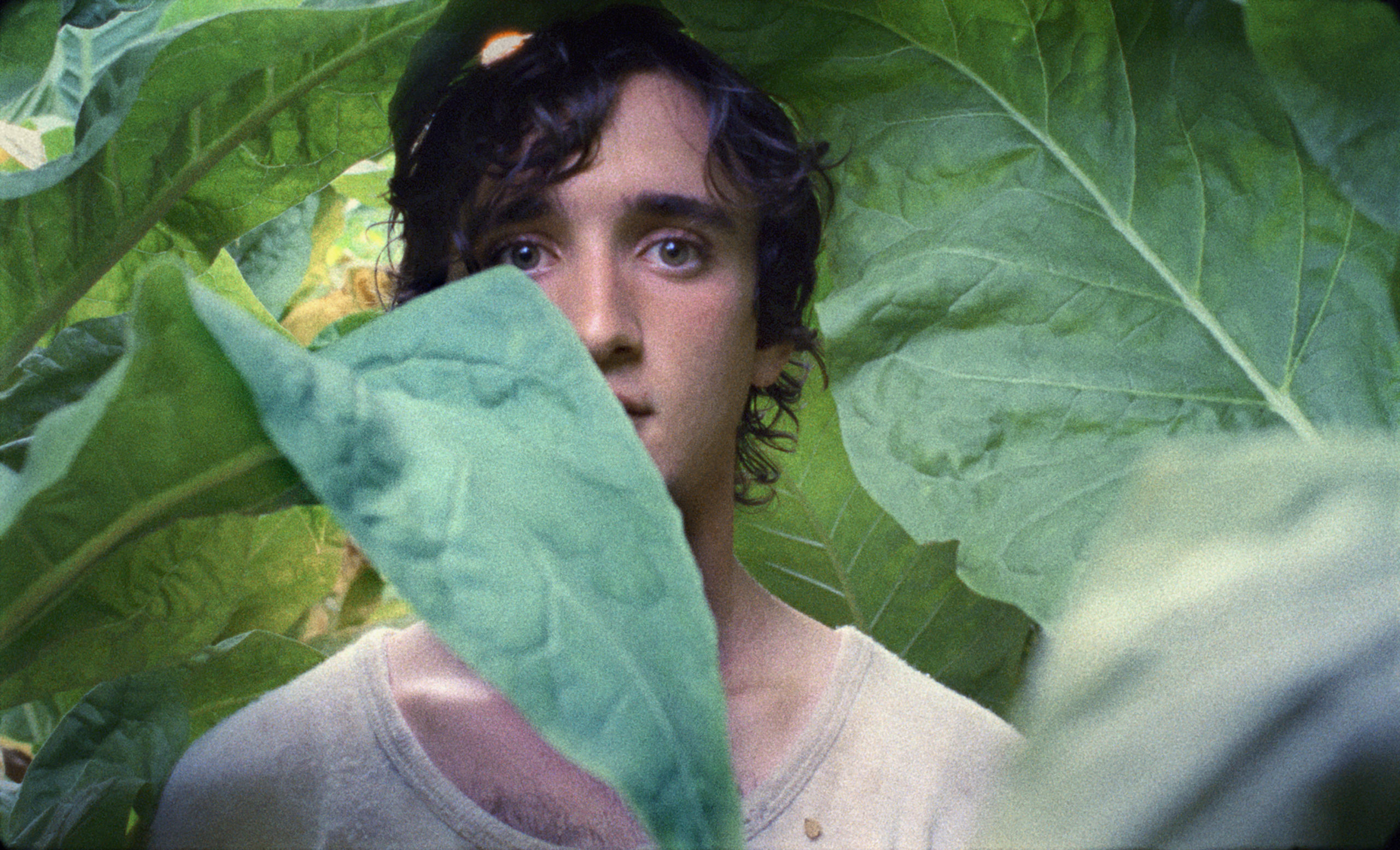
Lazzaro is a young boy in his twenties, with a robust build, dark curls and water-green eyes. A hard worker, he harvests tobacco for the wealthy Marquise de Luna (Nicoletta Braschi) along with fifty-three other peasants, all condemned to the harshest labor and a material misery even drier than the earth in this rocky, almost desert-like landscape of deepest Italy in summer. Three or four generations survive in the hamlet that is the’Inviolata, property of the Marquise.
But the rebellious gaze—filled with pity or defiance—that the audience casts upon this community is not one that the community itself adopts. No, because, as the Marquise so aptly puts it to Tancredi (Luca Chikovani), her son with bleached hair and a frail yet well-groomed appearance, «men are beasts. To free them is to make them aware of their status as slaves; that is the deception.» Thus, unaware of the state of the world beyond their isolated hamlet, the few generations there work alongside Lazzaro, whose boundless kindness sustains them every time his name is mentioned.
While he is spending a vacation with his mother at the’Inviolata, Tancredi befriends Lazzaro—at first out of boredom, then sincerely. Lazzaro returns this friendship with undisguised purity and naivety. Led by Tancredi, they set out to convince the Marquise de la Luna that her son has been kidnapped. Though ill, the loyal Lazzaro nevertheless tries to find his companion—a resolve that leads to his death and return to life, a double journey through time and into the urban landscape beyond the’Inviolata.
A Complete Work
As the credits appeared on the giant screen, the name of Adriano Tardiolo, the actor playing Lazzaro, appeared alone before giving way to the other cast members—who were, incidentally, just as brilliant as he was. At that moment, the packed house at this Swiss premiere breaks into applause—sincere, yet still subdued by the final scene of Lazzaro Felice, which leaves one speechless, stirs up disgust toward the inhumanity that all of us know only too well.
Far from rural stereotypes and ready-made clichés, the story of Lazzaro Felice, Brought to the big screen with exceptional subtlety in both its visuals and storytelling, it offers a starting point for reflection based on what Alice Rohrwacher calls the’hyperreality of the world. From the countryside to the city, every emotion and every thought is brought to the forefront. As the screenwriter says, «There was a complex feeling I wanted to convey […] it’s a mix of great joy and sadness.»
This complexity, however, only becomes apparent when it comes to analyzing and describing the film. As viewers watch the screen, the scenes—shot successively at night and then during the day—take the viewer by the hand and lead them seamlessly to the boundary aptly described by Frédéric Maitre, who came to present the work, as «porous»—between the fantastical and the real, between the symbolic and the rational. This diptych, in fact, effortlessly conveys a complex message through symbols woven into the imagery and dialogue.
Take light, for example: constantly present yet never imposing itself, it takes more pleasure in inhabiting the darkness than in overcoming it. It invites the viewer to immerse their gaze in this visual twilight and, as a great symbol of knowledge, asks them to consider with moderation the theme of subjugation through lack of education or religious indoctrination.
«I wanted to make a film in which we are the migrants. Sometimes immigration happens over a distance of just a hundred meters: perhaps bringing the image closer to ourselves could contribute to peace.”.
»It's a religious film—and fundamentally anti-religious." A. Rohrwacher (These days, FranceCulture)
Religious, Lazzaro Felice? Catholic, at least. The «poor blessed one,» resurrected through his candor and unwavering innocence, is more the embodiment of qualities we here on earth tend to attribute to the Christian God (kindness, purity, or innocence) than a real person. And the acting—the gaze of Adriano Tardiolo, who plays Lazzaro—is itself of such purity that the divine shines through without him saying a word.
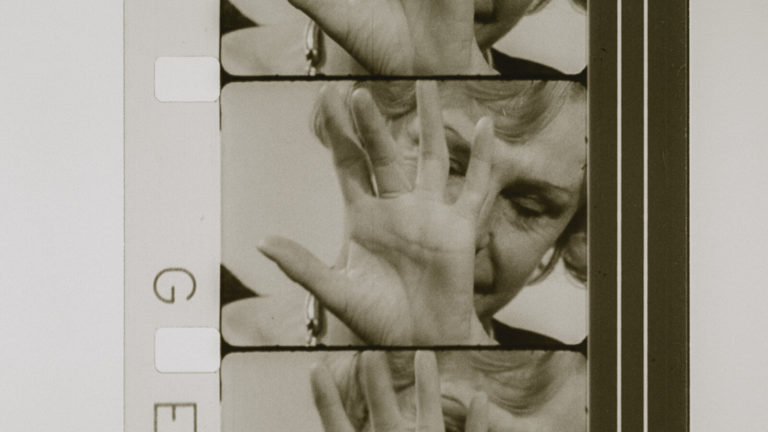
The grain of the footage shot on 16-millimeter film—with a look similar to that of film photography—brings the uncertainty of life to the screen and continues the work pioneered by Alice Rohrwacher: blurring boundaries. The first boundary to crumble is the one separating the historical past from the modern present—first through the image itself, captured as we know it; through the actors as well, all too convincing to be mere actors; and finally through the constant possibility of a shift toward magic, toward the impossible.
A treat for the soul and the eyes, Alice Rohrwacher’s inexplicable film has something to speak to us all. By subtly addressing current issues such as migration, offering an equal perspective on the city and the countryside, connecting every element, and never losing sight of the path that guides us between documentary and imagination, Lazzaro Felice stirs a longing for the absolute and leaves a tenderly painful trace.
Write to the author: [email protected]
Photo credit: © Filmcoopi
| LAZZARO FELICE |
|---|
| Italy, 2018 |
| Production: Alice Rohrwacher |
| Screenplay: Alice Rohrwacher |
| Interpretation: Adriano Tardiolo, Luca Chikovani, Alba Rohrwacher, Agnese Graziani |
| Production: Emita Frigato |
| Distribution: Filmcoopi |
| Duration: 2h10 |
| Output: November 25, 2018 |
You'll also like

 French
  German
  English
Leave a comment