





«The Traitor»: the tragi-comedy of the Mafia and Italy
Cinema Wednesdays - Loris S. Musumeci
In tragi-comedy, There are tragedies and comedies. In fact, if the mafia is a source of tragedy, there doesn't seem to be anything very comic about it. In cinema, and in the arts in general, we know how to arrange reality to suit a scenario. We know how to transform a banal life into a spectacle. In the case of Traitor, director Marco Bellocchio doesn't fix reality and doesn't tackle a banal figure.
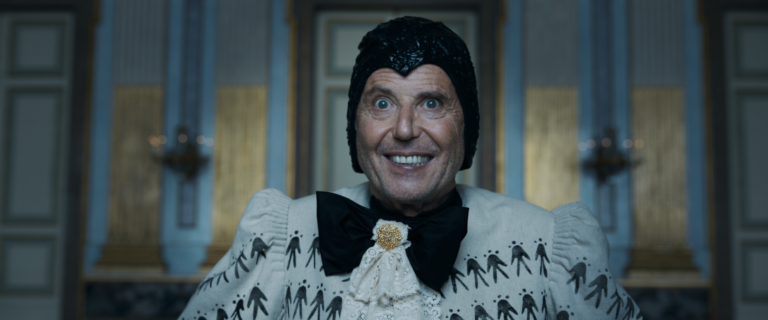
He simply romanticizes, as he should. He magnifies the features, playing on the permanent exaggeration of the Sicilians. Some scenes come close to being theatrical. The film has been criticized for this, but it also shows the lightness of the Mafia world, which suffocates its conscience under the cloak of folklore and tradition. The fictionalized biography of boss repentant Tommaso Buscetta shows us that behind the laughter and grotesque cries, there is only tragedy. And one man's regrets.

Tommaso Buscetta, a portrait
Before talking about the film itself, it's best to know who we're dealing with. Tommaso Buscetta was born in the Palermo of 1928, which had neither recovered from its annexation by Italy in 1861 nor from the poverty of the First World War. Sicily, a land of misery. Sicily is also said to be the land of the Mafia. Contrary to the ideals of Italian unity, the State is present on this island only on paper. The organizations take care of order and their so-called justice.
When you come from the poorest class in Sicily, there are three ways out. Leave, join the orders or take part in these local organizations. Young Tommaso, a poor man among the poor, is one of those ambitious people who have decided not to lead the same hard life as their fathers. Tommaso loves Sicily too much to leave, just as he loves women too much to imagine celibacy. There's only one option left. He's not even twenty yet, and he's already sworn lifelong loyalty to the Mafia, signing his blood on a holy image.
He becomes a «man of honor», believing himself invested with the mission of protecting the widow and the orphan. But he's not naive, and easily gives up on the ideal he may have once sincerely set for himself. Down with the widow, nothing to do with the orphan, all that matters is money, power and, above all, women. Tommaso Buscetta kills and extorts as do all Mafiosi, who are nothing other than criminals.
A natural leader, he ranks within the Cosa Nostra organization. Then the family war broke out, and Cosa Nostra was born. They want Buscetta and his gang who refuse to identify with the new Cosa Nostra. He's certainly learned to be a bastard, but his experience as a father imposes limits that can be broken. No, he won't be taking part in the business of which the Mafia organization is bursting at the seams: drugs. Because he suffers from the inside, because his son is the victim of the business he himself set up, and this is unbearable for him, it destroys him.
Buscetta opens his eyes to the horror in which he is participating. Exile to Brazil. He becomes the Godfather of the Two Worlds. No drugs, no more Cosa Nostra, but he remains a Mafioso for the prestige and luxury he's been too accustomed to give up. The good life, love on the beach, children. However, the atmosphere has heated up in Sicily. The group who want to eliminate Buscetta are still on the hunt; they're looking for him, but without success. So they might as well go after other Buscettas, even if they're not Mafiosi. They kill Buscetta's two sons left in Palermo, two young men who worked honestly, far from their father's trail. The father is devastated. Destroyed by the disappearance of his sons, destroyed by the sense of justified guilt that crushes him.
When he was arrested, Tommaso Buscetta refused to talk, despite the tragedy he had experienced. «I was and remain a man of honor».», he asserts. He learns that the rest of his family back in Sicily have been murdered. He explodes, and speaks. Extradition to Italy. Meeting with anti-mafia judge Giovanni Falcone, to whom he tells everything, absolutely everything. Cosa Nostra is surrounded. The man of honor becomes the traitor. He becomes a pentito, In other words, a repentant man. A man who repents, above all, for having caused the death of virtually all those close to him. Arrests abound. We finally believe that the mafia has come to an end - and this time for good.
But the new head of Cosa Nostra, Totò Riina, has more than one trick up his sleeve. He succeeded in executing Judge Falcone and many of his colleagues. Sicily is at war; Italy is at war. Riina is eventually found - dead in prison in 2017. Buscetta died of cancer in 2002, after spending a few happy years with his wife and children who survived, but burned forever by the evil he committed and which nothing can erase. The tragic destiny of a man and his descendants, who still live in the United States today under a false identity and police protection. «The mafia never forgets.»

Bellocchio's free look
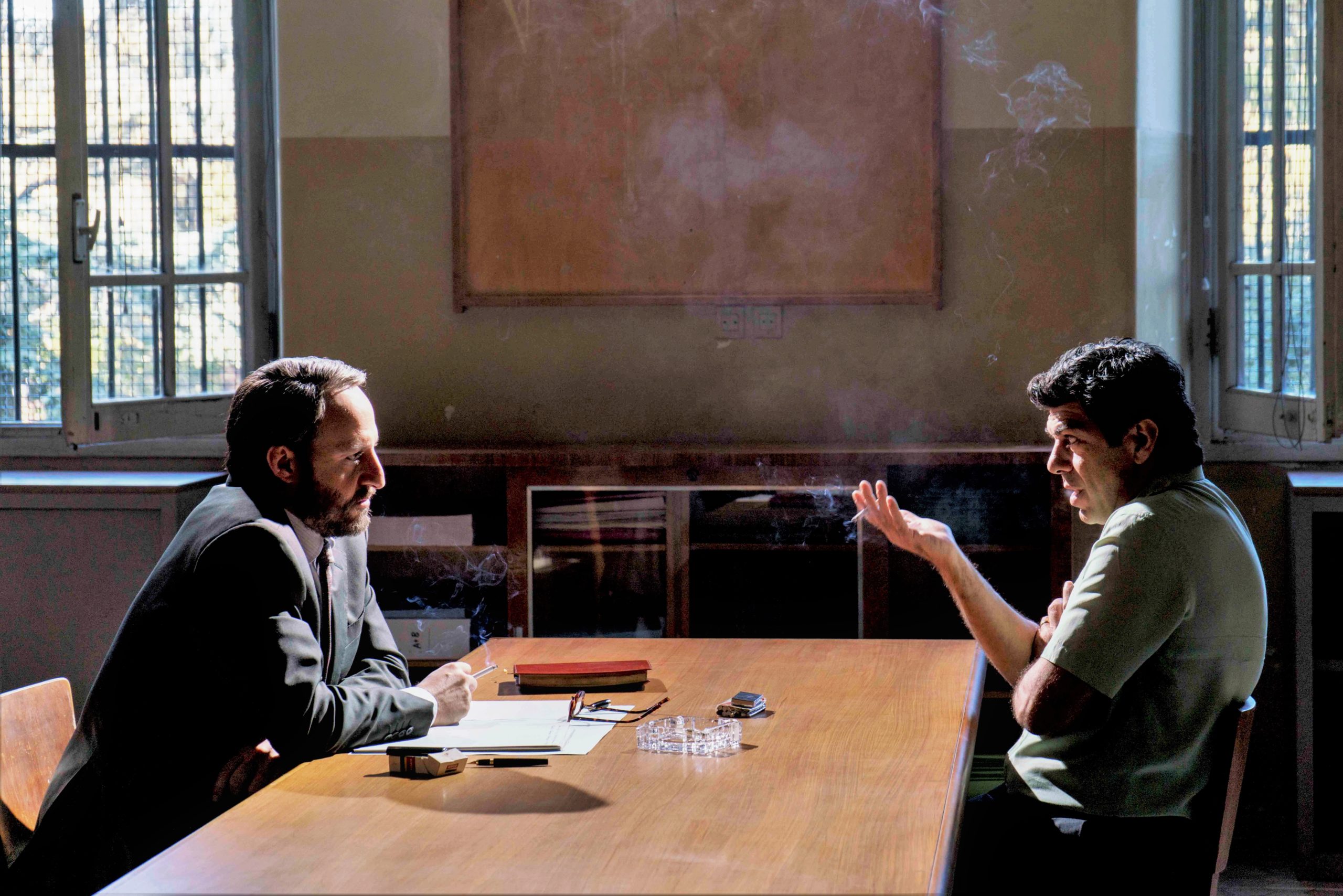
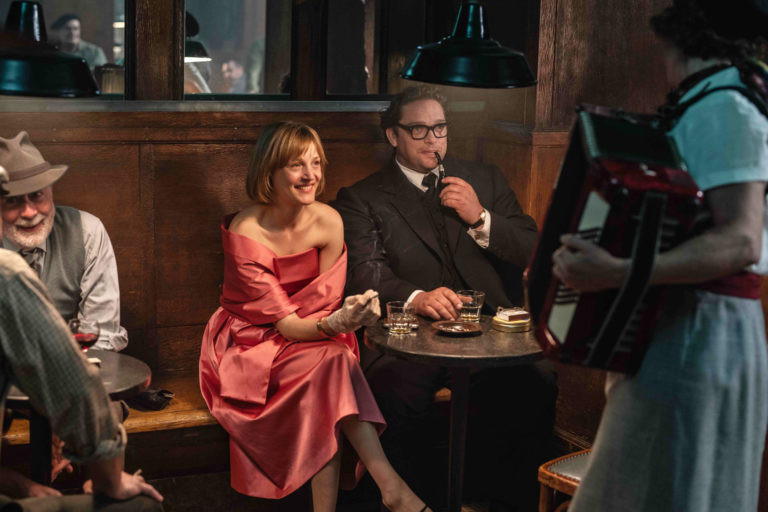
Bellocchio staged this biography in The Traitor. With as much cinematic talent as commitment. The director has decided to paint a portrait of Buscetta that endears him to us. He shows his intimacy, with his family, dancing and singing. Just as he shows the unlikely friendship that grew out of the revelations between the repentant mafioso and Judge Falcone.
We're carried away by two and a half hours of film that blend folklore, celebration, religion and even esotericism. Under the music of Nicola Piovani, famous for the cult soundtrack he composed for Life is beautiful by Roberto Benigni, the cameras dance from one face to another, from one gaze to another, from one Mafia language code to another. What's more, several shots recur identically throughout the film. A game of repetition that exposes the vicious circle created by the Mafia, and also shows the psychological worries of criminals who know the horrors they have committed, but are unable to regret it because of a so-called honor they have to uphold.
Marco Bellocchio takes a free look at the mafia, just as he takes a free look at Italy today. In his eyes, his country is tragi-comic. Sometimes, all that's left to do is laugh at the absurdities of attitudes and politics. While Italians would like their country to change, the Italian spirit refuses to budge. Because tradition is too great; institutions, rotten from within. Italy is constantly living in tragedy, and laughing about it. The Mafia is a comedy run by monkeys ridiculous in their pride, and their victims still weep for it today. Despite his excellent direction, Bellocchio can be unabashedly criticized for his pessimism. Even if he may have a point.
Write to the author: loris.musumeci@leregardlibre.com
Photo credit: © Filmcoopi
You'll also like


 French
  German
  English
Leave a comment