



Gangsters in film

Cinema Wednesdays - Special edition: Les coronarétrospectives du cinéma - Loris S. Musumeci
Cinema means traveling while sitting in your armchair, experiencing a life that's not your own. Cinema is dreaming. It's about dreaming other lives that we couldn't or wouldn't want to lead in reality. Gangster films, for example, offer a dream. Sometimes the viewer imagines himself as the big boss, sometimes as a policeman. In any case, he always imagines himself with a gun in his fist. Entering into an adventure where risking one's life is an everyday occurrence. But in gangster movies, it's more likely to be as a gangster. In other films and TV series, it's the policeman or investigator who has the upper hand.
If we take the example of the genre's greatest films, such as the Sponsor (Francis Ford Coppola, 1972, 1974, 1990), there's nothing to make you want to identify with any policeman, vigilante or politician. The heroes are the Corleones. And only them. The other Mafia families involved in the three films are in turn enemies of the Corleones, enemies of the viewers. In a way, the Corleones are the nice films and become our nice to us. We take their side, we fear for them, we weep with them in tragedy, we scheme with them, we enter into family, we make with them «an offer you won't be able to refuse».
Beyond the case of Sponsor, The same is true of all gangster films, where gangsters fascinate. They have class. The power. The money. The women. And sometimes, they don't have the class, the money or the women, and we still like them. The model is not fixed. Underworld cinema - a sub-genre of action or crime films, or even a genre in its own right, depending on your criteria - has been constantly enriched since the post-war years by masterpieces and minor films that give it a highly diversified range of styles. Every criminal in the world will find something to suit them, from the tuxedo-clad mafioso to the neighborhood thug.
Read also: The Traitorthe tragi-comedy of the mafia and Italy
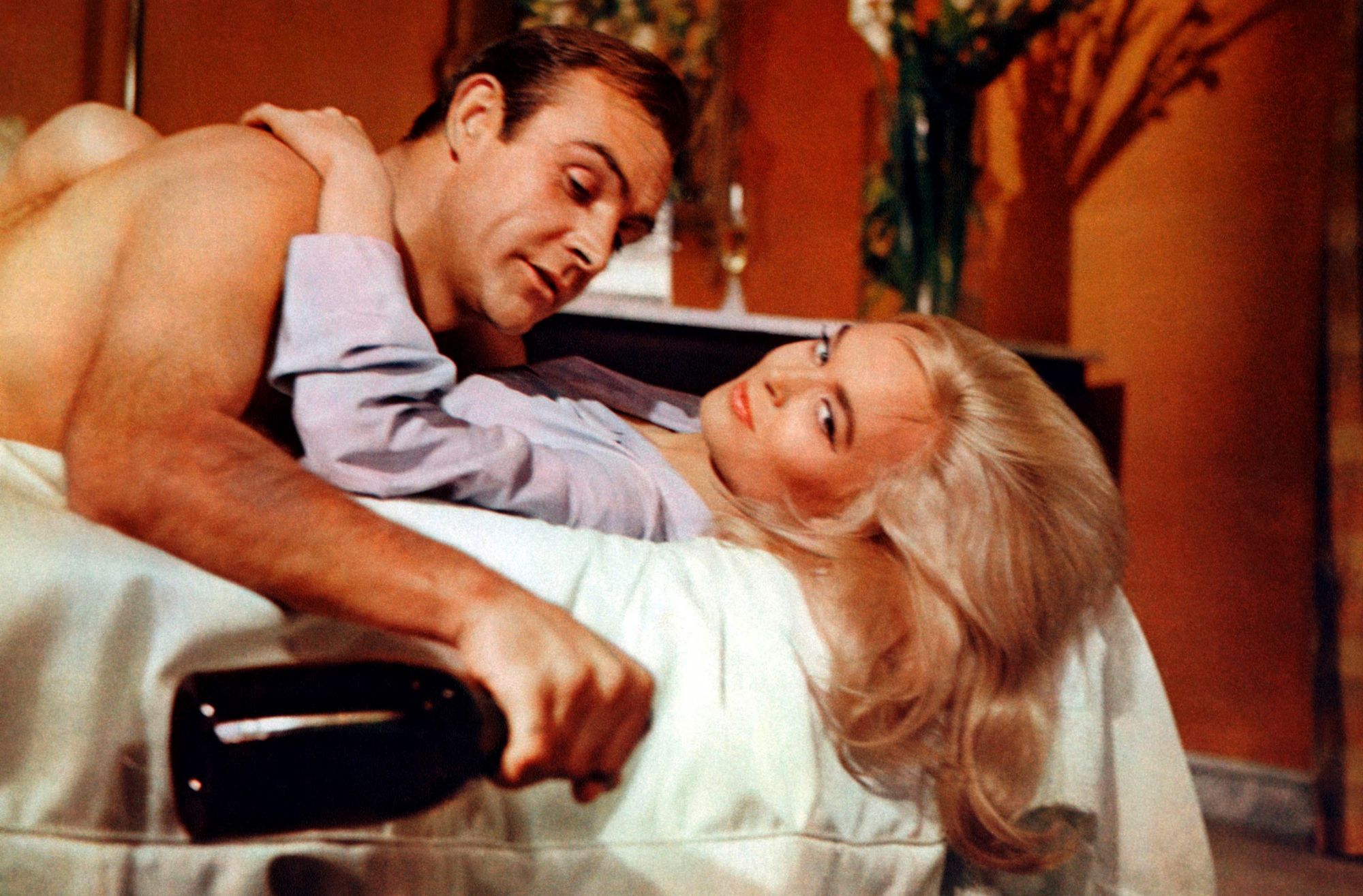
In the diversity of gangster films, and crime films in general, everything hinges on the places assigned to good and evil. In the case of Sponsor, there's an inversion. The badly that these criminals commit becomes the well to save honor, family and the whole business set up in the name of fighting injustice - that's the whole point of the Godfather II which returns to Don Vito Corleone's childhood. In the case of James Bond, not inversion, but flirtation between good and evil. And flirtation it is, because Agent 007 always sleeps with a woman who is initially evil. And he often stands up to legal authorities. He fights for one party, in this case the UK or the West, against another party, which is nonetheless not evil per se, like the USSR in the past and any enemy entity of the Western world. The James Bond, As Manichean as they may seem, the villains are often given legitimate reasons for their actions, which don't always have to mean the outbreak of World War III or the destruction of the world.
As with superhero films, gangster films feature the confrontation between good and evil, either from the gangster's point of view, or from the policeman's point of view, in the films proper. police officers, from both points of view. The criminal and the vigilante confront each other, and each has his reasons, each is highlighted; this creates strong sensations, and a real turmoil between good and evil. This is exactly the case in Stop me if you can (Steven Spielberg, 2002), in which DiCaprio, as a sympathetic young gangster - or hustler - does indeed commit evil in his frauds, but the viewer identifies with him and hopes he doesn't get caught. The role played by Tom Hanks should not be overlooked, even if it's a minor one. He's also endearing because he's very human and a loser, with whom the viewer also identifies, and also hopes that he'll manage to arrest the young hustler. In La French (Cédric Jimenez, 2014), the same process: a confrontation between two powerful figures. For the most part, viewers identify with Judge Michel - to whom the film is dedicated - and thus with good; but also with evil, through their attachment to the judge's enemy, the boss Zampa.
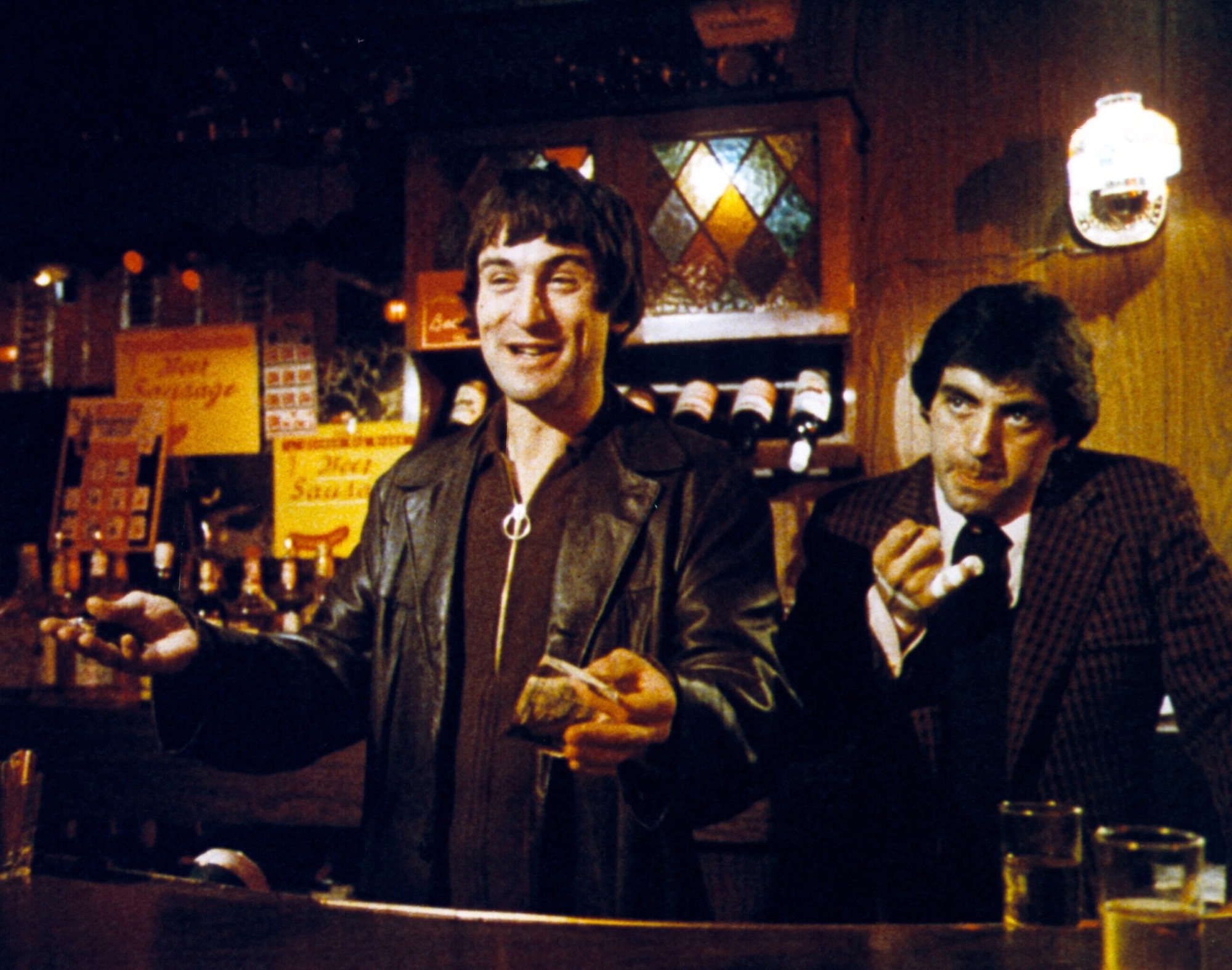
And from these models of the interplay between good and evil, from the quality of their scripts, actors and directors, and from their popular and critical successes, gangster films have established themselves in the noblest cinematic culture. As these films have become cult favorites, their codes have been further manipulated. This is how the genre evolves and renews itself. The pioneer in this field was Martin Scorsese, who was able to show his gangster characters' weaknesses and humanity in all their awkwardness, leading to the integration of comedy into these films. Think of the excellent Mean Streets (Martin Scorsese, 1973) - the first collaboration for the genial Scorsese De Niro duo - not only is it packed with humor, but it also shows how the would-be mafiosi featured in it have their loser, lost side. These youngsters are more interested in having fun, partying and having a good time with friends than in the real mafia business they pretend to be in.
Heir to Scorsese, Tarantino takes gangster films and gives them a parodic twist, which in no way detracts - quite the contrary! - from the pleasure of watching hustles, fisticuffs and gunfire. In Reservoir Dogs (1992), his first film, the gangsters, however ridiculous they may appear, lack neither class nor skill in their handling of the gun. His next two films Pulp Fiction (1994) and Jackie Brown (1997) continue to play with parody, while at the same time offering viewers a real story and a real adventure with criminals, where we again find the emotional identification with the character who does evil, but whom we love and would like to be like - especially in Jackie Brown - if only for the duration of a film. To become a bit of a gangster yourself, without the risk of killing anyone or getting shot in the head.
On today's program in «Les coronarétrospectives du cinéma», go back to childhood and play policeman-thief with them:
- La French (2014) by Cédric Jimenez
- Once upon a time in the Bronx (1993) by Robert De Niro
- Scarface (1983) by Brian De Palma
Write to the author: loris.musumeci@leregardlibre.com
Photo credit: © Paramount Pictures (image from the Sponsor by F. F. Coppola)
Vous aimerez aussi


 French
  German
  English
Laisser un commentaire