




«Mank», an artist's revenge on the film industry
Saturday movie platforms - Ivan Garcia
A feature film presents the genesis of Citizen Kane through the portrait of the screenwriter who brought this work to life. An opportunity to discover one of cinema's great «little hands» and to reflect on the relationship between the film industry, money and power.
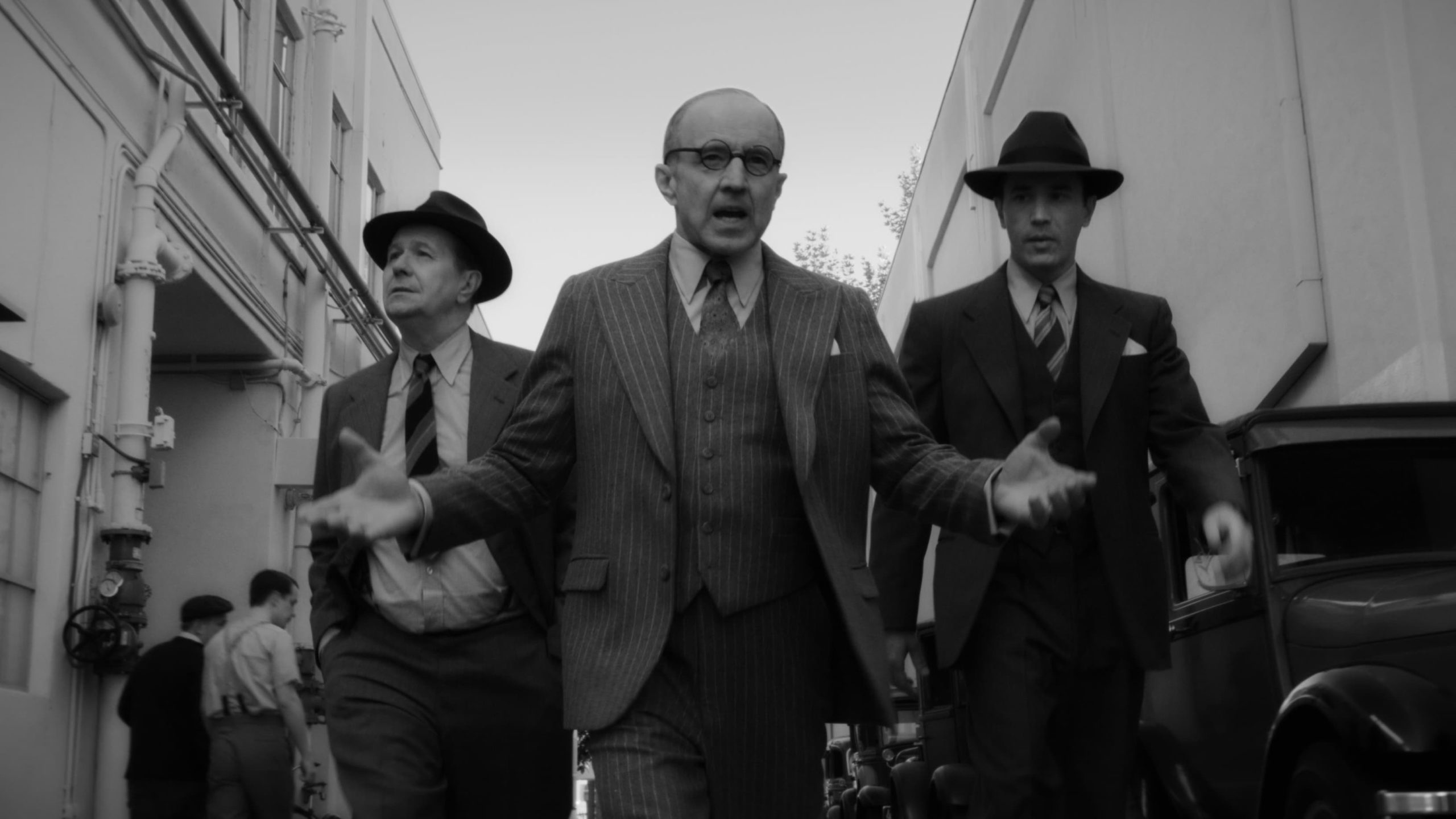
Released on December 4 exclusively on Netflix, Mank is the latest feature film from David Fincher, the director famous for, among other things Fight Club. From the outset, the filmmaker sets the tone by explaining, in a text placed at the beginning of the film, that Orson Welles, aged 24, had obtained a contract from RKO giving him carte blanche to produce the film of his choice with whomever he wished. Welles, in search of success, turned to a certain American screenwriter whom the film world at the time considered «finished». His name? Herman J. Mankiewicz, alias «Mank». The film revolves around the screenwriter trying to write the script for Welles' next film, and the mysterious reasons why he decided to make it. Mank therefore belongs to the biopic (biographical film).
A story of revenge
But why are we interested in the life of Mr. Mankiewicz, you may ask? Because Mank is one of the co-writers of Citizen Kane, considered «the best film of all time». In fact, it is, Mank traces the genesis of Citizen Kane, We also learn about the elements that inspired Mankiewicz to write the screenplay for this film. In the course of the film, we learn that, although Welles is co-writer of Citizen Kane, Mank did all the work and came up with the idea.
Now let's take a closer look at the Mank.In 1940, a strange trio arrives at a country house in Victorville: two women and a man with a leg in plaster and bedridden. It soon becomes clear that the latter is Herman Mankiewicz, and that it was Orson Welles who sent him on a «writing residency», as we would say today, in the country. Mank, who had been in a car accident, met Welles in hospital - the meeting scene, incidentally, presents Welles as a kind of evil being with his long black hat and satanic laugh - and the latter offered to work for him. Welles wanted his film to be a hit. The problem was, he only gave Mank 60 days to write the script, and Mank was an alcoholic... Nourished by classical writers (Shakespeare, Cervantes...), Mank already had an idea in mind: he wanted to take a kind of revenge. The revenge of art on the world of money and hypocrisy. To achieve this, he will delve into his memories to bring his new work to life. It's up to viewers to discover why he's doing this, and who the «culprits» are.
But let's state the obvious. It's difficult to fully grasp the originality of Mank without a vague idea of what it's like Citizen Kane, the story of newspaper magnate Charles Foster Kane, who on his deathbed utters one last word, «Rosebud», which sets a journalist on a quest to find out the meaning of the word from people who knew Kane. Well, in Mank - at least according to the author of these lines - it's the story of revenge on a certain press magnate invested in the film business. A milieu with which Mank has little affinity...
Hollywood and the '30s
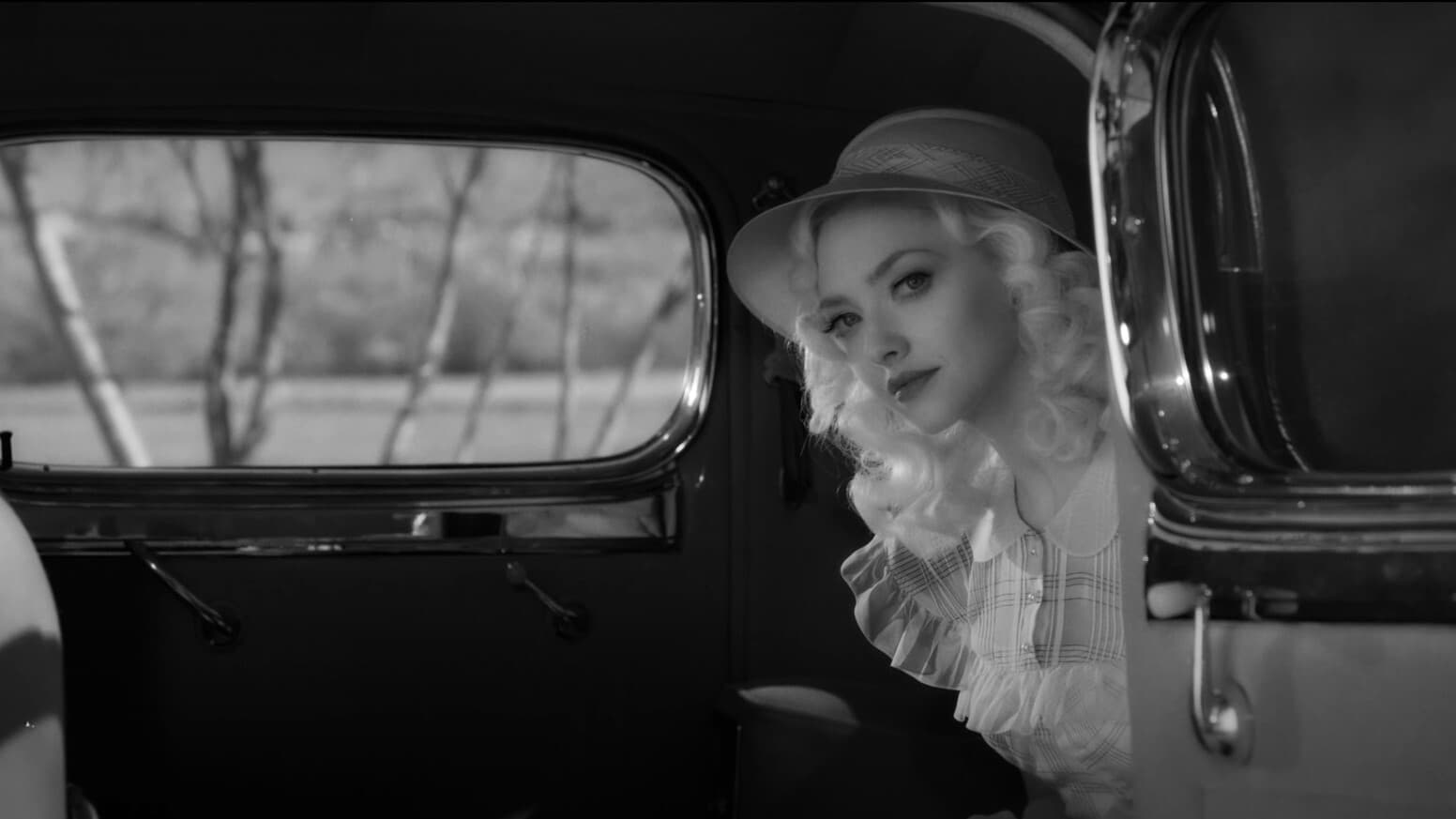
Firstly, from an aesthetic point of view. Mank relies on black and white images (such as Citizen Kane), giving the film a «period film» feel, especially when it comes to the various flashbacks that punctuate the narrative. Here's another point in common with Citizen Kanea non-linear narrative with plenty of flashbacks. These take us back to Hollywood in the 1930s. We follow Mank, a successful screenwriter who regularly rubs shoulders with the stars of the show business and bigwigs such as newspaper magnate William Randolph Hearst, actress Marion Davies, Hearst's lover, and Louis B. Mayer, head of the Metro-Goldwyn-Mayer film production company.
In the midst of all this, Mank is certainly talented and well surrounded, but he's chosen the role of «token clown». He drinks too much and has a tendency to be too frank and direct. But in 1930s Hollywood - as today - it's all about the money. From social dinners to script discussions, Mank's opinions dissent from those of his associates. The event that ignites the fuse? A political campaign pitting Upton Sinclair, a socialist, against Frank Merriam, a Republican supported by the hero's inner circle, for the governorship of California, which will leave a bitter taste in Mank's mouth, especially as it shows him the «power of cinema» and the «immense responsibility» borne by the man who stands «behind the camera».
So there are several stories integrated (flashbacks) into the framework story (Mank, who wrote the screenplay for Citizen Kane). Each flashback is introduced with precise chronological elements (place, year...) as if it were more than a memory, more like an archive. What's intriguing is the choice of framing. Often, there is an alternation between American shots and close-ups, which emphasize the physiognomy of the characters and, in particular, their different postures. For example, when Mank is «convalescing», the camera often shows him in a waist-up shot when he's working, and in an American shot when he's sleeping, as if to emphasize these details.
Mank is an intriguing film. On the one hand, its material allows us to explore the life of Herman Mankiewicz and the Hollywood milieu of the «30s. On the other hand, far from being boring, the feature is easy to watch, not least because the flashbacks allow the reader to »cut away" from the main plot and deepen his knowledge of Mank. Nevertheless, it has to be said that the film has a large number of characters and, without prior knowledge of these well-known figures, it's difficult to remember who's who in this story with drawers... A film to be watched patiently and, if possible, after having seen Citizen Kane before.
Write to the author: [email protected]
Photo credits: © Netflix

You'll also like



 French
  German
  English
Leave a comment