




«Matrix 4»: between cynical product and self-destructive masterpiece
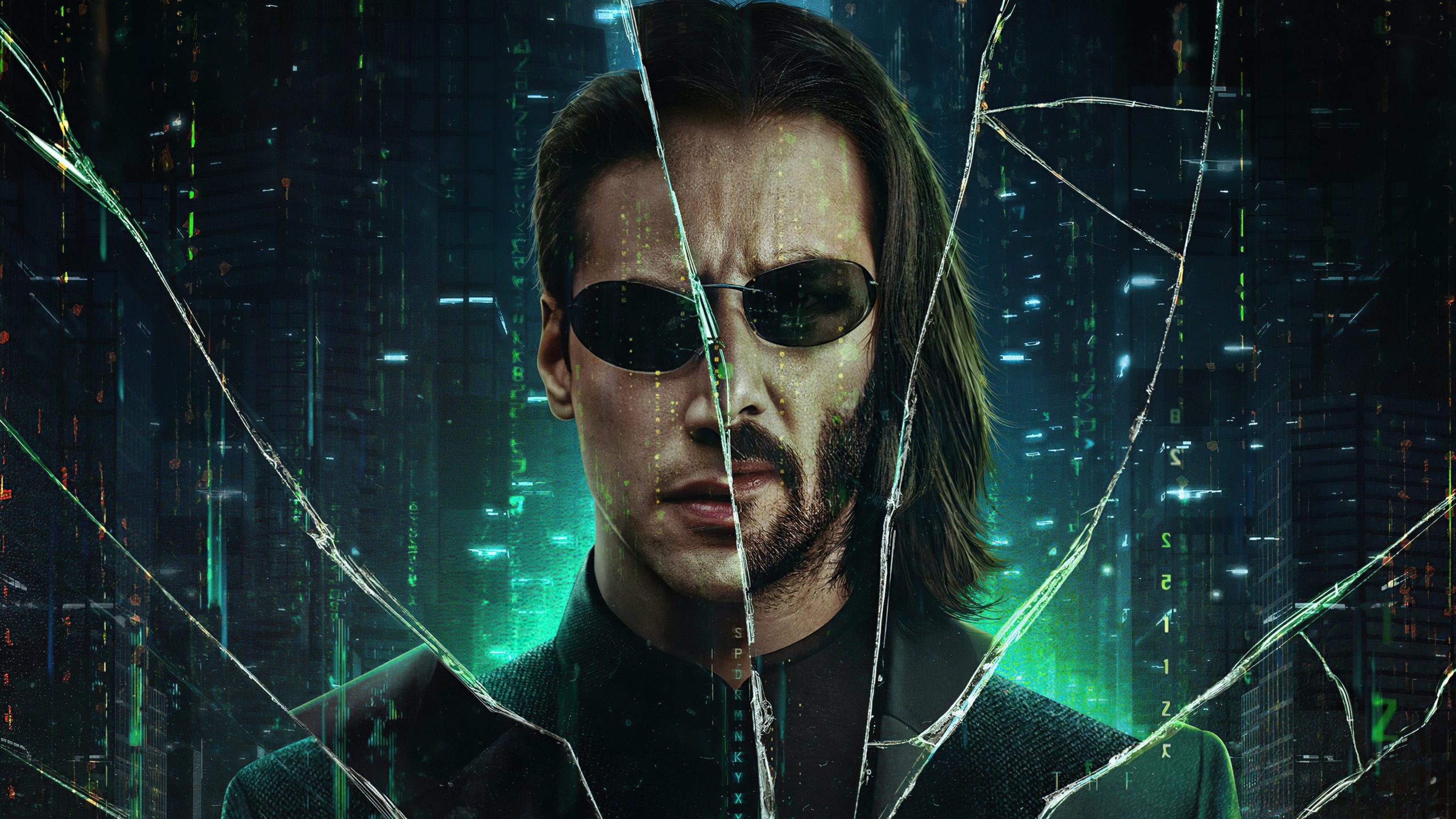
matrix 4
Cinema Wednesdays - Jordi Gabioud
Back with Matrix 4 in the temple of digital mirages where the laws of physics and time can bend to the convenience of the divina voluntas of our favorite chosen one. Twenty-two years after the film that revolutionized the blockbuster, Lana Wachowski once again invites us to follow the White Rabbit. For better or for worse.
Thomas Anderson (Keanu Reeves) is a popular video game developer known for a successful trilogy: Matrix. However, the neurotic man struggles to distinguish reality from the world of his games. Moreover, he feels mysteriously drawn to a stranger, Tiffany (Carrie-Anne Moss). It is on this path—already jam-packed with references—that *The Matrix 4* begins. And while we’re delighted to be reunited with our magnificent heroes, we quickly grow disheartened to see them mired in the same flaws that plagued the first installment. The Matrix: Resurrections Could this be the third sequel too many? Let's venture into the Matrix to find the answers to these questions.
The Matrix: An Ode to Love
Whether you like it or not, The Matrix: Resurrections Many critics agree: it won’t be a hit. Too niche, too lackluster, too complicated, a trailer that doesn’t sell, a project that seems to have come out of nowhere… The film’s disillusioned take on the current state of the Hollywood blockbuster won’t appeal to a broad audience, which is seen as willingly trapped in a mold that the Wachowski sisters spent three films deconstructing. Let’s not forget, either, the less-than-enthusiastic reception given to the second installment, followed by the eventual split with The Matrix: Revolutions. However, over time, both of these aspects will be partially vindicated by a certain segment of fans and critics. And that is exactly what will happen with this new installment.
Read also | The Matrix and the New Totalitarianism
However, if we may be so bold as to give away the plot based on this sentence, the foundation of the saga couldn’t be simpler: a struggle for love. This is always the case with Matrix 4 which makes the relationships between individuals the driving force behind its narrative and its themes. Behind its narrative, since it revolves around the age-old hero battling a system to win back his beloved. Behind its themes, because none of the many interpretations of the Wachowskis’ work can be separated from the question of interpersonal relationships. This narrative thus draws on the fundamentals of Campbell’s myth. Neo, this digital Sisyphus, must tirelessly fight against the system to save those he loves. A universal struggle that should speak to everyone, right? Wrong.

Against Hollywood
Based on this topic, The Matrix: Resurrections features a wealth of themes and quotes. The film is fully aware that it is yet another sequel, arriving nearly twenty years after its heroes were left for dead and peace was established between humans and machines, between cinema and digital media. Strongly reminiscent of Freddy Emerges from the Night (1994), the film embarks on a meta-narrative in which Lana Wachowski’s vision for this new installment is depicted within the film itself through the character of Thomas Anderson (Neo), who is tasked with developing a sequel to his «Matrix» video game trilogy. The film emphasizes that this is not the author’s own idea—he is working on it reluctantly—but rather the studios’ (Warner Bros.) initiative.
This is where the references and allusions to previous films—to the legacy of the entire series—really come into play. The film tackles this head-on, even going so far as to rework certain scenes from the first installment when it doesn’t directly incorporate shots from previous films. The Matrix: Resurrections is a project that’s carefully crafting its narrative. The merit of this effort is that the message is clear: the studios want a sequel to the saga Matrix, it will include everything that made the previous ones successful, even if the result will be nothing more than a disappointing commercial product.
It is on this basis that critics are divided: some defend a film that deliberately sabotages itself to serve as a middle finger to the studios (remember that the slogan of the film’s production company is «for those who love to eat shit»). Thus, the lackluster action scenes, the muddled dialogue, and the ridiculousness of certain characters are forgiven because they are intentional. Other critics, however, argue that even if the film is meant to be ironic, it still fulfills the required specifications and therefore conforms to everything it denounces. This debate comes dangerously close to the notion of «the author’s intent,» which holds that any interpretation of a film should be based solely on the creator’s intentions. While this may indeed offer some insights, reducing Matrix That is the best way to undermine the work.
An Open Work
In reality, we cannot reduce this Matrix 4 to this question. For the film, mindful of its legacy, strives to draw upon numerous interpretations and validate them in order to continue building on them. The theme of free will returns, in a toned-down version, and is even parodied at times; causality remains a fundamental driving force of the narrative. The question of nature versus nurture comes even more to the forefront and challenges our desires.
The meta-discourse on the film industry is thus just one interpretation among many others. All of this sometimes devolves into discursive cacophony, which is why we’ll have to wait a while to see the whole thing thoroughly dissected. But this also serves to push the narrative logic into the background. Take, for example, the sad appearance of the Merovingian—now homeless and destitute—who appears out of nowhere to deliver a scene that is particularly lacking in action, all justified solely by the desire to ridicule a conservative patriarchy that has been rendered obsolete by this new matrix-like world.
The Matrix: Resurrections is a draft that has already begun to divide opinion. But one thing is certain: once the general public has moved on and forgotten it, its greatest defenders—lovers of interpretive decoding—will remain, untangling all these discursive threads to turn it into a self-reflexive masterpiece misunderstood by critics. In the meantime, The Matrix: Resurrections brings us back to the basics: that boulder of Sisyphus is always easier to move when there are two of us.
Write to the author: [email protected]

Photo credits: © Warner Bros. Entertainment Inc. and Village Roadshow Films (BVI) Limited

You'll also like






 French
  German
  English
1 comment
Hi, guys—this is a great post about culture, and it's explained really well. Keep it up!.
Leave a comment