



«Matthias and Maxime: the anti-Guillaume Canet friendship

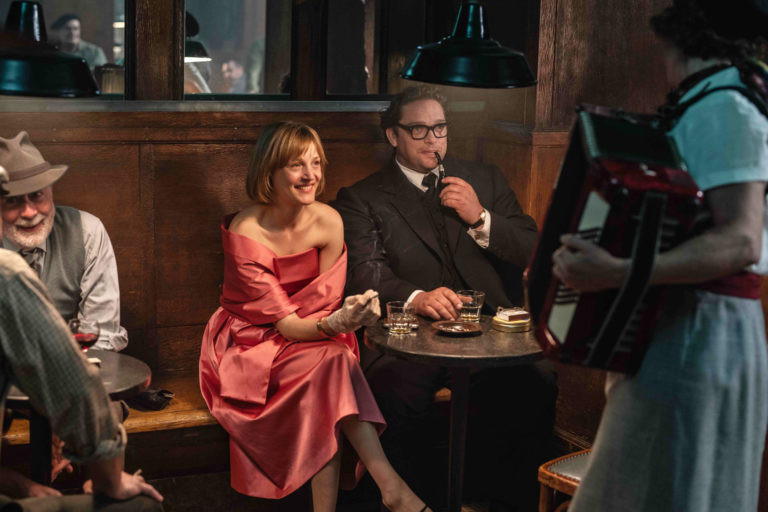
«Matthias and Maxime» (2019), directed by Xavier Dolan. Photo: Pathés Films
Just one year after the Hollywood film My Life with John F. Donovan, the young prodigy of Quebec cinema returns to his roots with Matthias and Maxime. The art of creating a work of fiction with your real-life friends, while avoiding the trap of in-lawhood.
A true “Arlesian” of the Cannes Film Festival and the subject of fierce, widespread criticism following its screening, we had almost forgotten about Xavier Dolan’s eighth feature film. Accustomed to praise and accolades—five award-winning films at France’s most famous festival alone—was there really any cause for concern?
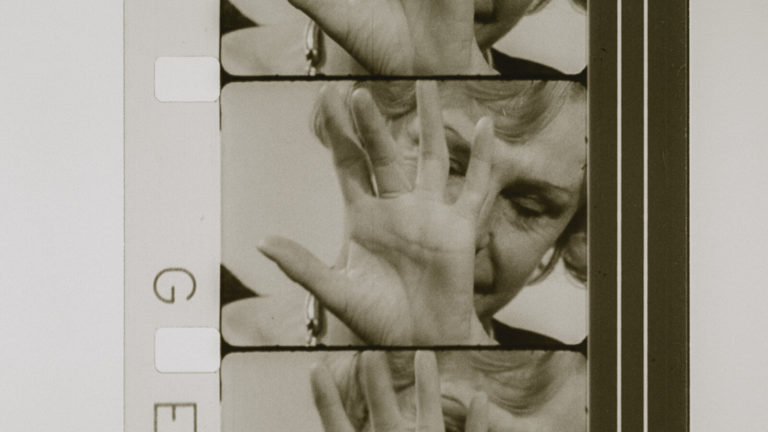
Judging by the simplicity of the plot, which is similar to a ersatz dépoussiéré, on pourrait penser que oui. Maxime (Xavier Dolan) se retrouve avec ses amis d’enfance dans un chalet quelques semaines avant un départ prévu pour l’Australie. Il accepte la proposition de la sœur de l’un d’eux consistant à jouer dans un film amateur tourné en Super 8. Le discret Matthias (Gabriel d’Almeida Freitas) perd un pari et se retrouve également embarqué dans ce court-métrage.
Together, the two amateur actors—performing just for one night—learn that the scene they’re about to act out involves kissing. A scene shot in private that will never be shown in the film, except as a reflection during a screening. Yet this fake kiss sparks something: it sends the two young men’s relationship into a whirlwind of conflicting emotions.
A counterexample to the French-style «buddy movie»
In French-language cinema—and particularly in French cinema—films about friendship are often classified as comedies, and this does not do the theme justice: Babysitting (2014) featuring the actors from *La Bande à Fifi*, which was introduced by Canal+; or The little handkerchiefs (2010) and its sequel released this year. A label that’s hard to shake: dialogue that feels forced, a sense of detachment stemming from the impression that the actors were having more fun during filming and forgot along the way that they were making a movie for an audience… An air of exclusivity reigns; we are left out.
It’s no surprise that, before entering the theater, you might find yourself cringing when you see the phrase «friends first» appear beneath the poster for Dolan’s film… And we have to admit, the film’s opening scenes create a palpable distance between the viewer and this group of friends who banter back and forth in Joual and English over cigarettes and beers with relentless intensity. Catching snippets of subtitled dialogue on the fly while five or six people crowd our field of vision—all amid frantic editing—is no small feat. This feeling quickly dissipates, however, as the film weaves together the evolution of the two men’s feelings through suggestion, silences, and absence, but also through the measured and compassionate understanding of the rest of the group.
Matthias and Maxime, between the lines
No sign of the suffocating and violent scenes seen in Just the End of the World, no part of the soundtrack overshadows the visuals as in Mommy. All the tricks you’d expect from a Xavier Dolan who clearly relished giving a climax at specific moments in his films is absent. All that remains is the timeless mother-son relationship with his muse Anne Dorval in one of the few female roles that plays a significant part in the plot, and with it, the filmmaker’s concerns that have been present since I killed my mother.
Dolan doesn't take the easy way out by refusing to succumb to melodrama: Matthias and Maxime is not so much the story of romantic tension within a friendship between two men who seem to be polar opposites socially. Rather, it is a film about friendship—the kind that exists without certainties and survives, as best it can, the trials of time, missed opportunities, and self-loathing.
While this film may be a minor work in the filmmaker's career, it certainly allowed him to take a step back and reflect on himself, surrounded by a supportive team.
You have just read an open-access article. Debates, analyses, cultural news: subscribe to support us and get access to all our content!

You'll also like


 French
  German
  English
Leave a comment