



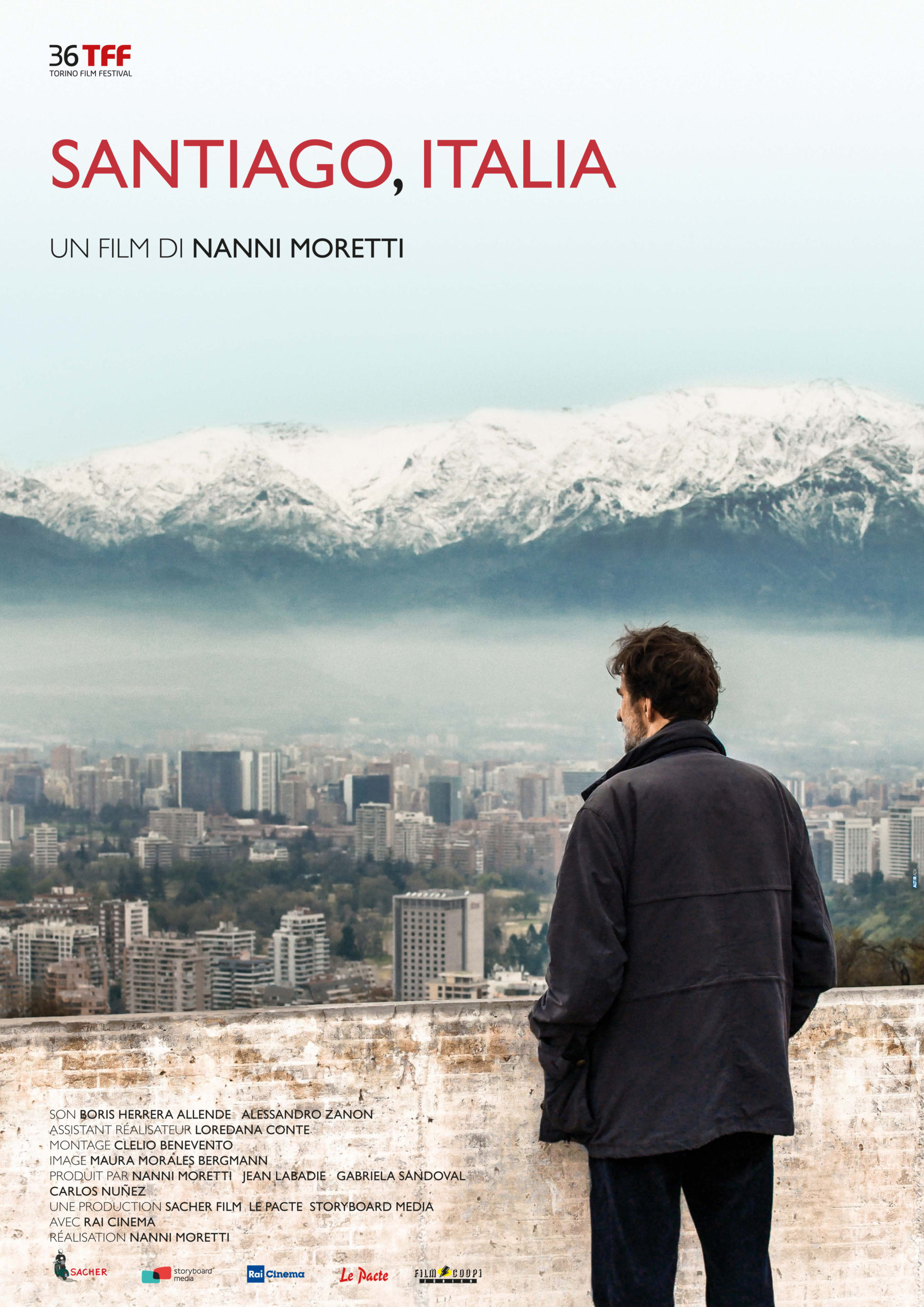
«Santiago, Italia»
Cinema Wednesdays - Loris S. Musumeci
«I'm certain that my sacrifice will not have been in vain.»
On September 11, 1973, the Chilean military seized power in a coup d'état. Socialist President Allende's policies were not to their liking. It was dangerous. Too social. Too ideological. Populist. The country is on the brink of collapse, because it is divided. Without being Manichean, we must realize that on one side there are the people, workers and peasants, Marxists and Catholics, on the other there is the upper bourgeoisie, right-wing. They owned the factories and the privileges. Allende's policy froze the prices of products essential to the people, which didn't sit well with the big bosses, who could no longer raise prices to suit their own self-interested calculations.
Then it's chaos. Because while the media is now predominantly left-wing, it was clearly right-wing in the Chile of the 1970s. They were on the side of financial power. Like the industries, which stopped producing in protest. And the ruling bodies opposed Allende. Blackmail. Sabotage. The military took power. From democracy to dictatorship. Arrests. Torture. They kill, with impunity. Allende was the first victim: to avoid civil war by turning the people against the army, he agreed to be killed in a bombed presidential palace. A symbol was lost.
«I'm not impartial.»
The reality could be more nuanced. Up to a point. It has to be said that President Allende was much appreciated, and that his policies had a rapid and effective impact on the most disadvantaged. It also has to be said that the Catholic Church was behind him, even though it's not known for being communism's best friend. The Chilean left wanted to be humanist and democratic. And up to a certain point, it was able to live up to this claim.
And nuanced reality or not, it must be acknowledged that the army, acting supposedly in the service of the fatherland, tortured men by electrocuting their testicles; women by electrocuting their vaginas. We've known people to be nicer to their fellow citizens. In any case, Nanni Moretti's documentary is impartial; he says so himself. So let's follow him, and get caught up in his revolutionary zeal.
The film does have its flaws, however, and one in particular: its lack of vigor. More archival footage, more passion, would not have been too much to take the viewer by storm. But that doesn't mean there's no emotion. When one of the witnesses in front of the camera evokes the memory of Archbishop Henrìquez, he cries. An atheist and communist, he is moved by what the man of the cloth did for him, for his people. Or a worker who struggles to hold back his tears when he remembers Allende, who gave every child a glass of milk a day, provided by the nation.
«The country was in love with Allende and what was happening.»
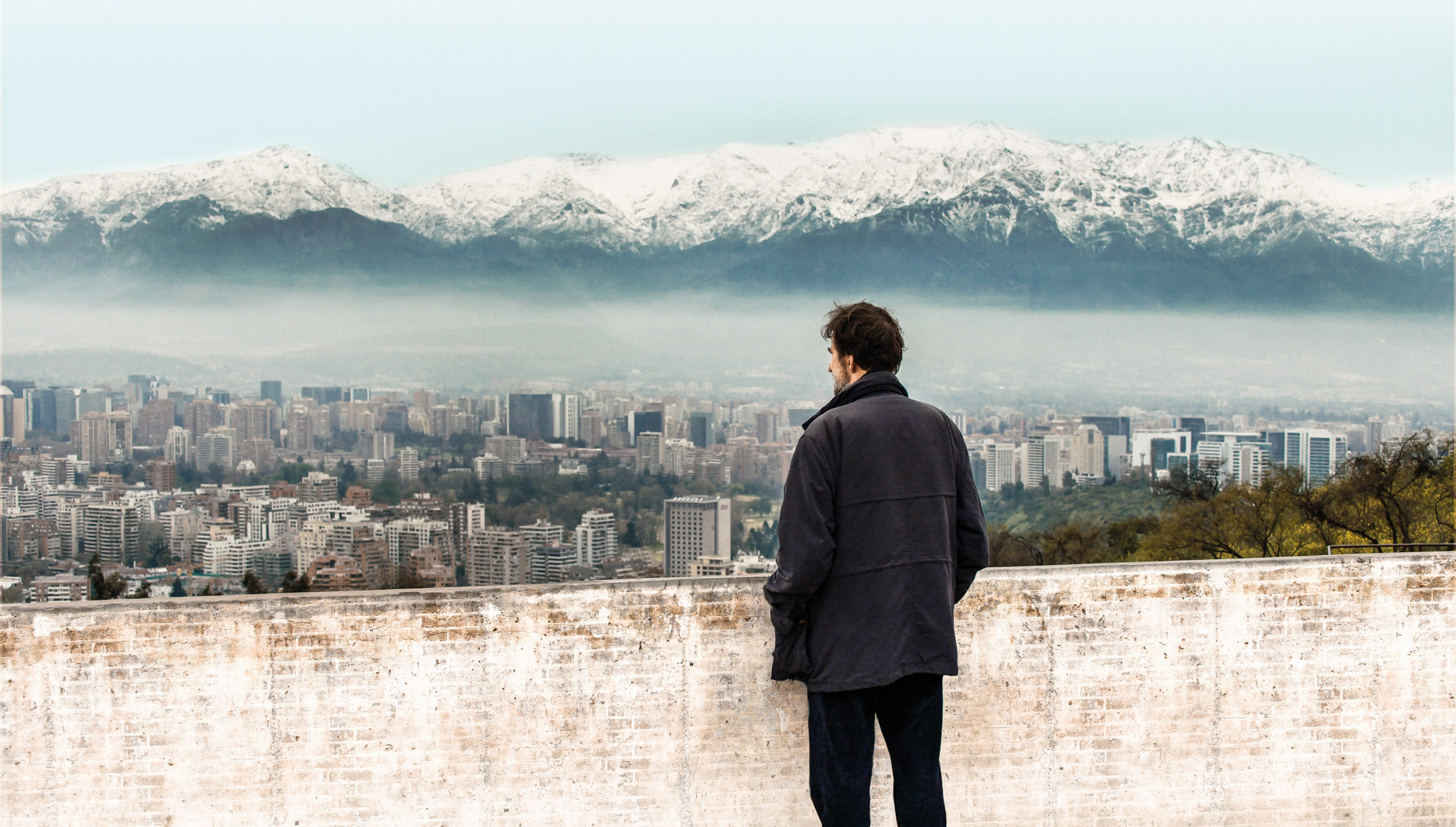
Another regrettable point is that we don't make enough use of Santiago's landscapes. And that of not offering the beauty of the image to accompany the beauty of the subject. It's a pity, because the opening shot of the film gives us hope of a well-worked and artistic photograph. We see Nanni Moretti looking down on Santiago from a balcony, then bring the camera up to a bird's-eye view of the city. But that's about as far as it goes. What's more, the few images of current demonstrations in Chile are, in my opinion, completely unnecessary.
The Italian director is still criticized for failing to establish a link between the Pinochet dictatorship and the current so-called neo-fascist regime in Italy. This criticism is unfounded. Nanni Moretti may have no sympathy for Interior Minister Salvini and his La Lega party, but he's not as stupid as some to compare him to Pinochet. And even if the comparison were valid, would it have been decent to compare today's Italy to post-73 Chile?
And yet, the last word of one of the film's witnesses speaks out against what Italy has become. Discreet criticism has its place. Nostalgia for the Italy of yesterday. Nostalgia for a simple, benevolent, supportive and generous people. A people of honest workers. Who, spoiled by a slightly more comfortable life, have become a bastion of individualism, imbecility and dishonesty. Rest assured, as an Italian, I'm not including all Italians in my criticism; the smallest have remained as authentic as the Italians of yesterday. But many have changed. The mentality has changed. The Italy of my grandparents is dying.
I hope it comes back to life! May she once again become the Italy that was one of the few to open its embassy doors to welcome persecuted Chileans. And then to offer them a future in the boot. Most of the refugees stayed. We were harsh with them, but we offered them work and dignity. Even today, they are grateful to the Italian nation and its people. Nanni Moretti talks about all this in his film. With his usual lightness. With his piquant, often accurate point of view. With an openness that allows him to look at the human condition from yesterday's Santiago to today's Italy.
«The left, united, will never be defeated.»
Write to the author: [email protected]
Photo credit: © Filmcoopi
| SANTIAGO, ITALY |
|---|
| ITALY, 2018 |
| Production: Nanni Moretti |
| Screenplay: Nanni Moretti |
| Interpretation: - |
| Production: Sacher Films, Le Pacte, Storyboard Media, Rai Cinema |
| Distribution: Filmcoopi |
| Duration: 1h20 |
| Output: May 1, 2019 |
You'll also like




 French
  German
  English
Leave a comment