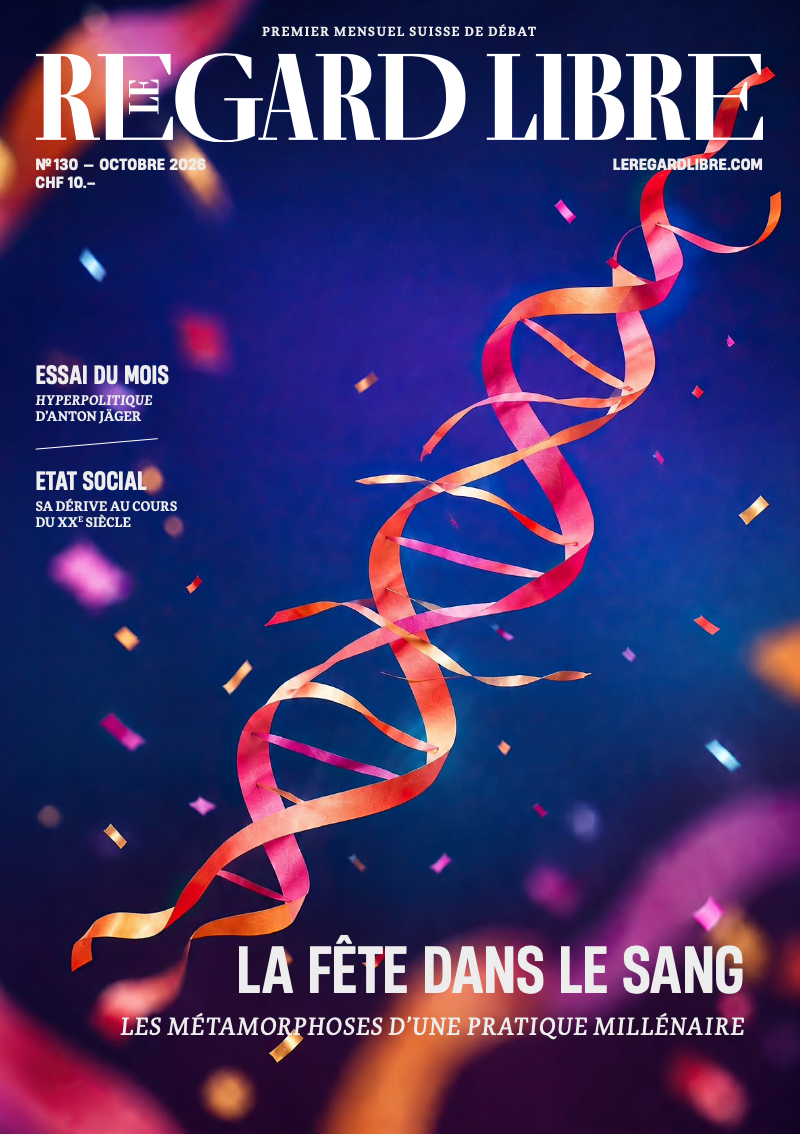




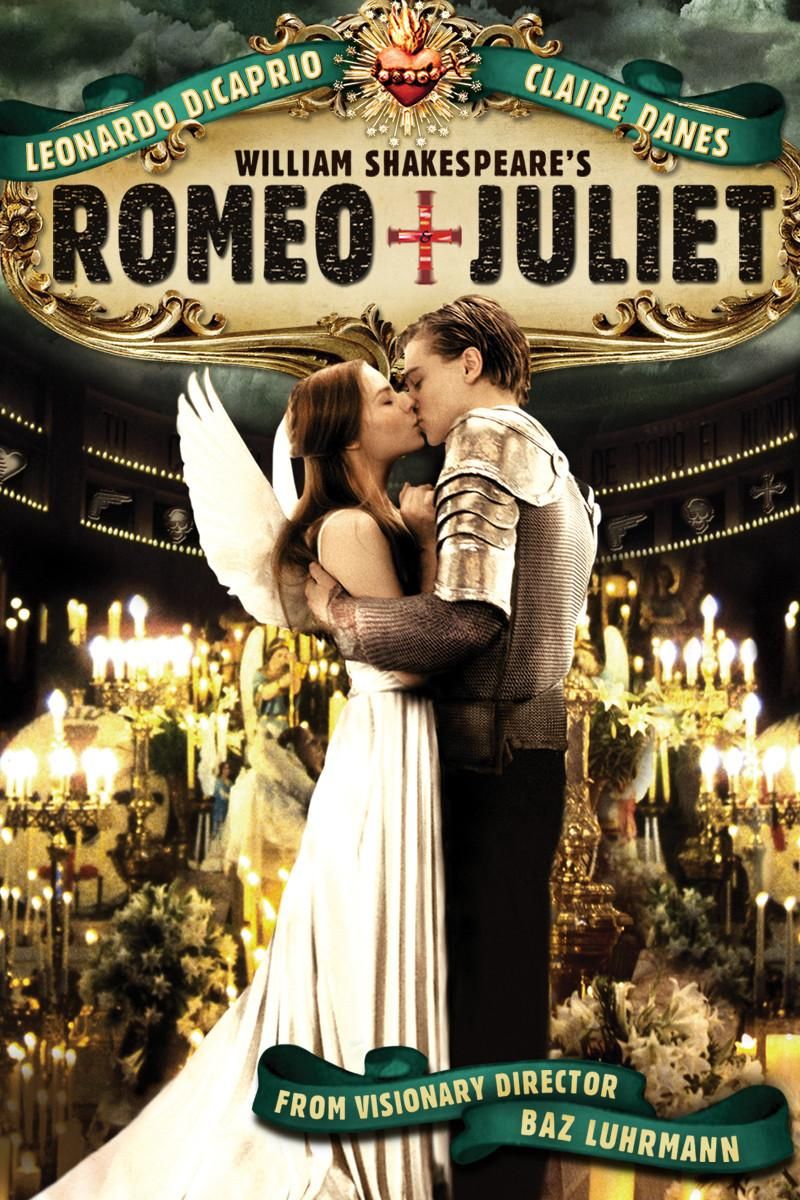
You must see «Romeo + Juliet» again, because no adaptation has ever been more transcendent than Baz Lurhmann's.

Cinema Wednesdays - Special edition: Leonardo DiCaprio - Kelly Lambiel
In a nutshell: it's the most beautiful love story of all time, told by one of the greatest playwrights of all times and countries, brought to life by a director who has achieved a stroke of genius, and carried by the incomparable beauty and talent of Leonardo DiCaprio. Attention, masterpiece.
A hazardous discovery
I must have been eight or nine years old when, on vacation by the sea, I would walk past the living room to pack my things. Drawn by the colors and a language that seemed both strangely familiar and unfamiliar, I stopped in front of the TV. I still couldn't read fast enough to understand all the words, and although I was used to hearing English on TV when I was abroad, it wasn't much help this time. So I decided to just watch the pictures. No beach for me that afternoon.
I didn't know Shakespeare. I didn't know who Romeo and Juliet were. Only much later would I be able to identify Baz Luhrmann's touch. I probably didn't understand everything - maybe not even much - and I don't even know at what point in the film I stopped on the doorstep. And yet, through my childish eyes, far from any artistic considerations and despite the literary shortcomings inherent to my age, I felt I was looking at something beautiful.
I distinctly remember two particularly intense scenes, the very ones that would enable me years later to recall the existence of this then-forgotten film. Mercutio's death; his gaze. Tybalt's death; Romeo's eyes. My Proust madeleines. So I saw it again. And this second, more intelligible viewing only confirmed my first impression. It must be said that I was in the throes of puberty at the time - boiling hormones, all that - and that I'd fallen in love with DiCaprio in the meantime, of course.
Later, I discovered another kind of love, that of art. Cinema, literature, theater, painting. The little knowledge I've acquired in these fields over the years has taught me to sharpen my eye, tame my feelings, refine my analysis, look beyond the work and explain my love at first sight. Romeo + Juliet would it survive this censorious gaze? The more I look at it, the more I think it even transcends it, giving the intuitive, naive approach, too often parasitized by the intellect, its letters of nobility.
A creation in its own right
Shakespeare is often described as resolutely «modern», and some would argue that it doesn't take much to bring his plays up to date. This is to forget that if his work does indeed transcend the geographical, temporal and societal frameworks in which it is set, it is not only because it is avant-garde, but above all because it is timeless. For me, Baz Luhrmann has skilfully taken this raw material and sublimated it, not just adapted it. While retaining the essence of the original creation and paying homage to it, he has made it his own.
The strong choices he makes, such as keeping the text intact even though the plot this time takes place in Verona Beach, in a Los Angeles of the Nineties that is more symbolic than truly identifiable, create a disconcerting shift that enhances Shakespeare's pen and his words. This ethereal language coming out of the mouths of hoodlums, initially surprising, ends up ringing in our ears like music both near and far, which we grasp without fully understanding.
The violence, exacerbated by the strong tension that sustains the plot from start to finish, is constantly set against the images of the Virgin Mary and Christ at a frenetic pace. This contrast, combined with the camerawork, the characters' eccentric, colorful clothing and the sometimes implausible nature of certain scenes and caricatured reactions, lends the film a rather "unconventional" dimension. kitsch. Shakespeare, the most baroque and rock'n'roll of «classic» authors, would, I think, have appreciated this eccentricity, even if many detractors point the finger at it.
For me, it's an effective way of highlighting other passages, pure moments of grace. The emotion is so right on the mark that you'd think the actors were aware that «the whole world is a stage», stepping out of the role they're playing to be real, for a moment. If Juliet (Claire Danes) is a bit of an underdog, Romeo (Leonardo DiCaprio) is not. A rising star in Hollywood, he has nothing left to prove, but here he already demonstrates a rare accuracy and a deep, moving intensity.
In my love for Romeo + Juliet, So there's everything I can explain and everything I can't explain. Everything I've analyzed afterwards and everything I felt first. Being able to appreciate without understanding, and not having that admiration tarnished by intellect, is what for me makes the difference and the quality of this film, and what makes any work of art immortal in my eyes.
Write to the author: [email protected]
Photo credit: © Twentieth Century Fox
You'll also like


 French
  German
  English
Leave a comment