



«Mâchoires», gore in the mangrove swamp
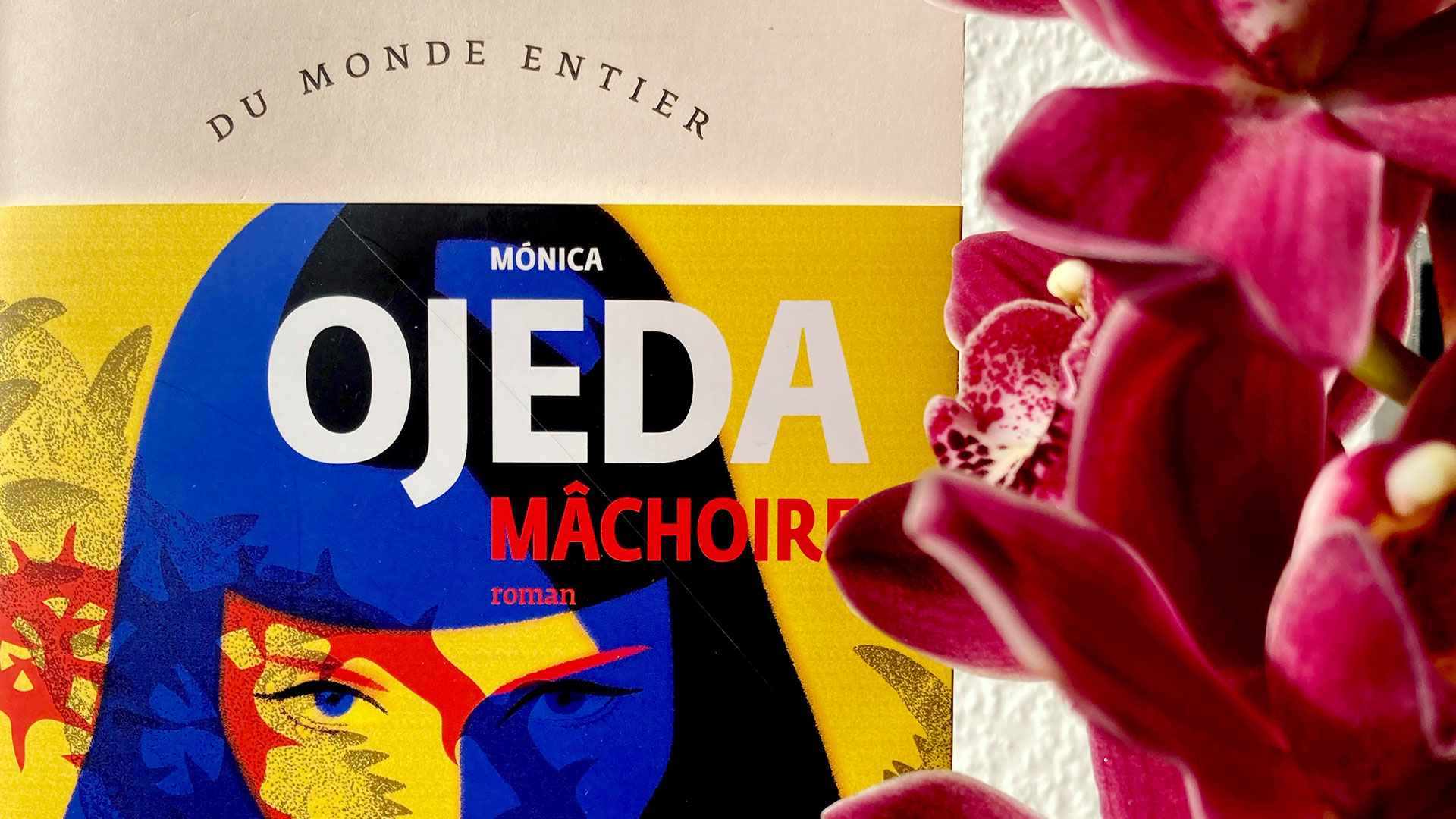
jaws
What could have happened to make a young high-school girl wake up in a cabin lost in the middle of the Ecuadorian forest, tied to a chair? Was it sadism? Out of pure revenge? And why is her teacher standing in the distance, silent but calm? With her new opus, Jaws, Monica Ojeda draws us into a highly literary psychological thriller, bordering on the frightening.
After dropping the initial plot twist like a bomb, the novel rewinds the tape and introduces the reader to a group of friends, all from Ecuador’s Catholic high society: Annelise, Fiorella, Natalia, Ximena, and of course Fernanda, the bound protagonist. If their friendship seems so strong, it wasn’t high school that forged it—it was their shared fascination with death. So when they discover an abandoned building under construction in the middle of the mangrove swamp, the decision is made: it will be their headquarters, the sanctuary for their secrets, the playground for their sinister games…
It is in this gloomy setting—which threatens to collapse at any moment—in the heart of a natural world of unsettling lushness and teeming with hundreds of animals, that they invent stories and challenges to scare themselves. To give their imagination more substance and legitimacy, they organize celebrations centered on their own God, the White God. But very quickly, the mere thrill of terror is no longer enough for them; they must mix it with the thrill of risk. And so, as their ideas evolve, these rituals turn into dangerous acts.
«She had never been able to explain how she felt when she experienced the palpitations, the sweats, the tingling in her arms, and the tremors. She had never been able to tell her mother—lying on her deathbed in a hospital, her spine twisted like a boa—that being afraid of dying was far worse than simply dying.»
To experience horror rather than describe it
Drawing on cinematic and literary references (Lovecraft, King, Kubrick), Jaws is not a horror thriller: it’s a novel that makes the reader feel the terror. Through powerful, conversational prose, the author enters the girls’ minds and delves into their deepest fears, which are ingrained in their very flesh. But through these creepypastas, ...these frightening and mysterious legends that spread across the Internet and go viral—it’s the entire genre of horror storytelling that is revisited and dissected. Monica Ojeda masterfully helps us understand the fascination that terror can hold—whether through movies or novels—even for readers who aren’t particularly fond of this type of media.
If, like the author of this piece, you don't really understand what drives people to sit down and watch a horror movie or immerse themselves in a novel gore, so Monica Ojeda offers some suggestions:
«When you’re afraid, you feel very alive and very fragile, as if you were made of crystal and could shatter at any moment. It can be awful, yes, but it awakens you and fills you with an immense emotion.»
When Sisterhood Turns Toxic
The author of Jaws However, it does not merely stop at making us witness the dizzying heights of terror; the oppressive scenes serve as a means to explore the unstable terrain of adolescence, marked by mistrust, beliefs, and above all, a great deal of wandering and trial and error. This realm of extremes, where one day your best friend becomes your worst enemy. Monica Ojeda skillfully delves into the intimacy of this girls' band to explore the power dynamics that take shape, the influence of the group, and the pernicious nature of this social pressure. All of this is done without delving into lengthy theories about the plot or interrupting the narrative to comment on it, but rather by unfolding the events and letting them sink in with the reader.
This text, with its heavily charged atmosphere, creates a sense of strangeness reminiscent of Gothic novels. Just as this ambiguity increasingly takes hold of the reader, it also fosters a sense of unease that erodes the relationships between the characters; everything seems predetermined from the start, but then everything drifts off course and shatters. The more extreme the challenges become, the more the girls bicker, until these arguments create rifts. For the line between friendship and toxicity can sometimes be very thin.
Monica Ojeda has succeeded in writing a book that is both poetic and brutal—a book of atmosphere rather than description, a book about the fascination with horror that she experiences from the inside. It is undoubtedly a successful novel. However, while I have no trouble acknowledging these qualities, I can’t say it was a revelation for me. It unsettled me, made me question things, all while occasionally leaving me behind. After all, what could be more natural for a novel of ambivalence than to leave the reader in a state of unease! One thing, however, is much clearer: Jaws is a novel that, with the new school year just beginning, might give teachers some ideas—such as confining and tying up disruptive students.
«A panic attack is like drowning in the open air.»
Write to the author: [email protected]
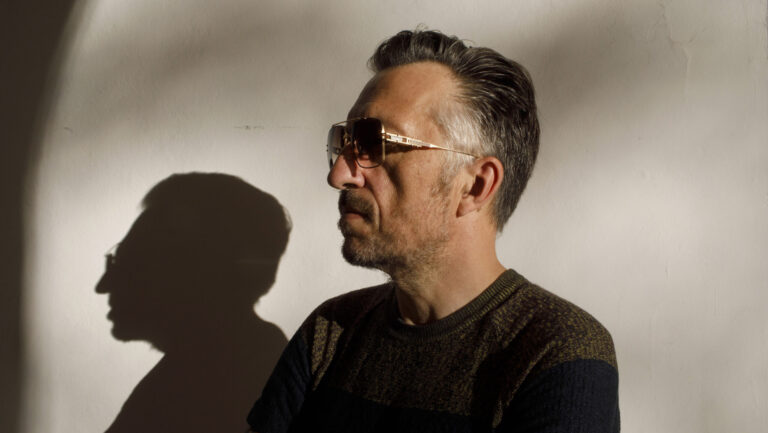
Photo credit: © Quentin Perissinotto for Le Regard Libre
You've just read an open-access article. Debates, analysis, cultural news: subscribe to support us and get access to all our content!
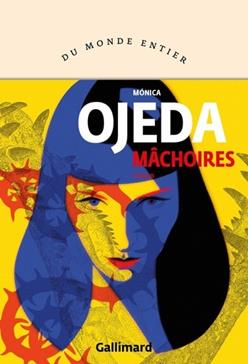
Mónica Ojeda
Jaws
Translated by Alba-Marina Escalon
Editions Gallimard
2022
320 pages

You'll also like



 French
  German
  English
Leave a comment