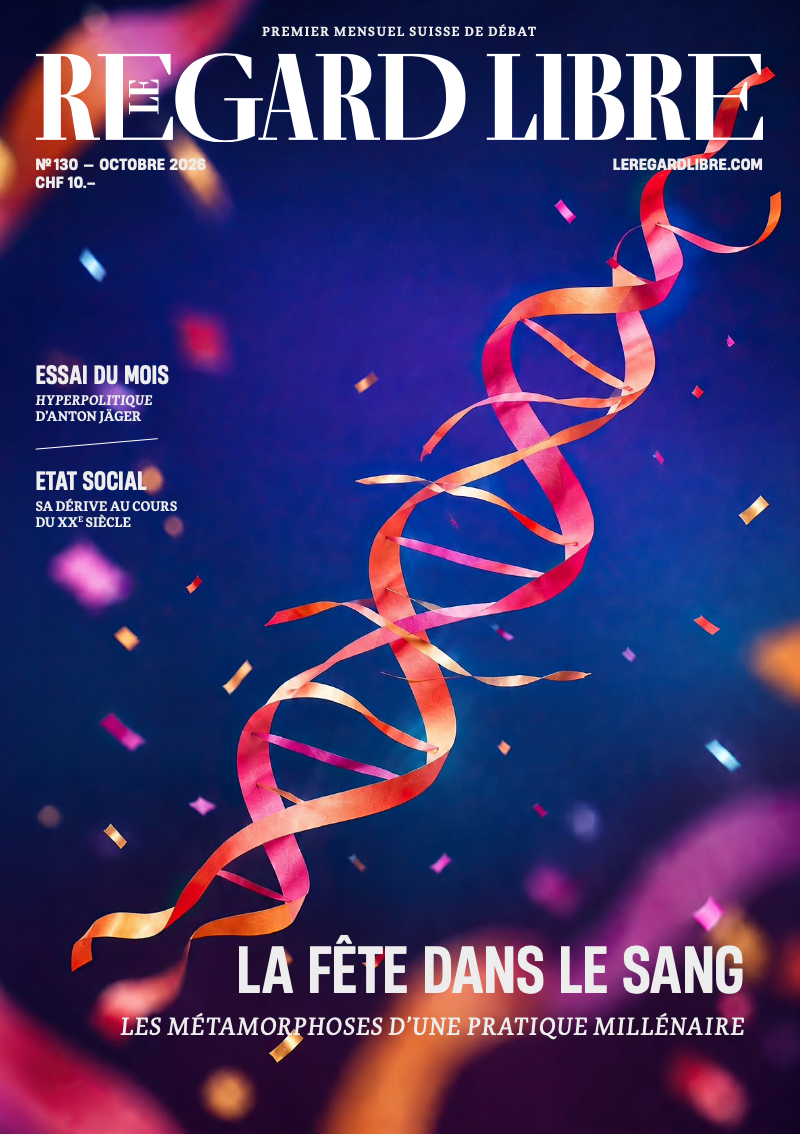




Starting this month, a new novel in Le Regard Libre
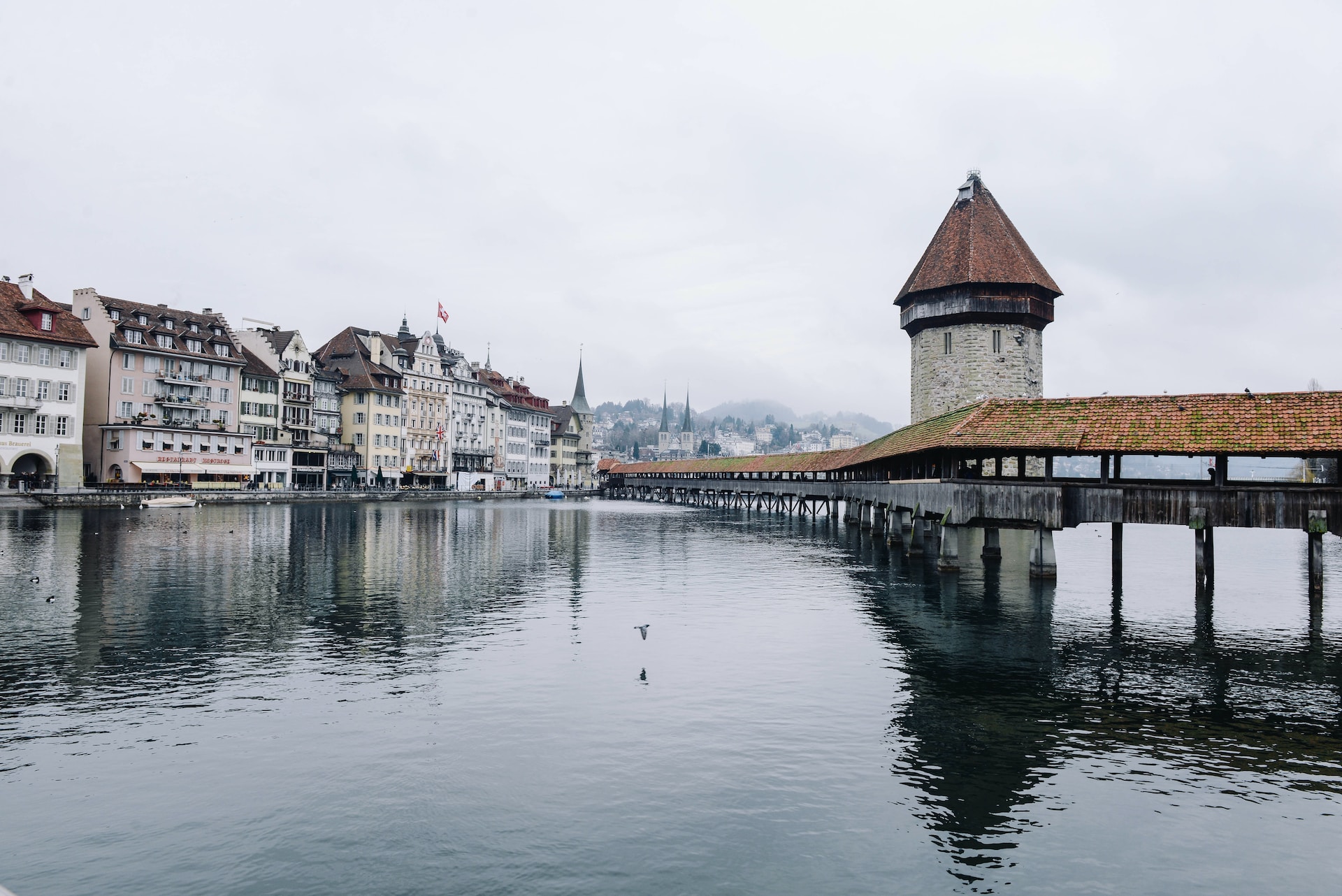
Lucerne, the city where the plot of André Durussel’s unpublished novel *La nuit du Gütsch* takes place, which will be published in the 2024 edition of *Le Regard Libre*. © Unsplash
New year, new projects. After my first novel The return While the book by young Swiss author Elliot Mazzella is set to be published by Editions de l’Aire sometime this year, starting this month, these pages will feature the latest work by writer André Durussel.
The author of the unpublished novel Gütsch night, which will be published as a serial in the 2024 issues of the Regard Libre, was born in 1938. He was an avid reader of Simone Weil (1909–1943) while he himself was working in a factory in Lucerne, in the heart of Central Switzerland, a city known primarily for its tourist attractions. Intellectually and spiritually, he can also be placed in the same tradition as Jean-Marie Domenach (1922–1977), within this school of thought personalist which is hardly ever mentioned these days. In February 1966, still in Lucerne, he discovered, for example, the philosopher Henri Bergson (1859–1941) through his essay on the relationship between body and mind.
More of a poet than a true novelist, and a reader of the works of the Lucerne theologian Hans-Urs von Balthazar (1905–1988)—though a member of the Reformed Church himself—André Durussel thus draws us into the adventures of his hero, set in a time not so long ago. A life cut short by a fire at a water and gas meter factory in Lucerne in 1960—a tragedy that actually took place.
The overarching theme of this adventure is, in fact, that of the gaze. First and foremost, the unhindered gaze of this «Beloved» who discovers not only the places but also their history. But also the gaze of his friend Bartimaeus (the blind man who is said to have regained his sight long ago on the outskirts of Jericho), and then that of Saint Odile, whose statue stands in Buttisholz. And finally, as a sort of crowning moment, the gaze of a young Austrian woman named Santa when, together with Aimé, «their eyes met,» as Jean Rousset (1910–2002) so beautifully put it.
Write to us: [email protected]

You'll also like


 French
  German
  English
Leave a comment