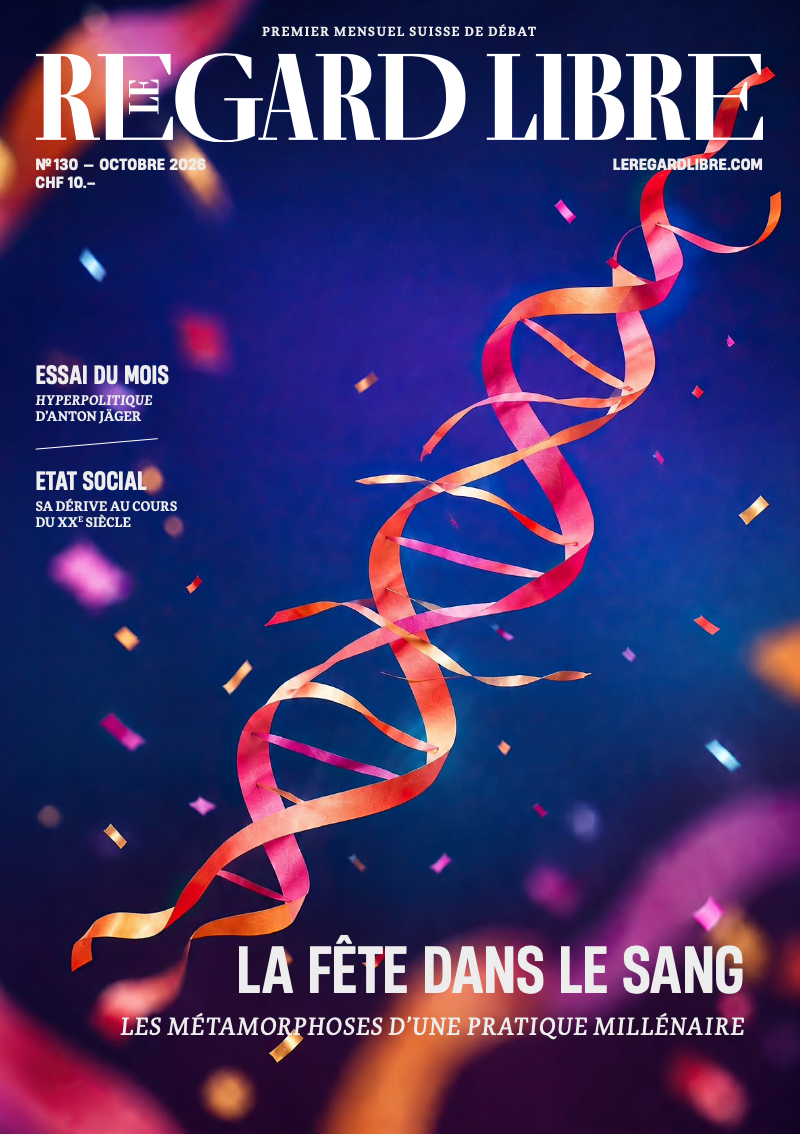




Neige Sinno received with honors in Lausanne
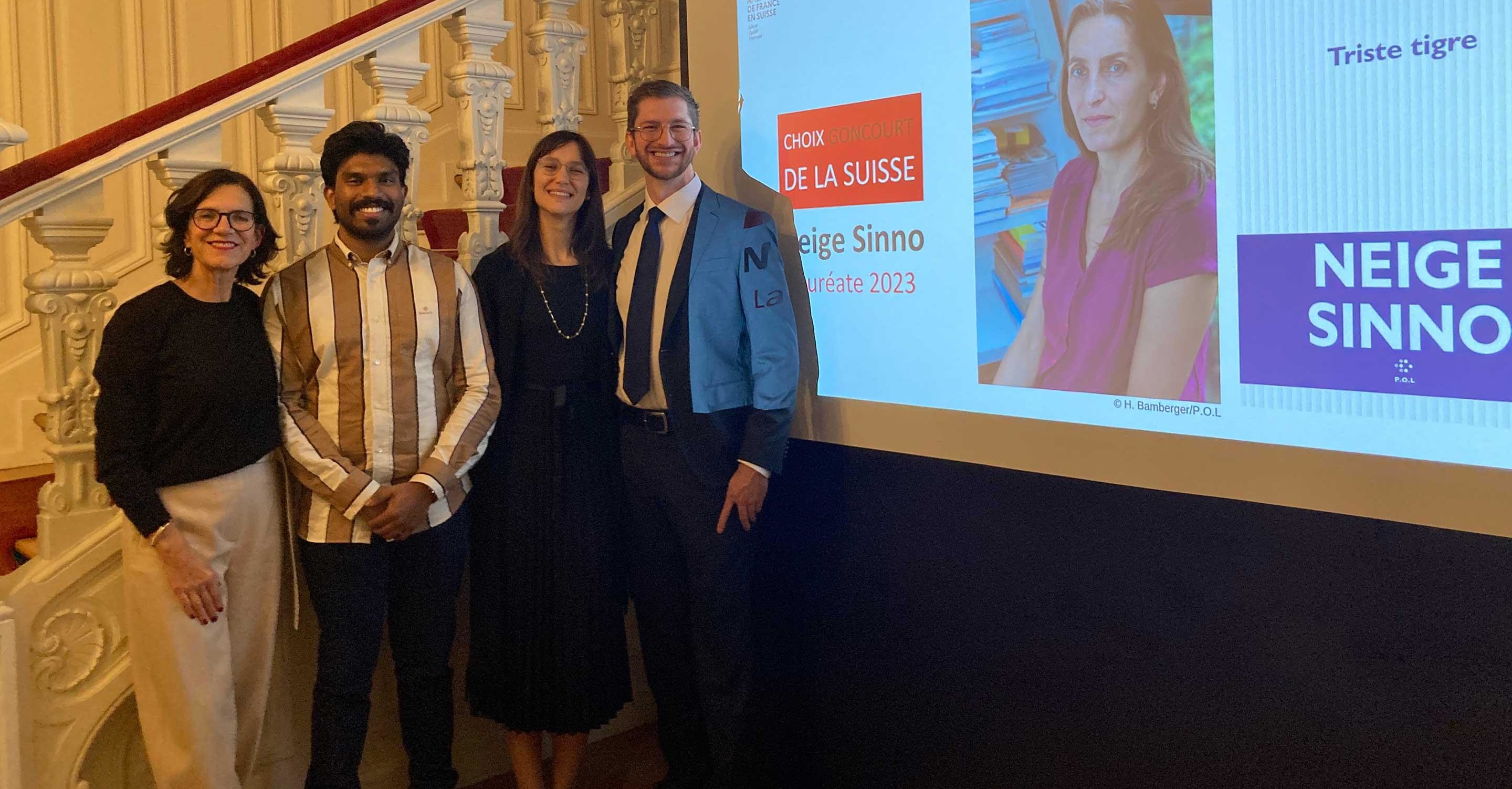
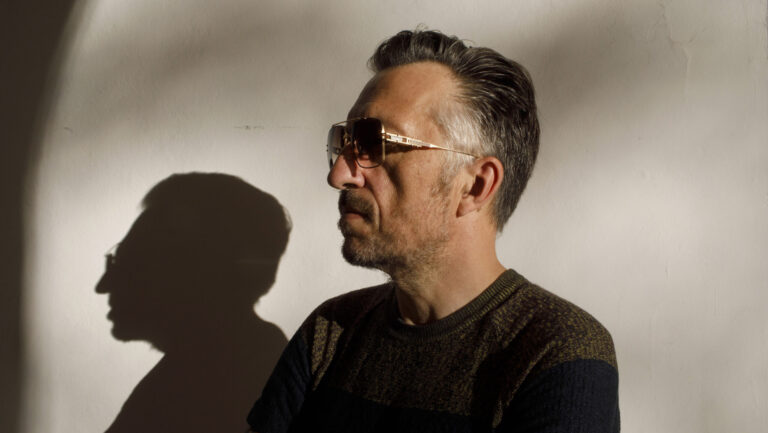
Neige Sinno at the award ceremony at the French Embassy in Berne in November 2023 © University of Italian Switzerland
The French writer, already the winner of numerous literary prizes, has added a new one to her collection: Switzerland's Goncourt choice, which was presented to her in May at the Palais de Rumine.
A packed house welcomed Neige Sinno to Lausanne. Nearly 200 people had made the trip, at the invitation of the French Embassy in Switzerland, to see the writer receive Switzerland's Goncourt choice for Sad Tiger, a deeply moving book in which she recounts the repeated sexual abuse she suffered as a child at the hands of her stepfather.
Published in August 2023 by Editions P.O.L., the book has since garnered an incredible number of awards, including the Prix Femina and the Goncourt des lycéens. The novel, soon to be translated into 26 languages, has also been honored by Goncourt readers in 18 countries, including Turkey, the United States, Canada and South Korea.
In Switzerland, around a hundred students from nine universities and colleges have chosen to take part. Sad Tiger. And the winner very quickly stood out among the finalists because of his undeniable literary qualities, explained the jury in Lausanne, who also underlined the merits of Neige Sinno's writing, which deeply touched and marked the readers taking part in this selection.
A fleeting success to enjoy
Faced with this shower of compliments, the Frenchwoman now living in Mexico doesn't seem blasé. Dressed simply in jeans and a black turtleneck sweater, she admits that the success of her novel remains a celebration, even if it still has an unreal feel to it. It's like a «kind of dream», she admits almost shyly. «I'm just trying to feel this joy, because it won't last long,» jokes Neige Sinno, who, far from taking the credit, believes that this is above all a celebration of reading in general.
For the author is also an avid reader. Vladimir Nabokov, Christine Angot, Toni Morrison: in her work, she calls on a number of writers who have also addressed the issue of child sexual abuse. She likens this approach to the work of pollinating bees. «We pick up pollen here and there. As you pollinate, each person transforms the material in their own way, and it no longer resembles the original book. But I think it's beautiful,» notes Neige Sinno.
If the main themes of the discussion remain rape and incest - and the debates often return to them - the atmosphere in the Palais de Rumine is not heavy and ponderous. There are even bursts of laughter, when Neige Sinno admits that she would have liked to give even more free rein to her biting sense of humor in her work. Victims of sexual abuse aren't «stuck in seriousness and solemnity all the time», she jokes. But there are also moments of great emotion, when members of the audience, with tears in their eyes, thank the writer for speaking out on such a difficult subject.
Thirty years of reflection
Questioned by the audience, the author admits from the outset that she didn't want to write an autobiographical story. She didn't want to tell the story of her life. «I would have preferred to exist in literature with another text and another subject», she admits, stressing that the dizzying success of her book leaves her with a bitter aftertaste. «It's a further paradox that it's precisely this text that's resonating, even though I didn't want to write it,» notes Neige Sinno, who still wants to work on this reaction in the future, when things have calmed down.
What's striking about her is that every word sounds weighed and reflected, the result of three decades of thinking and analyzing what happened to her over such a long period of time as a child. Questions that never ended, even after her stepfather's conviction.
She admits that Sad Tiger is the synthesis of an «obsession with thinking about the same story from many different angles», even though she believes that no single approach provides a satisfactory answer to the question of child sexual abuse.
Neige Sinno doesn't see herself in the role of judge and jury; on the contrary, she claims to be an observer. «I have no decision to make, no opinion to give, no solution to produce. (...) Asking questions is enough. Trying to ask better questions means ensuring that these questions are better heard», she believes. It's a stance whose clarity and humility seem to have won over the audience in French-speaking Switzerland. At the end of a two-hour meeting, the audience gave the French writer a standing ovation. And he went home with his head full of even more questions.
Write to the author: [email protected]
You've just read an open-access review. Debates, analyses, cultural news: subscribe to support us and get access to all our content!
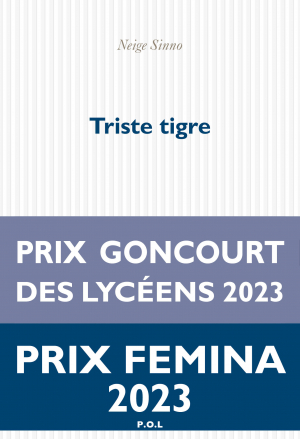
Neige Sinno
Sad tiger
Editions P.O.L.
August 2023
283 pages
You'll also like




 French
  German
  English
Leave a comment