



The missing of Tsanfleuron become novel heroes

July 14, 2017: The Tsanfleuron Glacier, above Savièse in Valais, reveals the bodies of a couple who had been missing for 75 years. © Inés Álvarez Fdez
In his latest novel, French author Alexandre Duyck uses a Swiss news item to weave a universal tale of family and grief.
July 14, 2017: The Tsanfleuron Glacier, above Savièse in Valais, yielded the bodies of a couple who had been missing for 75 years. Marcelin and Francine Dumoulin had not been heard from since August 15, 1942, when they left the village to go to a mountain pasture in Bern to feed their livestock. Their mummified remains were discovered by an employee of the Glacier 3000 ski lift company. All of their personal belongings—clothes, jewelry, and luggage—were intact, as if frozen in time.
From Short Story to Novel
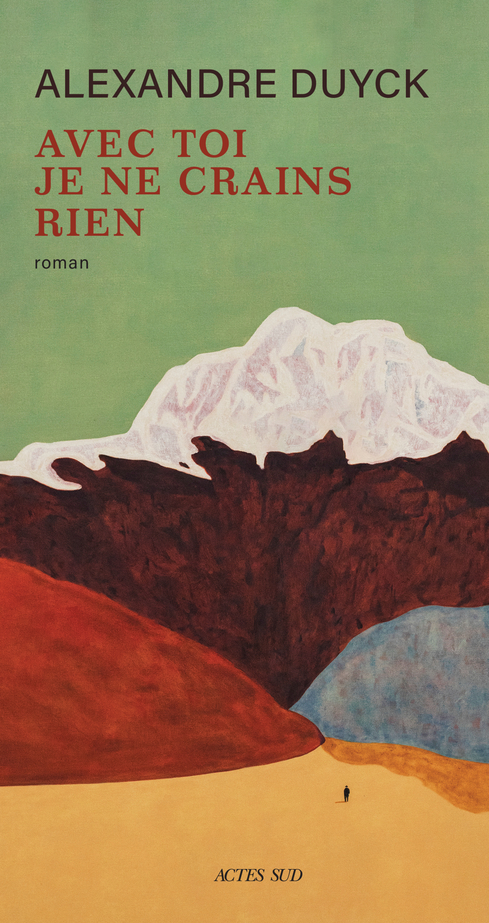
French author Alexandre Duyck draws on this news story in his latest novel With you, I'm not afraid of anything, published in April by Actes Sud. This isn’t the writer’s first foray into the world of mountaineering and its tragedies; he grew up in Annecy. A few years ago, he took a particular interest in the story of Himalayan mountaineer Chantal Mauduit, who died in an avalanche in Nepal (She was climbing up into the clouds).
But this time, he decided not to write a biography. With you, I'm not afraid of anything emphasizes its fictional nature. He is also a journalist, writing for the daily newspaper, among others, Le Monde, Alexandre Duyck stayed true to himself: he did his research to learn as much as possible about the Dumoulins. However, he fills in the gaps in the dialogue and events with scenes of his own invention.
He does so with great kindness and a clear desire to respect this family’s story. The result is an extremely moving book. Alexandre Duyck portrays with great sensitivity and accuracy the strengths and weaknesses of these characters, whose lives and habits are, yet, so far removed from our own. We grow attached to this family, whose days are so undeniably numbered, and we even find ourselves hoping that the Dumoulins might, against all odds, pull through. For unfortunately, there is no suspense regarding the plot’s outcome. But with every step Marcelin and Francine take toward the summit on that fateful day, August 15, 1942—as clouds gather in the distance and the storm approaches—we feel the urge to shout at them to turn back.
Another appealing aspect of this book is that it doesn’t end with the disappearance of the Dumoulin parents. In fact, that’s only the beginning of the story for their children. What follows is, sadly, all too common for that era: the children are separated, and some will be mistreated by their foster families. None of them will ever truly recover from this tragedy. This is where Alexandre Duyck’s true merit lies: in giving a voice to the indirect victims of these events and telling the story of what happens after the final credits roll.
Write to the author: sandrine.rovere@leregardlibre.com
You have just read a review published in our print edition (Le Regard Libre N°107).
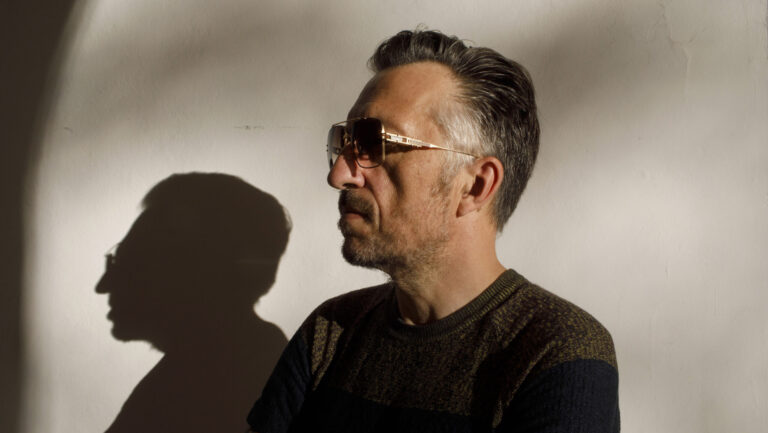
Alexandre Duyck
With you, I'm not afraid of anything
Actes Sud
April 2024
196 pages
You'll also like



 French
  German
  English
Leave a comment