




The saga of Icelandic literature
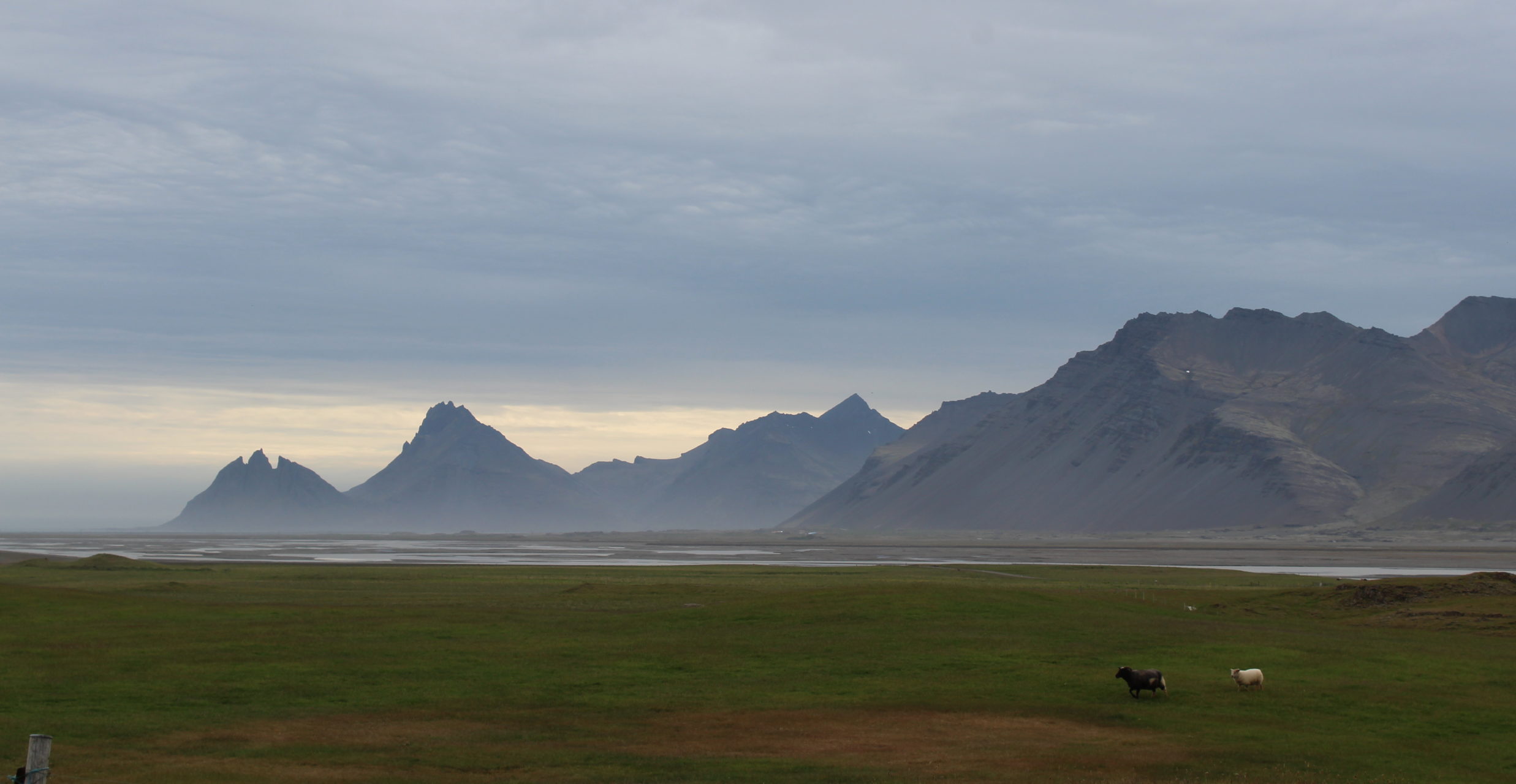
Photo: Laura Fournier
The land of ice and fire: that's how we describe this country on the edge of Europe, long relegated to the unenviable position of an inhospitable land on the edge of the world. Over the past few years, Instagram has seen countless photographs of Iceland's natural wonders: its waterfalls, glaciers, black sand beaches and volcanoes, but also its uninhabited moorland, sometimes verdant, sometimes barren and desolate. Yet this romantic definition of a country where the opposing elements engage in an endless struggle to create an original nature cannot really capture what makes Iceland a true jewel of European culture. European, yes, because despite a certain proximity to the North American continent, this country has never ceased to be, through all its roots, a land of old Europe.
Let’s begin with some tributes. As French-speaking readers, we owe much of what we are able to read—the very best this country has to offer—to Régis Boyer. A professor of Scandinavian languages and civilizations at the Sorbonne for many years, Régis Boyer was also a prolific translator of Nordic literature, particularly Icelandic. Throughout his career, he was particularly committed to demystifying the North—its mists, its barbaric Vikings, and its drakkars. He passed away in 2017 at the age of eighty-five, having succeeded in making this world a little more familiar to us and in sparking our interest in literature from all over Scandinavia, particularly Iceland.
But how can this country, with a population of barely 340,000 today, attract more attention than countries like Sweden or Denmark, which are significantly larger? On this island in the middle of the Atlantic, what can only be called a literary and intellectual miracle took place. Far away, at the end of the world and several days’ sail from Norway, a small community of barely 30,000 souls has managed to make a splendid and original contribution to Western literature. This miracle took place in the 12thth and XIVth centuries, and its gems are the sagas.
In the XXth centuryth and XXIth For centuries to come, Iceland remained a land of literature and writers. Among them was Halldór Kiljan Laxness, who won the Nobel Prize in Literature in 1955 for his book The Icelandic Bell who depicted social deprivation in his historical novels and contributed to his country’s independence as late as 1944. Independence was gradually won during the 19thth – XXth century, without violence and largely thanks to Jón Sigurdsson, who, with the stroke of a pen from his office in Copenhagen, spurred his country to reject centuries of Danish rule.
The Icelandic miracle, then, is a literary one. And if it had taken place in France, Germany, or the United Kingdom, it would have elevated the authors of the sagas to the ranks of the greatest writers. To prove my point, dear readers, I invite you to take a journey back to the age of the sagas—not to a land of fire and ice, but to a land of poetry and words.
You have just read an article from our series «Icelandic Letters,» published in our print edition (Le Regard Libre No. 55).
-
 Le Regard Libre - Nº 55CHF10.00
You'll also like





 French
  German
  English
Leave a comment