


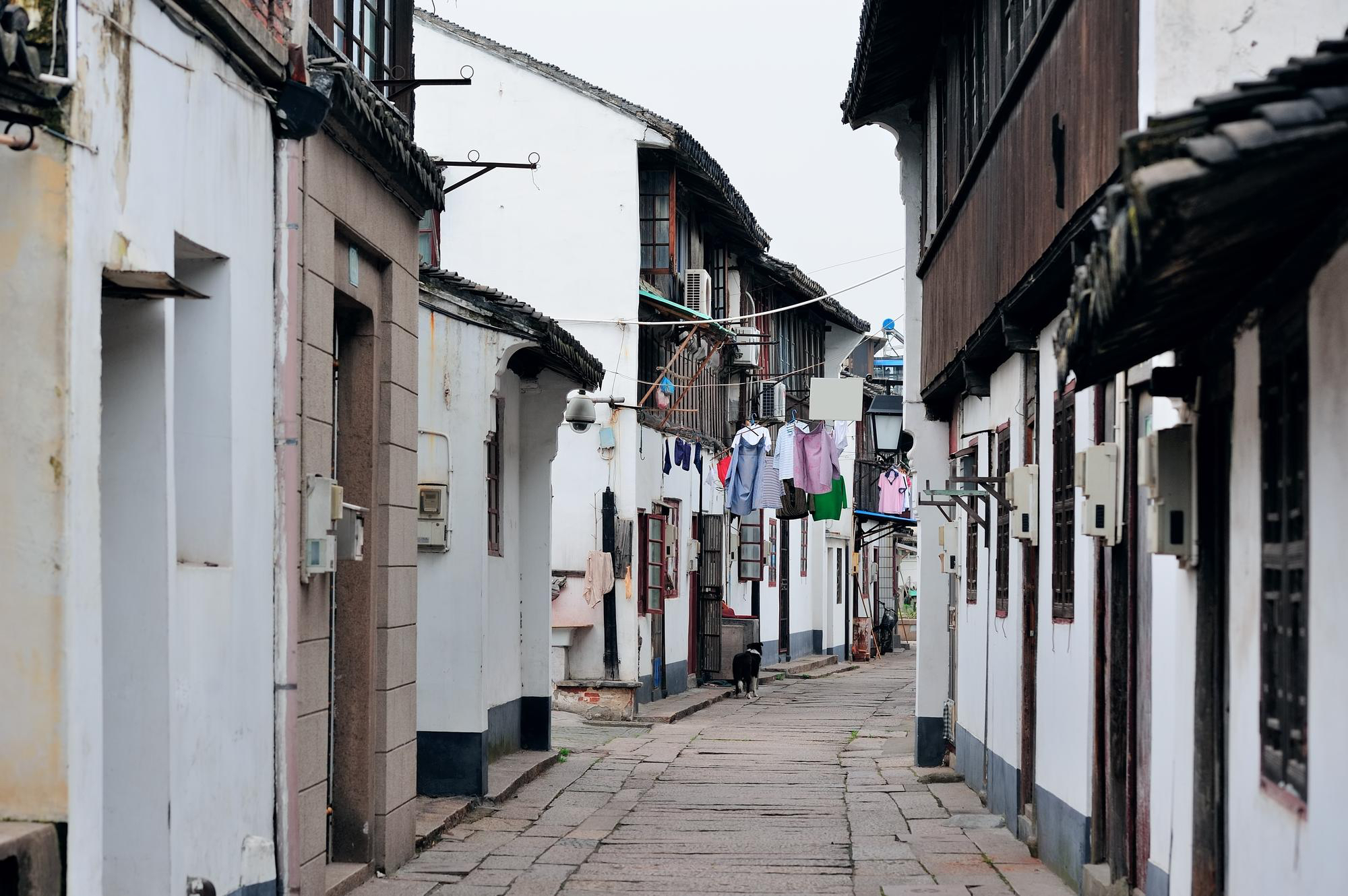
Based on their friendship, writers Alberto Nessi and Jérôme Meizoz, from Ticino and Valais respectively, translate each other's tiny village stories into their mother tongues, using a style of writing about the ordinary.
In Alberto Nessi's words, their writing is rasoterra («low to the ground»). She would come from the ground, gushing, commoner, cradled by a popular impulse. Sourdre de terre would not be her only feat. In the tradition of chanson, she would skim the country lanes, attentive to the details of the tiny lives that dwell there. In other words, it would be an ordinary writing of the days that go by, to the rhythm of the stories of small villages. Under the watchful eye of two poet-writers, it would form poems shaped by the observation of detail.
The instructions seem simple. It could be reminiscent of Pierre Michon's in Tiny lives, to talk about forgotten little people and little-known villages in France. Except here, it's poetry. So the instructions become different. The dialogue is based on the poetic friendship between Alberto Nessi and Jérôme Meizoz. One will translate the other into his mother tongue, from Italian into French and from French into Italian.
Of course, they are not translators. The character of each poem, in order to be translated, took them time and ’dense linguistic reflection«. Paraphrasing Voltaire, we could say that the recipe for this entente would be: »Courts poèmes et longue amitié, such seems to be their motto.« Not to mention the response that one translated poem can make to another. Or, since we're talking about translation, the response that one poem can make in the other. For the writer-poets, this is »not [a] collection written by four hands, but [two] sets of mirrored texts that respond to each other in terms of their subject matter.«
Two complementary scripts
On foot, by train, on a Vespa, or in the Mercedes five-liter eight, standing by the stream or bent over in the strawberry fields, it's possible to move from one painting to another, from one emotion to another. The subjects are varied. Nature and fields, but also hospitals and stores, give this collection a wide range of moods that are close to home. There's the detail of human things. The storm is also present, and whether it's a dreaded disease or an end-of-times cyclone, it exists here only through the presence of its counterweight, silence. Absolute silence.
This is how the book takes on its full meaning: in the search for a counterweight, a balance. The balance of a crossed gaze, each having translated the same number of poems, is particularly evident in the themes addressed. It seems that translating here means balancing volumes and the generous feelings they contain. For a sad trip to the clinic, there will be children's laughter in the playground. Behind any plumber unclogging clogged pipes, there will be an open valley with a free river running through it. And even the writing of Jérôme Meizoz and Alberto Nessi retains its poise. One favors the short form and rapid line breaks, while the other unrolls syllables.
You could call it complementarity. It also exists in everyday friendship, like the friendship you have for your neighbor. But to make this friendship sparkle and become, through the chance of a relationship, music and poetry, the instructions here are quite clear. It takes a journey, an encounter and a metamorphosis. You have to become the word that the other holds in your throat. Only if you succeed, will you see a spark. Perhaps even a spark close to those attractive Stories di paese/Histoires de village.
Boxes
Oh! the Coopé,
in a dream
I'm off
almost every month
Wheat bread
has always
the shape
of the sun
and cashiers
- each to his own cross
at the cemetery -
call me by my name
smile included
Les allées de vivre
make like a labyrinth
where my desires
get lost
Madam,
Can I
still
have
water ice
with this currency
old?
Write to the author: arthur.billerey@leregardlibre.com
Photo credit: © Travelscape - Freepik.com
You've just read an open-access review. Debates, analysis, cultural news: subscribe to support us and get access to all our content!
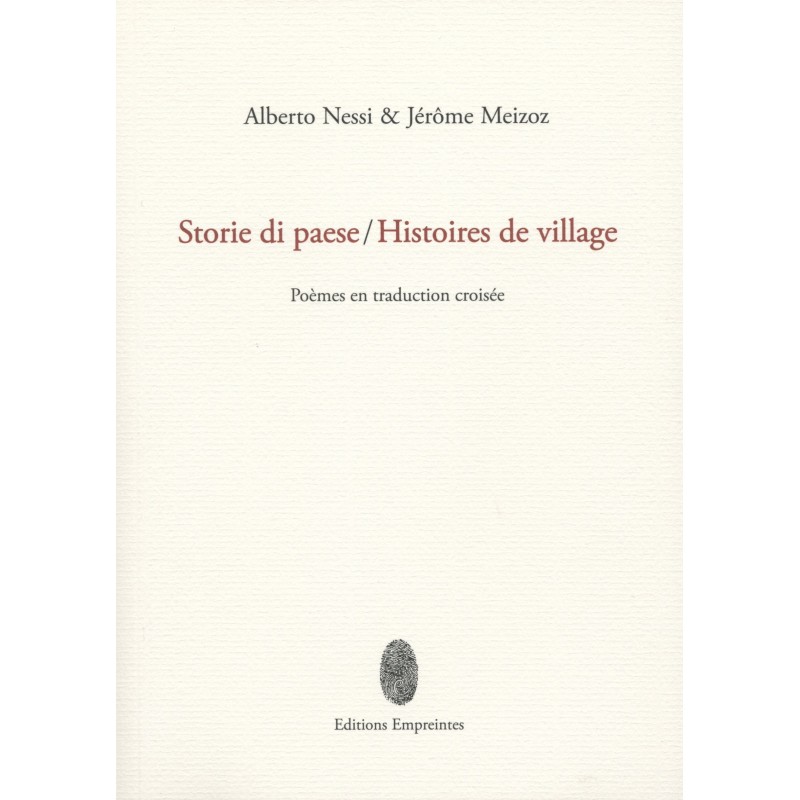
Alberto Nessi & Jérôme Meizoz
Storie di paese / Village stories
Editions Empreintes
2022
108 pages
 French
  German
  English